Classic French Toast
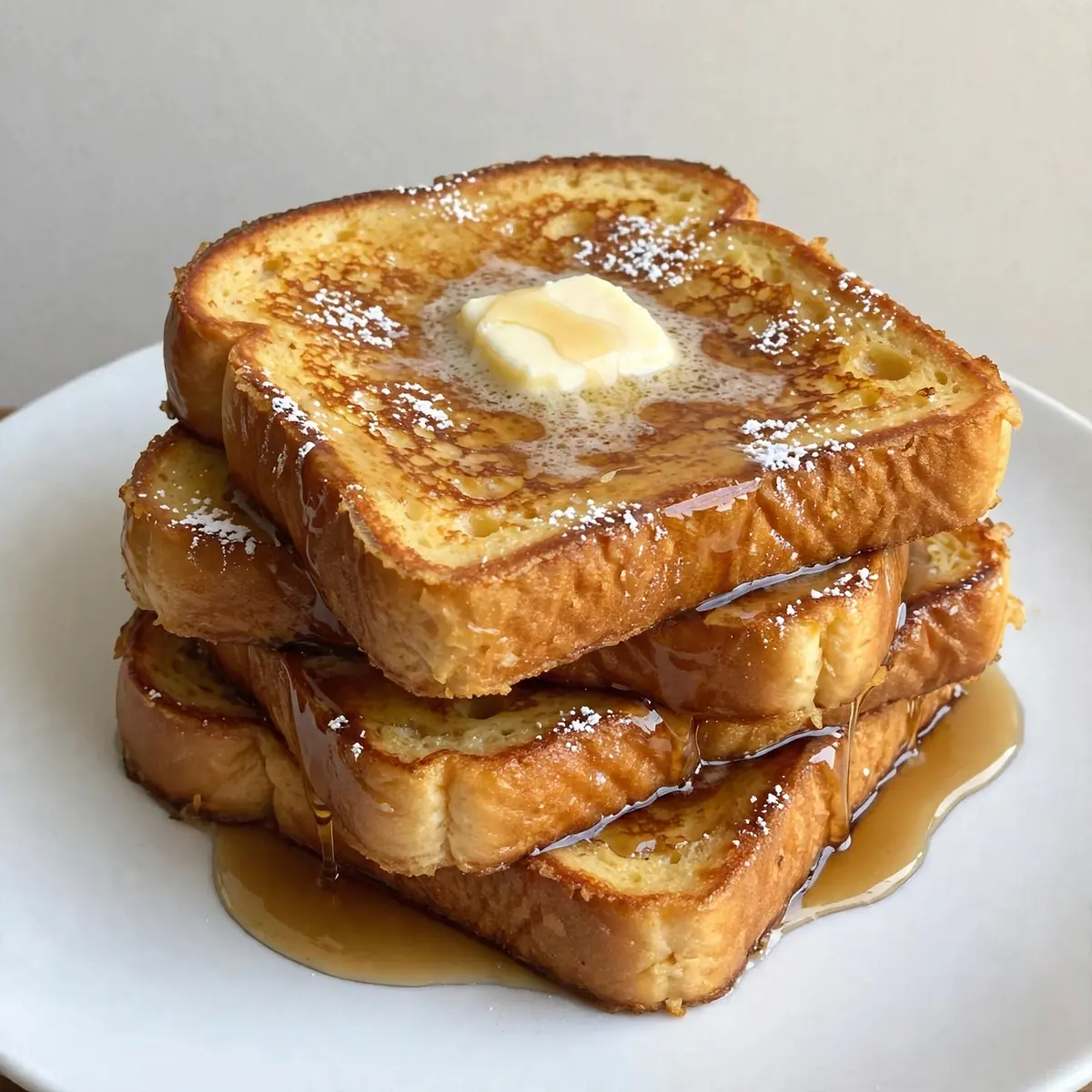
There are few culinary rituals more comforting than the quiet, deliberate act of making Classic French Toast on a Saturday morning. This isn’t a recipe for a rushed weekday breakfast; it’s a weekend project, a sensory meditation where the scent of vanilla and warm butter fills your kitchen, and the satisfying sizzle of custard-soaked bread hitting the pan signals the start of something truly special. Let’s slow down, breathe in the aroma, and create the most gloriously golden, custardy version you’ve ever tasted.
Recipe Overview
- Prep Time: 10 minutes (plus 5 minutes resting)
- Cook Time: 15 minutes
- Total Time: 30 minutes
- Servings: 4
- Difficulty: Easy
Why You’ll Love This Classic French Toast
- Golden, Custardy Perfection: The inside stays luxuriously soft and almost pudding-like, while the outside develops a deeply caramelised, crisp crust.
- Deeply Comforting Aromas: The smell of vanilla, cinnamon, and melted butter gently perfuming your home is the very definition of hygge.
- Uses Simple Pantry Staples: This recipe relies on eggs, milk, bread, and a few spices—items you likely already have on hand.
- Beautifully Customisable: From the bread you choose to the toppings you pile on, it’s a canvas for creativity without ever losing its soul.
- A Genuine Weekend Ritual: This isn’t about speed; it’s about taking your time, enjoying the process, and rewarding yourself with a plate of pure, unadulterated bliss.

Ingredients You’ll Need
- 8 thick slices of brioche or challah bread (stale is best, about 2.5 cm thick)
- 4 large free-range eggs
- 240 ml whole milk
- 60 ml double cream
- 2 tablespoons golden caster sugar
- 1 teaspoon vanilla bean paste or high-quality vanilla extract
- ½ teaspoon ground cinnamon
- ¼ teaspoon freshly grated nutmeg
- A generous pinch of fine sea salt
- 30 g unsalted butter, for frying
- 1 tablespoon neutral oil (like sunflower or rapeseed), for frying
- For serving: maple syrup, fresh berries, a dusting of icing sugar, and a dollop of clotted cream
Tip: Stale bread is the key to success. A day-old loaf has a drier crumb that acts like a sponge, absorbing the custard without turning to mush. If your bread is fresh, slice it and leave it out on the counter for a couple of hours to dry slightly.
How to Make Classic French Toast
- Prepare the Custard: In a wide, shallow bowl, vigorously whisk together the eggs, whole milk, double cream, golden caster sugar, vanilla bean paste, cinnamon, nutmeg, and salt until completely smooth and homogenous. You should see no streaks of egg white. The mixture will feel silky and smell fragrantly of warm spices.
- Soak the Bread: Place a slice of bread into the custard and let it sit for about 20 seconds per side. The bread will feel heavy and look completely saturated but should not be falling apart. Gently lift it, letting any excess custard drip back into the bowl. The surface should look uniformly wet and slightly puffy.
- Rest the Soaked Bread: This is a crucial, quiet moment. Place the soaked slices on a wire rack set over a baking tray for 2-3 minutes. This allows the custard to fully penetrate the bread’s centre and helps the exterior set evenly when it hits the pan. You’ll see the bread plump up slightly.
- Heat the Pan: Place a large frying pan or skillet over a medium heat. Add the butter and neutral oil. Swirl the pan until the butter has melted, is foaming gently, and smells nutty. You want a steady, gentle sizzle—not a furious splatter. The oil prevents the butter from burning.
- Cook the First Side: Carefully lay the soaked bread slices into the hot pan, leaving a little space between each one. You should hear a satisfying, gentle hiss. Cook for 2-3 minutes, or until the underside is a deep, burnished gold. Peek underneath with a spatula; the colour should be even and caramelised.
- Flip and Finish: Flip the French toast using a thin spatula. Cook for another 2-3 minutes. The second side should also be golden brown, and the bread will feel slightly firm and springy to the touch. The kitchen will be filled with the rich scent of toasted butter and custard.
- Keep Warm: Transfer the finished slices to a wire rack in a low oven (about 110°C) to keep warm while you cook the remaining batches. This keeps the crust crisp, unlike a plate which traps steam and makes it soggy.
- Serve Immediately: Pile the warm French toast onto plates. Dust with icing sugar, drizzle generously with maple syrup, and add a spoonful of berries and a dollop of clotted cream. The contrast of warm, soft bread and cool cream is divine.
Tips From My Kitchen
- Use Day-Old Bread for the Best Texture: Fresh, soft bread will disintegrate into a gooey mess. A slightly stale, firm loaf like brioche, challah, or a good-quality white bloomer has a structure that can hold up to a good soak. The drier crumb absorbs the custard like a sponge, resulting in a creamy interior and a crisp, golden crust.
- Don’t Be Shy with the Fat: A combination of butter and a neutral oil is my secret. The butter provides incredible flavour and browning, while the oil raises the smoke point, preventing the butter from burning. This gives you a cleaner, more consistent golden crust every single time. Friends always ask me for this recipe after trying it at dinner parties, and this is usually the tip that surprises them.
- Resist the Urge to Overcrowd the Pan: Each slice of French toast needs its own space to cook properly. Overcrowding lowers the pan’s temperature, causing the bread to steam rather than fry. This leads to a pale, soggy exterior instead of that crisp, caramelised shell we’re after. Cook in batches, and keep the finished pieces warm in the oven.
- Manage Your Heat with Patience: Medium heat is your best friend here. If the heat is too high, the exterior will burn before the custard inside has a chance to set. If it’s too low, the bread will slowly dry out and become tough. The perfect pan is one where the butter foams gently and the bread sizzles happily but not aggressively.
- Let the Custard Rest for Five Minutes: After you’ve whisked your custard, let it sit for five minutes before you start dipping. This brief rest allows the gluten in the flour (from the spices, if any, and the milk) to relax and the flavours to meld together. It also allows any tiny air bubbles to settle, giving you a smoother, more even coating on the bread.
Equipment You’ll Need
- Large frying pan or skillet (non-stick or cast iron works beautifully)
- Sharp knife and cutting board
- Wide, shallow mixing bowl (for the custard)
- Balloon whisk
- Wooden spoon or thin spatula
- Wire rack set over a baking tray (for resting and keeping warm)
Common Mistakes to Avoid
- Overcrowding the pan: When you drop too many slices in at once, the pan temperature plummets. Instead of a quick sear that creates a crisp crust, the bread begins to steam. This results in a pale, rubbery exterior and a soggy, undercooked centre. Fry in small batches, allowing each slice room to breathe and brown evenly.
- Wrong temperature: A pan that’s too hot will scorch the outside of the bread, leaving the raw, custardy interior cold and runny. A pan that’s too cool will slowly dry out the bread, making it tough and leathery. The ideal is a steady medium heat. The butter should foam and sizzle gently, not spit and darken instantly.
- Skipping the rest time: This is the most common shortcut that leads to a subpar result. Placing a dripping-wet slice of bread directly into the pan forces the custard to leak out and create a messy, uneven crust. The 2-3 minute rest on a wire rack allows the custard to fully absorb into the bread’s structure, ensuring a creamy, even interior and a perfectly crisp shell.
What to Serve With Classic French Toast
- A generous drizzle of warm maple syrup or a dollop of fruit compote.
- Fresh seasonal berries – strawberries, raspberries, and blueberries add a bright, tart contrast.
- A dollop of clotted cream, crème fraîche, or a spoonful of Greek yoghurt for a tangy richness.
- A side of Seasoned Beef Tacos might seem unconventional, but for a truly indulgent brunch spread, why not? Alternatively, keep it sweet with a side of Fudgy Chocolate Brownies for an over-the-top dessert-like breakfast.
Still hungry for ideas? You might also love Griddle Blackstone French Toast, French Toast With Blueberries Brioche from our sister kitchens.
Frequently Asked Questions
Classic French Toast
Ingredients
Method
- Prepare the Custard: In a wide, shallow bowl, vigorously whisk together the eggs, whole milk, double cream, golden caster sugar, vanilla bean paste, cinnamon, nutmeg, and salt until completely smooth and homogenous. You should see no streaks of egg white. The mixture will feel silky and smell fragrantly of warm spices.
- Soak the Bread: Place a slice of bread into the custard and let it sit for about 20 seconds per side. The bread will feel heavy and look completely saturated but should not be falling apart. Gently lift it, letting any excess custard drip back into the bowl. The surface should look uniformly wet and slightly puffy.
- Rest the Soaked Bread: This is a crucial, quiet moment. Place the soaked slices on a wire rack set over a baking tray for 2-3 minutes. This allows the custard to fully penetrate the bread’s centre and helps the exterior set evenly when it hits the pan. You’ll see the bread plump up slightly.
- Heat the Pan: Place a large frying pan or skillet over a medium heat. Add the butter and neutral oil. Swirl the pan until the butter has melted, is foaming gently, and smells nutty. You want a steady, gentle sizzle—not a furious splatter. The oil prevents the butter from burning.
- Cook the First Side: Carefully lay the soaked bread slices into the hot pan, leaving a little space between each one. You should hear a satisfying, gentle hiss. Cook for 2-3 minutes, or until the underside is a deep, burnished gold. Peek underneath with a spatula; the colour should be even and caramelised.
- Flip and Finish: Flip the French toast using a thin spatula. Cook for another 2-3 minutes. The second side should also be golden brown, and the bread will feel slightly firm and springy to the touch. The kitchen will be filled with the rich scent of toasted butter and custard.
- Keep Warm: Transfer the finished slices to a wire rack in a low oven (about 110°C) to keep warm while you cook the remaining batches. This keeps the crust crisp, unlike a plate which traps steam and makes it soggy.
- Serve Immediately: Pile the warm French toast onto plates. Dust with icing sugar, drizzle generously with maple syrup, and add a spoonful of berries and a dollop of clotted cream. The contrast of warm, soft bread and cool cream is divine.
Notes
I stumbled upon this combination of a long rest and a careful soak by accident one rainy Sunday, and it’s been a hit ever since. This Classic French Toast is more than just a breakfast; it’s a declaration of a slow, intentional morning. I’d love to hear how your weekend project turns out—what toppings did you choose, and what comforting aromas filled your kitchen? Leave a comment below and share your experience.