Homemade Mashed Potatoes
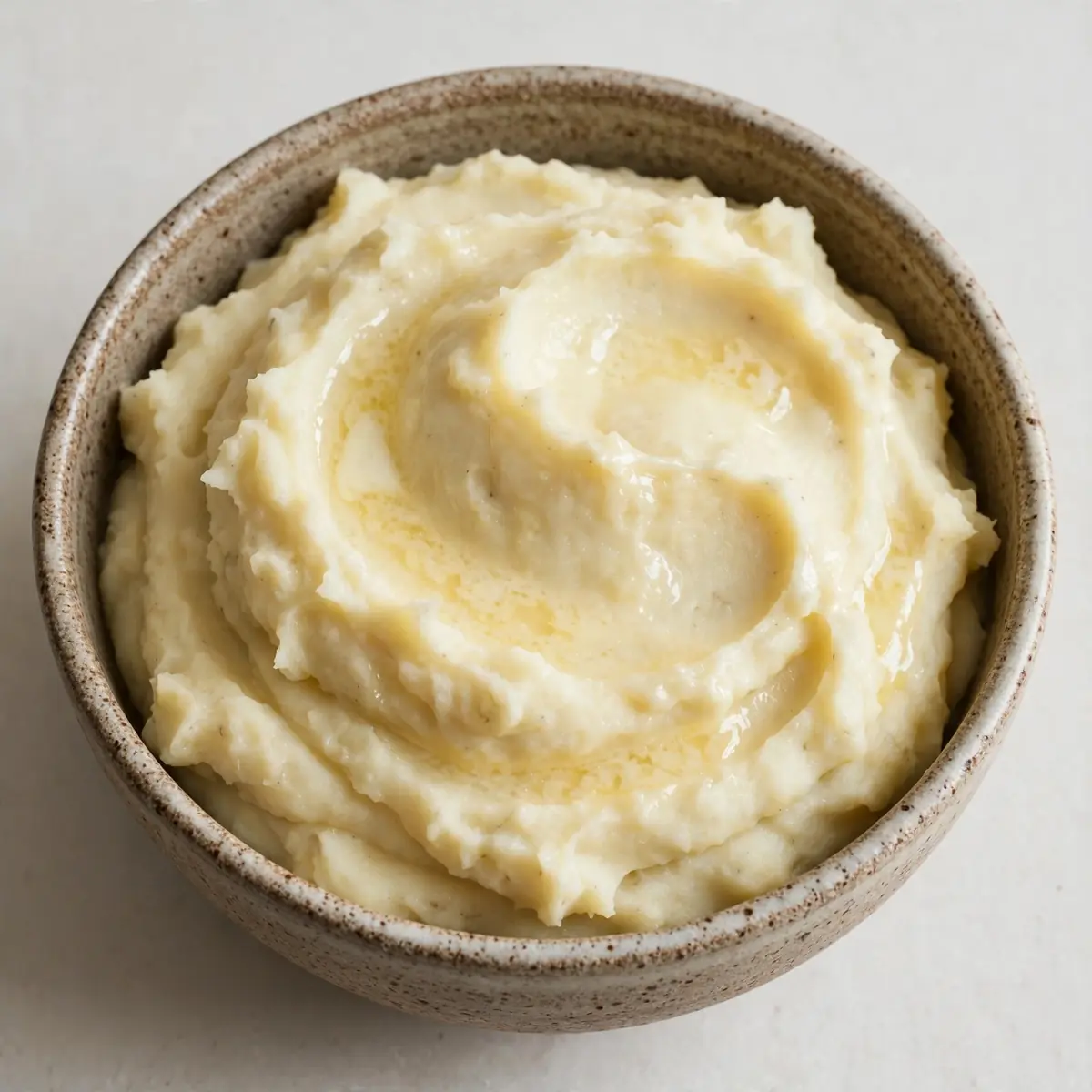
There is a particular magic to a weekend afternoon when the kitchen window steams up, the radio hums low, and the only thing on the agenda is a pot of potatoes. This homemade mashed potatoes recipe is my favourite way to slow down, surrendering to the rhythm of peeling, boiling, and mashing until the world outside fades into the buttery aroma filling the house. It’s not about rushing dinner; it’s about the quiet, satisfying ritual of creating something deeply comforting from scratch.
Recipe Overview
- Prep time: 20 minutes
- Cook time: 25 minutes
- Total time: 45 minutes
- Servings: 6 generous portions
- Difficulty: Easy
Why You’ll Love This Homemade Mashed Potatoes
- Luxuriously creamy texture: Achieved through a careful combination of starchy potatoes, warm butter, and full-fat milk, resulting in a silky, cloud-like mash that feels indulgent.
- Deep, savoury flavour: We season at every stage, from salting the cooking water to finishing with a crack of white pepper, building layers of flavour that elevate the humble potato.
- Perfectly adaptable: This base recipe is a blank canvas, ready to accept roasted garlic, fresh herbs, or a sharp grating of cheese without losing its essential character.
- Reliable, foolproof method: By following a few key steps—starting potatoes in cold water, drying them off after draining—you guarantee a lump-free, never-gloopy result every single time.
- Cosy weekend ritual: The process itself is therapeutic; the gentle bubbling of the pot, the satisfying thump of the masher, and the final taste test from the spoon are all part of a cherished, unhurried cooking experience.
Ingredients You’ll Need
- 1.5 kg floury potatoes (such as Maris Piper or King Edward)
- 120 g unsalted butter, plus extra for serving
- 200 ml whole milk
- 150 ml double cream
- 2 teaspoons fine sea salt, plus more for the water
- ½ teaspoon freshly ground white pepper
- 1 bay leaf (optional, for infusing the milk)
- 2 cloves garlic, peeled and left whole (optional)
- Small bunch of fresh chives, finely snipped, to garnish
Tip: Floury potatoes are non-negotiable for a light, fluffy mash. Waxy varieties like new potatoes or Charlotte will produce a dense, sticky result. For the best flavour, use a good-quality, full-fat milk and cream—this is not the time for lighter options.
How to Make Homemade Mashed Potatoes
- Prepare the potatoes: Peel the potatoes and cut them into even, 4cm chunks. Rinse them under cold running water until the water runs clear—this washes away excess starch that can make the mash gluey. Place the chunks in a large pot and cover with cold water by about 5cm. Add a generous tablespoon of salt. Cue: The water should look clear, and the potatoes will feel firm and squeaky clean.
- Cook until tender: Bring the pot to a boil over high heat, then reduce to a steady simmer. Cook for 15-20 minutes. Cue: You’ll see the water gently bubbling; the potatoes are ready when a knife slides into the centre of a chunk with absolutely no resistance, and the edges begin to look a little fluffy and break apart. The kitchen will smell of clean, starchy steam.
- Drain and dry: Drain the potatoes in a colander and let them sit for a good 3-4 minutes. Cue: You’ll see steam rising from the colander as the water evaporates. This crucial step removes excess moisture, ensuring your mash isn’t watery. The potatoes should look dry and floury on the surface.
- Warm the dairy: While the potatoes drain, place the milk, cream, bay leaf, and whole garlic cloves (if using) into a small saucepan. Warm over a low heat until it’s just steaming—do not let it boil. Cue: Small bubbles will appear around the edge of the pan, and the scent of warm milk and bay will fill the air. Remove the bay leaf and garlic cloves before using.
- Mash the potatoes: Return the dried potatoes to the warm pot (off the heat). Use a potato masher or a ricer to break them down. Start with a gentle pressing motion. Cue: You’ll hear a soft, squelching sound as the potatoes break down. The texture should be fluffy and light, with no large lumps remaining. Do not use a food processor or electric mixer—they overwork the starch and create a gluey paste.
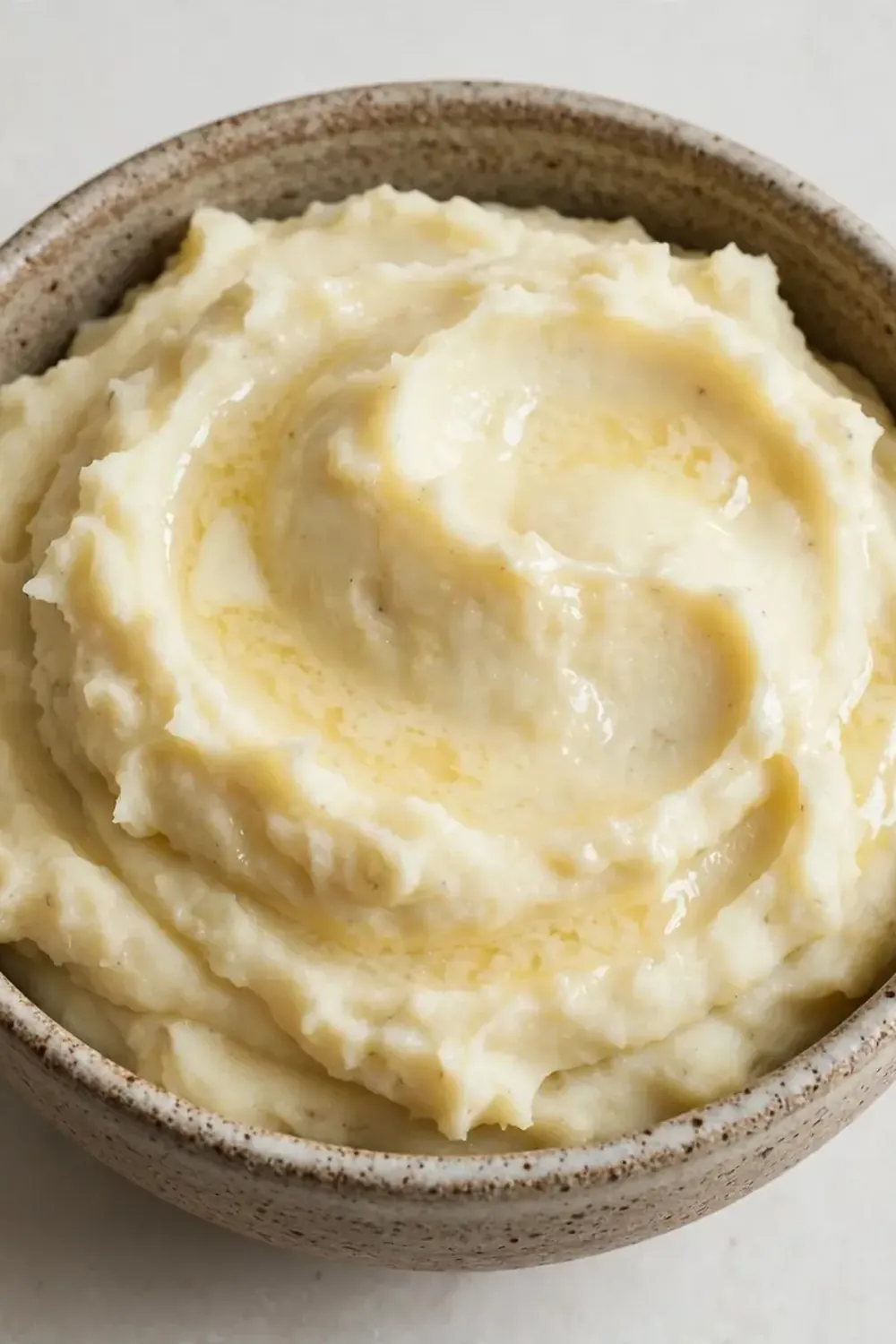
- Incorporate the butter and dairy: Add the 120g of butter in small pieces to the hot mash. Gently fold it in with a wooden spoon until it melts completely. Slowly pour in the warm milk mixture, a little at a time, folding gently after each addition. Cue: The mash will turn a pale, creamy gold. You’ll see the butter glisten, and the mixture will become looser and incredibly glossy. Stop adding liquid once it reaches a soft, spoonable consistency.
- Season and finish: Add the fine sea salt and white pepper. Taste and adjust. Cue: The mash should taste rich and savoury, with the butter and cream singing through. It should hold a soft peak when dropped from a spoon. Serve immediately, topped with an extra knob of butter and a scattering of fresh chives.
Tips From My Kitchen
- Start potatoes in cold water, not boiling: This ensures the potatoes cook evenly from the outside in. If you drop them into boiling water, the outside cooks and softens far quicker than the centre, leading to uneven texture and a mash that can be lumpy or pasty.
- Dry the potatoes thoroughly after draining: Steaming off the excess water is the single most important step for a fluffy mash, not a watery one. The residual heat in the colander and the potatoes themselves will drive off the steam. Be patient and give them the full 3-4 minutes.
- Always warm your milk and cream: Adding cold liquid to hot potatoes will cool the entire mixture down, making it harder to incorporate the butter and resulting in a dull, heavy mash. Warming the dairy keeps everything at a consistent temperature for a silky emulsion.
- Don’t overwork the potatoes: Mash just enough to break them down. Over-mashing or using an electric mixer activates the starch too much, turning your fluffy clouds into a sticky, gluey mess. A potato ricer yields the smoothest result with the least effort.
- Season the cooking water generously: Salting the water is your first and best chance to season the potatoes from the inside out. The water should taste like the sea. This foundational seasoning makes the final dish far more flavourful than just adding salt at the end.
Equipment You’ll Need
- Large saucepan or stockpot (at least 5 litres)
- Sharp vegetable peeler and chef’s knife
- Cutting board
- Colander
- Potato masher or ricer
- Small saucepan for warming dairy
- Wooden spoon or silicone spatula
Common Mistakes to Avoid
- Cutting potatoes too small or too large: Uniform 4cm chunks are key. Too small and they become waterlogged; too large and the outside disintegrates before the centre is tender. Aim for even, consistent pieces for perfectly cooked potatoes every time.
- Using the wrong potato variety: Waxy potatoes hold their shape when boiled and turn into a sticky, unpalatable paste when mashed. Always choose floury, starchy potatoes for a light, fluffy texture. Maris Piper or King Edward are ideal.
- Skipping the resting and drying step: I cannot overstate the importance of letting the potatoes steam dry in the colander. That trapped water will dilute your butter and cream, resulting in a thin, bland mash. Those few minutes of waiting are non-negotiable.
Delicious Variations to Try
- Roasted Garlic & Herb Mash: Roast a whole head of garlic until soft and sweet, then squeeze the cloves into the potatoes along with the butter. Fold through a tablespoon of finely chopped rosemary or thyme for an aromatic, deeply savoury version.
- Spicy Harissa Mash: Stir in 1-2 tablespoons of rose harissa paste with the butter and warm milk. The smoky, fruity heat cuts through the richness beautifully. Finish with a sprinkle of toasted cumin seeds and fresh coriander.
- Creamy Vegan Mash: Substitute the butter with a high-quality vegan block butter and the dairy with unsweetened oat milk and a splash of full-fat coconut cream. Roast a head of garlic and mash it in for an extra layer of savoury richness that plant-based eaters will love.
What to Serve With Homemade Mashed Potatoes
- A succulent roast chicken with rich, oniony gravy
- Slow-braised beef in a thick, herby tomato sauce
- Pan-seared sausages with caramelised onion gravy
- A simple, crisp green salad with a sharp vinaigrette to cut through the richness
- For a lighter meal, serve alongside Crispy Baked Chicken Tenders Recipe for a meal the whole family loves
Still hungry for ideas? You might also love Easy Mashed Potatoes Recipe, Easy Mashed Potatoes Recipe from our sister kitchens.
Frequently Asked Questions
Homemade Mashed Potatoes
Ingredients
Method
- Prepare the potatoes: Peel the potatoes and cut them into even, 4cm chunks. Rinse them under cold running water until the water runs clear—this washes away excess starch that can make the mash gluey. Place the chunks in a large pot and cover with cold water by about 5cm. Add a generous tablespoon of salt. Cue: The water should look clear, and the potatoes will feel firm and squeaky clean.
- Cook until tender: Bring the pot to a boil over high heat, then reduce to a steady simmer. Cook for 15-20 minutes. Cue: You’ll see the water gently bubbling; the potatoes are ready when a knife slides into the centre of a chunk with absolutely no resistance, and the edges begin to look a little fluffy and break apart. The kitchen will smell of clean, starchy steam.
- Drain and dry: Drain the potatoes in a colander and let them sit for a good 3-4 minutes. Cue: You’ll see steam rising from the colander as the water evaporates. This crucial step removes excess moisture, ensuring your mash isn’t watery. The potatoes should look dry and floury on the surface.
- Warm the dairy: While the potatoes drain, place the milk, cream, bay leaf, and whole garlic cloves (if using) into a small saucepan. Warm over a low heat until it’s just steaming—do not let it boil. Cue: Small bubbles will appear around the edge of the pan, and the scent of warm milk and bay will fill the air. Remove the bay leaf and garlic cloves before using.
- Mash the potatoes: Return the dried potatoes to the warm pot (off the heat). Use a potato masher or a ricer to break them down. Start with a gentle pressing motion. Cue: You’ll hear a soft, squelching sound as the potatoes break down. The texture should be fluffy and light, with no large lumps remaining. Do not use a food processor or electric mixer—they overwork the starch and create a gluey paste.
- Incorporate the butter and dairy: Add the 120g of butter in small pieces to the hot mash. Gently fold it in with a wooden spoon until it melts completely. Slowly pour in the warm milk mixture, a little at a time, folding gently after each addition. Cue: The mash will turn a pale, creamy gold. You’ll see the butter glisten, and the mixture will become looser and incredibly glossy. Stop adding liquid once it reaches a soft, spoonable consistency.
- Season and finish: Add the fine sea salt and white pepper. Taste and adjust. Cue: The mash should taste rich and savoury, with the butter and cream singing through. It should hold a soft peak when dropped from a spoon. Serve immediately, topped with an extra knob of butter and a scattering of fresh chives.
Notes
I make this at least once a week – it’s become a family favourite. My kids absolutely devour this every time I make it, and there is never a single spoonful left in the bowl. This homemade mashed potatoes recipe is more than just a side dish; it’s a warm, buttery invitation to slow down, breathe in the steam, and share a meal made with care. I’d love to hear how you get on—did you add a twist of your own? Drop a comment below and tell me all about it.