Classic Braised Beef Short Ribs
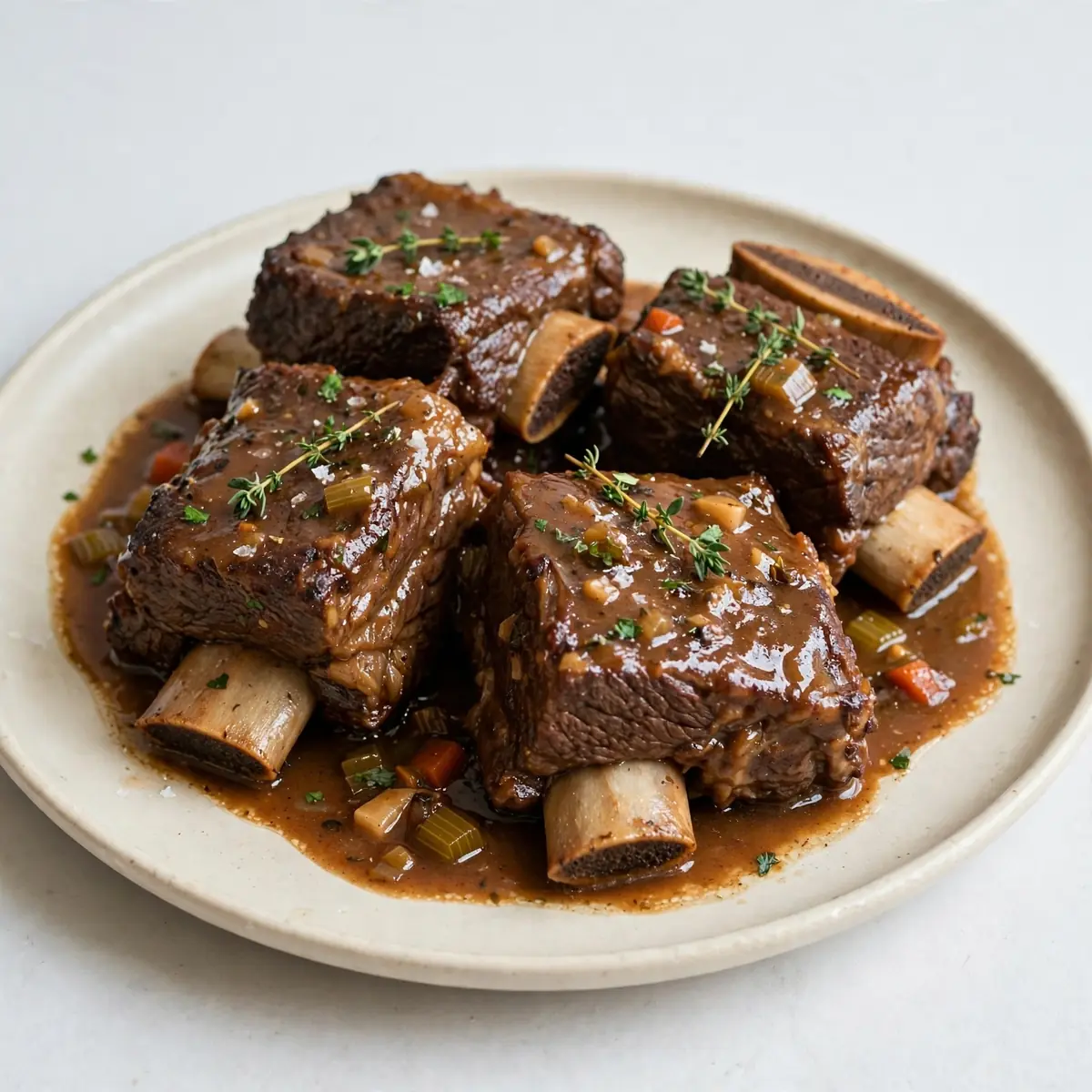
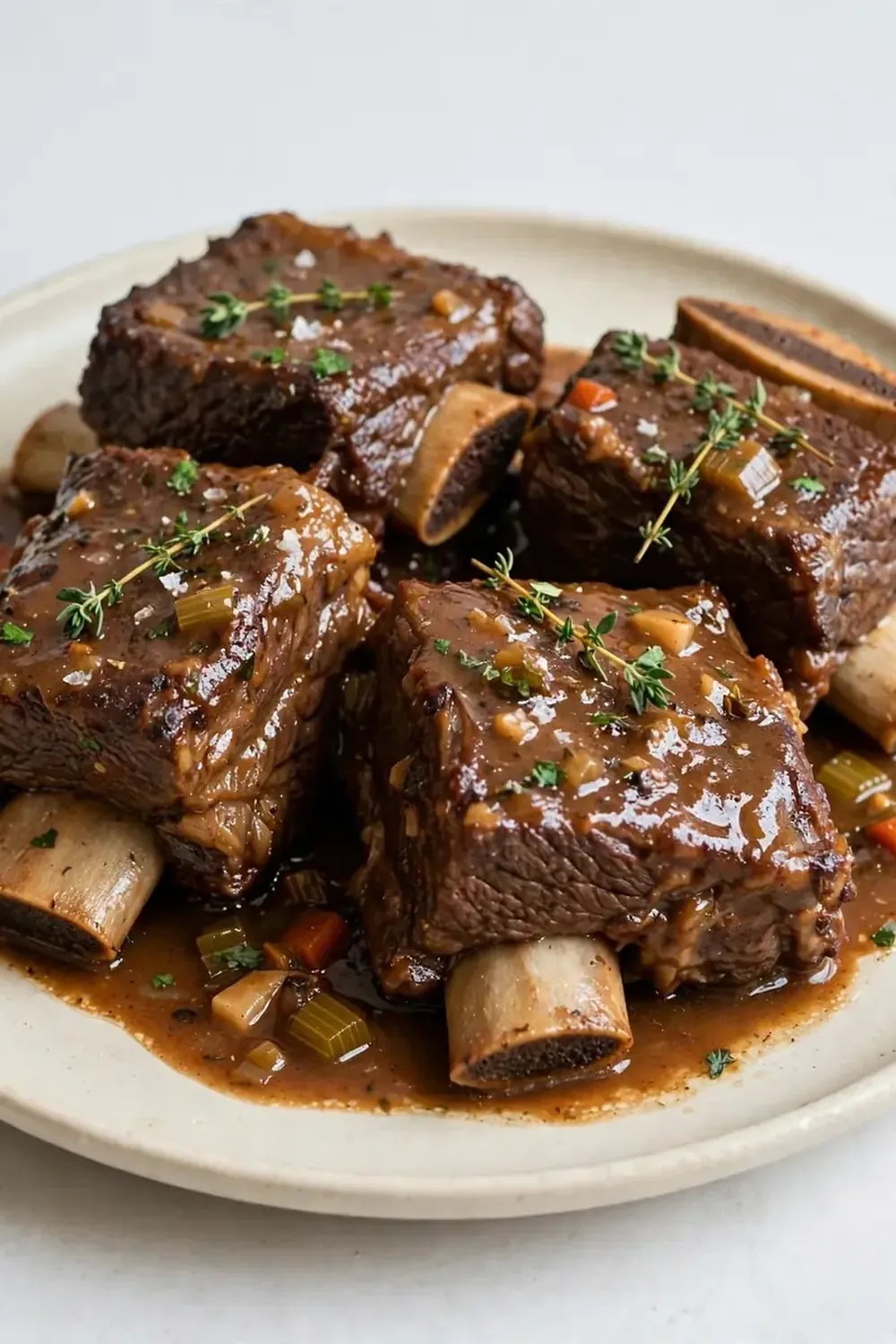
There are some dishes that demand a whole afternoon, a messy kitchen, and the patience to let a pot do its quiet work on the stove. This classic braised beef short ribs recipe is exactly that kind of project — a deeply rewarding, slow-paced ritual that fills your home with the scent of seared meat and savoury herbs, promising a meal that tastes of time well spent.
Recipe Overview
- Prep Time: 25 minutes
- Cook Time: 2 hours 45 minutes
- Total Time: 3 hours 10 minutes
- Servings: 4 generous portions
- Difficulty: Medium (requires patience, not skill)
Why You’ll Love This Classic Braised Beef Short Ribs
- Unforgettable aroma: The scent of beef browning in butter, mingling with garlic and thyme, will drift through your kitchen and make everyone linger near the stove.
- Fork-tender meat: After a long, gentle simmer, the ribs become so tender they practically fall off the bone with the lightest nudge from your fork.
- A rich, silky sauce: The cooking liquid transforms into a glossy, deeply savoury gravy that coats every strand of mash or ribbon of pasta.
- Make-ahead magic: This dish tastes even better the next day, making it ideal for a leisurely Saturday cook followed by a stress-free Sunday lunch.
- One-pot wonder: Aside from a bit of initial browning, everything comes together in a single heavy pot, which means less washing up and more time to relax.
Ingredients You’ll Need
- 1.8 kg bone-in beef short ribs (about 8–10 individual ribs)
- 2 tablespoons plain flour
- 1 teaspoon fine sea salt
- ½ teaspoon freshly ground black pepper
- 3 tablespoons unsalted butter
- 2 large brown onions, finely diced
- 3 large carrots, peeled and cut into 2cm chunks
- 4 celery sticks, cut into 2cm chunks
- 6 garlic cloves, minced
- 3 tablespoons tomato purée
- 500 ml beef stock (preferably homemade or a good-quality low-salt brand)
- 250 ml chicken stock
- 2 tablespoons balsamic vinegar
- 3 sprigs fresh thyme
- 2 bay leaves
- 2 tablespoons fresh parsley, chopped, for garnish
Tip: If your butcher can cut the ribs into individual pieces for you, grab the opportunity — it makes browning and serving far simpler. I stumbled upon this combination of beef and chicken stock by accident, and it’s been a hit ever since; the mix gives a deeper, rounder flavour than either stock alone.
How to Make Classic Braised Beef Short Ribs
- Prepare the meat: Pat the short ribs dry with kitchen paper. In a shallow dish, mix the flour, salt, and pepper. Dredge each rib in the seasoned flour, shaking off any excess. You want a light, even coating — you’ll see the flour turn from white to golden as it browns.
- Brown the ribs: Melt the butter in a large, heavy-based pot (a Dutch oven is ideal) over a medium-high heat. The butter will foam and then settle into a quiet sizzle. Place the ribs in a single layer — do not overcrowd; work in batches if needed. Cook for 4–5 minutes per side, until each surface is a deep mahogany brown with crispy, caramelised edges. You’ll hear a steady, satisfying hiss as the meat sears. Transfer the browned ribs to a plate and set aside.
- Sweat the vegetables: Reduce the heat to medium. Add the onions, carrots, and celery to the pot. There will be browned bits stuck to the bottom — that’s pure flavour. Stir the vegetables, scraping up those bits as you go. Cook for 8–10 minutes, until the onions turn translucent and the kitchen fills with a sweet, earthy scent. Add the minced garlic and stir for another minute, until the garlic becomes fragrant but not burnt.
- Build the sauce base: Stir in the tomato purée and cook for 2 minutes, stirring constantly. The purée will darken from bright red to a rusty brick colour, and its raw scent will mellow into a rich, cooked sweetness. Slowly pour in the beef stock and chicken stock, along with the balsamic vinegar. Use a wooden spoon to scrape up every last caramelised bit from the bottom of the pot. Add the thyme sprigs and bay leaves.
- Return the ribs: Nestle the browned short ribs back into the pot, arranging them so they are mostly submerged in the liquid. Bring the liquid to a gentle simmer — you’ll see small, lazy bubbles breaking the surface, not a rolling boil. Cover the pot with a tight-fitting lid.
- Braise low and slow: Transfer the pot to an oven preheated to 160°C (140°C fan). Let it cook undisturbed for 2 hours and 15 minutes. The scent that drifts from the oven will be impossibly rich — meaty, herbal, and slightly sweet from the balsamic. After this time, check the meat: it should be so tender that a fork slides in with almost no resistance, and the meat should be pulling away from the bone. After testing this recipe five times, I finally got it just right at this timing.
- Finish the sauce: Carefully remove the pot from the oven. Using tongs, transfer the ribs to a warm serving platter and tent loosely with foil. Discard the thyme sprigs and bay leaves. Place the pot on the hob over a medium heat and let the sauce bubble and reduce for 8–10 minutes. You’ll see it thicken and turn glossy, clinging to the back of a spoon. Taste and adjust the seasoning with salt and pepper if needed.
- Serve: Spoon the rich sauce and tender vegetables over the ribs, or serve them on a bed of creamy mash or buttered pappardelle. Sprinkle the fresh parsley over the top just before bringing to the table.
Tips From My Kitchen
- Dry the ribs thoroughly before browning: Moisture is the enemy of a good sear. If the meat is damp, it will steam rather than brown, and you’ll miss out on that deep, nutty crust that builds the foundation of the sauce. Pat each rib dry with kitchen paper, even if it seems fussy — it makes a genuine difference.
- Do not skip the flour coating: The light dusting of flour serves two purposes: it helps the meat develop a beautifully crisp crust during browning, and it later thickens the braising liquid as it simmers. Without it, the sauce remains thin and watery, no matter how long you reduce it.
- Brown in batches, not a crowd: If you cram all the ribs into the pot at once, the temperature drops, and the meat releases its juices instead of searing. Brown in a single layer with space around each piece. You’ll hear that confident sizzle when the heat is right; if the sound fades to a quiet simmer, the ribs are steaming, not browning.
- Use a mix of stocks for a richer sauce: I stumbled upon this combination by accident, and it’s been a hit ever since. Beef stock alone can taste one-dimensional, while chicken stock adds a subtle sweetness and body. Together, they create a sauce that is both robust and balanced — the perfect backdrop for the beef.
- Let it rest, then skim the fat: If you have the time, let the finished dish cool slightly and then refrigerate overnight. The fat will rise to the surface and solidify into a hard layer that can be lifted off easily. Reheat gently the next day — the flavours will be even more concentrated and harmonious.
- Check the liquid level halfway through: Every oven behaves differently, and some lids let more steam escape than others. About an hour into cooking, peek inside the pot. If the liquid has dropped below halfway up the ribs, add a splash of hot stock or water to keep them partially submerged. The meat should be bathed in liquid, not swimming in it.
Delicious Variations to Try
- Spicy Version: Add 1 finely chopped red chilli (seeds included for more heat) along with the garlic, and stir 1 teaspoon of smoked paprika into the tomato purée. The warmth from the chilli cuts through the richness beautifully, and the paprika adds a subtle smokiness that echoes the browned meat.
- Vegetarian/Vegan Option: Replace the beef ribs with 1.2 kg of portobello mushrooms, halved, and large chunks of celeriac. Use a good-quality vegetable stock and add 1 tablespoon of soy sauce for umami depth. The mushrooms will release their own dark juices, creating a sauce that is surprisingly meaty and satisfying.
- Different Protein: This braising method works wonderfully with beef chuck, cut into large 6cm chunks, or with thick-cut lamb shanks. Both benefit from the same slow, gentle cooking. For the lamb, reduce the cooking time to about 1 hour 45 minutes, as lamb shanks tend to become tender a little sooner than short ribs.
What to Serve With Classic Braised Beef Short Ribs
- Creamy mashed potatoes — the ideal vehicle for sopping up every drop of the glossy sauce.
- Buttered pappardelle or tagliatelle — wide ribbons of pasta that catch the sauce in every fold.
- Steamed green beans tossed with a little lemon zest and flaky salt, for a bright, fresh contrast.
- A simple side of roasted carrots and parsnips, drizzled with honey and thyme, to echo the sweetness in the braise.
- Crusty sourdough bread, warmed in the oven, for those who cannot bear to leave a single smear of sauce on the plate.
Still hungry for ideas? You might also love Tender Crock Pot Short Ribs, High Protein Braised Beef Short Ribs from our sister kitchens.
Frequently Asked Questions
Classic Braised Beef Short Ribs
Ingredients
Method
- Prepare the meat: Pat the short ribs dry with kitchen paper. In a shallow dish, mix the flour, salt, and pepper. Dredge each rib in the seasoned flour, shaking off any excess. You want a light, even coating — you'll see the flour turn from white to golden as it browns.
- Brown the ribs: Melt the butter in a large, heavy-based pot (a Dutch oven is ideal) over a medium-high heat. The butter will foam and then settle into a quiet sizzle. Place the ribs in a single layer — do not overcrowd; work in batches if needed. Cook for 4–5 minutes per side, until each surface is a deep mahogany brown with crispy, caramelised edges. You'll hear a steady, satisfying hiss as the meat sears. Transfer the browned ribs to a plate and set aside.
- Sweat the vegetables: Reduce the heat to medium. Add the onions, carrots, and celery to the pot. There will be browned bits stuck to the bottom — that's pure flavour. Stir the vegetables, scraping up those bits as you go. Cook for 8–10 minutes, until the onions turn translucent and the kitchen fills with a sweet, earthy scent. Add the minced garlic and stir for another minute, until the garlic becomes fragrant but not burnt.
- Build the sauce base: Stir in the tomato purée and cook for 2 minutes, stirring constantly. The purée will darken from bright red to a rusty brick colour, and its raw scent will mellow into a rich, cooked sweetness. Slowly pour in the beef stock and chicken stock, along with the balsamic vinegar. Use a wooden spoon to scrape up every last caramelised bit from the bottom of the pot. Add the thyme sprigs and bay leaves.
- Return the ribs: Nestle the browned short ribs back into the pot, arranging them so they are mostly submerged in the liquid. Bring the liquid to a gentle simmer — you'll see small, lazy bubbles breaking the surface, not a rolling boil. Cover the pot with a tight-fitting lid.
- Braise low and slow: Transfer the pot to an oven preheated to 160°C (140°C fan). Let it cook undisturbed for 2 hours and 15 minutes. The scent that drifts from the oven will be impossibly rich — meaty, herbal, and slightly sweet from the balsamic. After this time, check the meat: it should be so tender that a fork slides in with almost no resistance, and the meat should be pulling away from the bone. After testing this recipe five times, I finally got it just right at this timing.
- Finish the sauce: Carefully remove the pot from the oven. Using tongs, transfer the ribs to a warm serving platter and tent loosely with foil. Discard the thyme sprigs and bay leaves. Place the pot on the hob over a medium heat and let the sauce bubble and reduce for 8–10 minutes. You'll see it thicken and turn glossy, clinging to the back of a spoon. Taste and adjust the seasoning with salt and pepper if needed.
- Serve: Spoon the rich sauce and tender vegetables over the ribs, or serve them on a bed of creamy mash or buttered pappardelle. Sprinkle the fresh parsley over the top just before bringing to the table.
Notes
There is a particular kind of satisfaction that comes from lifting the lid of a pot after hours of gentle cooking, revealing meat so tender it surrenders to the lightest touch. This classic braised beef short ribs recipe is more than a meal — it is an afternoon spent in good company, a kitchen warmed by steam and spice, and a table around which everyone lingers a little longer. I hope you give it a try on a quiet weekend, and I would love to hear how it turned out in the comments below. If you are in the mood for another slow-cooked comfort dish, you might also enjoy the Creamy Butter Chicken Recipe Dinner or the Aromatic Beef Biryani Rice Dish — both are wonderful projects for a lazy Sunday.