Classic Beef Bolognese Pasta
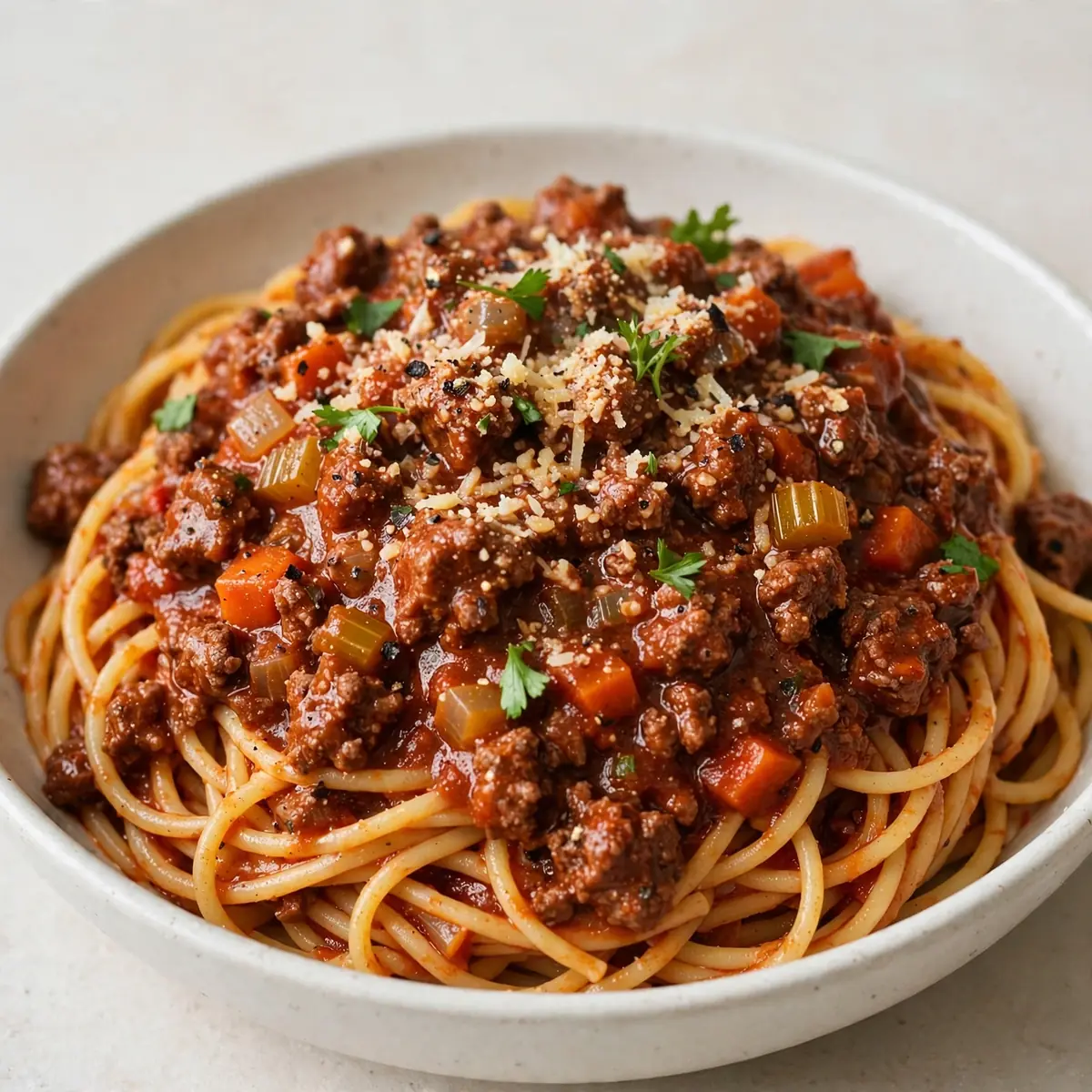
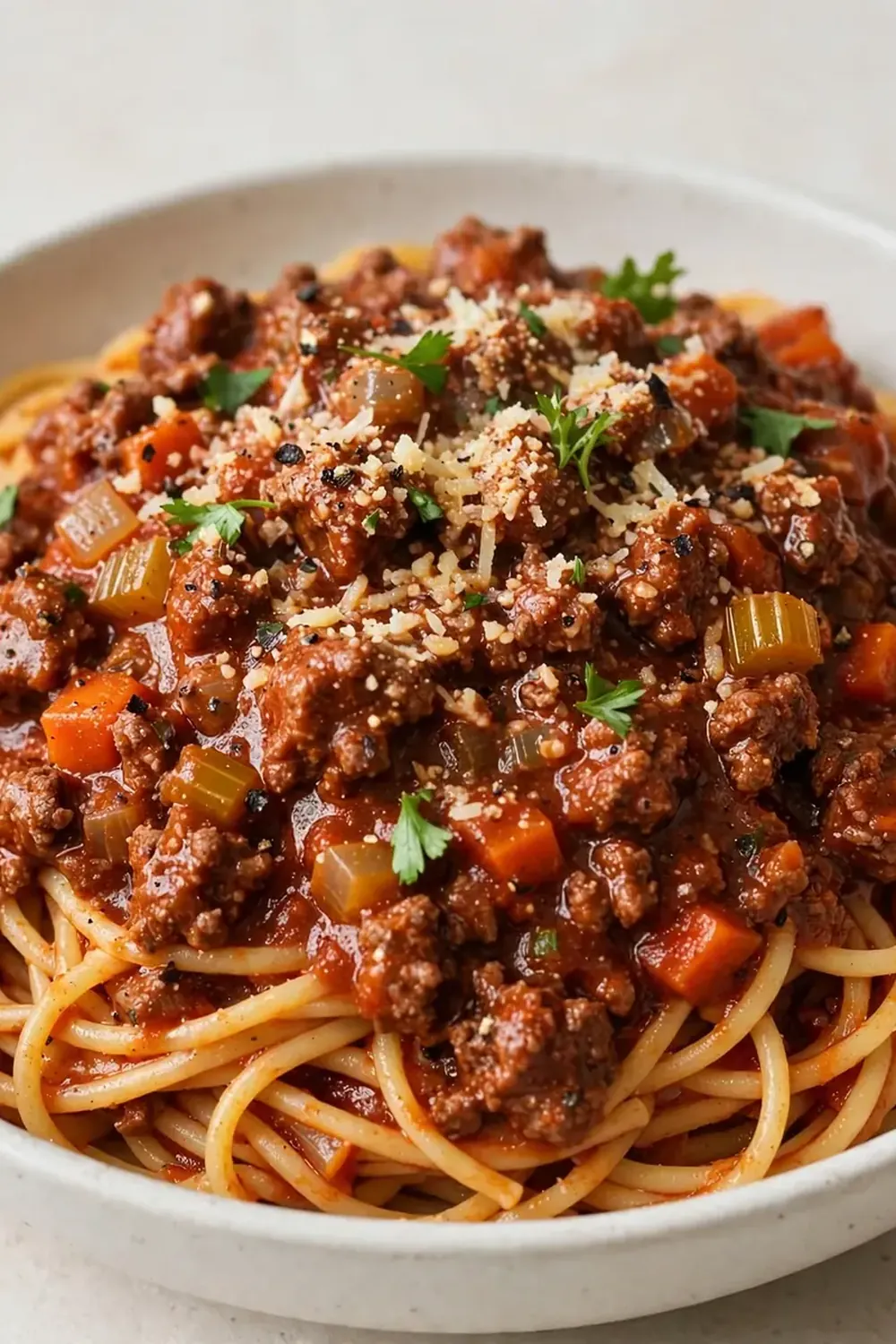
There are few things more comforting on a grey, drizzly weekend than the slow, rhythmic bubbling of a pot of ragù on the stove. This Classic Beef Bolognese Pasta is my favourite project for when I want to fill the house with the scent of garlic, herbs, and simmering tomatoes, and I crave the quiet joy of stirring, tasting, and adjusting until everything is just right. It’s not a race; it’s a deliberate, delicious act of slowing down, and the reward is a deeply savoury sauce that clings lovingly to every strand of pasta.
Recipe Overview
- Prep time: 20 minutes
- Cook time: 1 hour 30 minutes
- Total time: 1 hour 50 minutes
- Servings: 6 generous portions
- Difficulty: Medium
Why You’ll Love This Classic Beef Bolognese Pasta
- Deep, layered flavour from slow cooking: The long simmer transforms simple ingredients into something complex and rich, without needing any shortcuts.
- Perfect for a relaxed weekend: This sauce asks for your attention now and then, but mostly it just needs to sit and bubble away while you read a book or potter about the kitchen.
- A genuinely satisfying sensory experience: From the sizzle of the mince to the aroma of fried garlic and the final glossy sheen, every step is a pleasure.
- Freezes beautifully for busy weeks: Make a double batch, and you’ll have a homemade dinner ready to go when you’re short on time. This is my go-to recipe when I need something quick but impressive from the freezer.
- Family-friendly and adaptable: My kids absolutely devour this every time I make it, and you can easily adjust the vegetables or herbs to suit what you have in the fridge.
Ingredients You’ll Need
- 2 tablespoons olive oil
- 1 large onion, finely diced (about 200g)
- 2 celery sticks, finely diced (about 100g)
- 2 carrots, finely diced (about 150g)
- 4 garlic cloves, minced
- 500g beef mince (15-20% fat content for best flavour)
- 2 tablespoons tomato purée
- 400g tin of chopped tomatoes
- 250ml beef stock (made with one stock cube is fine)
- 1 teaspoon dried oregano
- 1 teaspoon dried basil
- Salt and freshly ground black pepper, to taste
- 500g dried spaghetti or tagliatelle
- Freshly grated Parmesan cheese, to serve
- Small handful of fresh parsley, chopped, to garnish
Tip: For the best texture, try to dice your onion, celery, and carrot into pieces no bigger than a pea. They should melt into the sauce as it cooks, leaving behind only their sweet, savoury essence.
Equipment You’ll Need
- Large pot for boiling pasta
- Colander
- Large, heavy-based frying pan or Dutch oven
- Wooden spoon or silicone spatula
- Chef’s knife and chopping board
- Tongs or a pasta fork
Common Mistakes to Avoid
- Overcrowding the pan: If you add all the mince at once, it will steam instead of brown. The meat needs space to make contact with the hot pan so it can develop that deep, caramelised crust. Cook it in two batches if necessary, and you’ll hear a vigorous sizzle, not a dull hiss.
- Wrong temperature: Browning the meat requires high heat, but once the liquid ingredients go in, you must lower the heat to a gentle simmer. A hard, rolling boil will toughen the meat and reduce the sauce too quickly. Look for small, lazy bubbles breaking the surface, not a frantic churn.
- Skipping the rest time: Letting the sauce sit off the heat for just five minutes before serving allows the flavours to marry and the sauce to thicken slightly. This short rest also helps the sauce coat the pasta more evenly, so every forkful is perfectly dressed.
How to Make Classic Beef Bolognese Pasta
- Sauté the vegetables: Place your large pan over a medium heat and add the olive oil. Once the oil shimmers and smells warm, tip in the onion, celery, and carrot. Stir them with a wooden spoon, and let them cook for about 8 minutes. You’ll see them soften and become translucent, and the kitchen will fill with a sweet, earthy fragrance. The onions should look glassy, not coloured.
- Add the garlic: Stir in the minced garlic and cook for one minute more. The aroma will change sharply, becoming pungent and appetising. Watch carefully; garlic burns quickly and turns bitter. As soon as you can smell it, you’re ready for the next step.
- Brown the beef mince: Turn the heat up to medium-high. Add the beef mince to the pan, breaking it apart with your spoon. Listen for a loud, satisfying sizzle. Cook for 5-7 minutes, stirring occasionally, until the meat is no longer pink. You should see deep brown patches forming on the meat where it touches the pan, which is exactly what you want. If the pan looks dry or the meat is releasing a lot of liquid, cook a little longer until that liquid evaporates and the browning begins.
- Stir in the tomato purée: Add the tomato purée and stir it through the meat and vegetables for two minutes. The colour will darken to a rich brick red, and the smell will become more concentrated and tangy. This step cooks out the raw, tinny taste of the purée.
- Add the tomatoes and stock: Pour in the chopped tomatoes and the beef stock. Add the dried oregano and basil, plus a generous pinch of salt and a few grinds of black pepper. Stir everything together, scraping the bottom of the pan to lift any tasty browned bits. The sauce will look quite thin and watery at this point, with a bright, fresh tomato colour.
- Simmer low and slow: Bring the sauce to a gentle bubble, then immediately turn the heat down to low. You want the surface to show an occasional lazy bubble, not a rapid boil. Partially cover the pan with a lid and let it simmer for at least 1 hour, stirring every 15 minutes or so. As it cooks, the colour will deepen to a rich mahogany, the liquid will reduce, and the sauce will thicken. The smell will become mellow, sweet, and deeply savoury. Taste and adjust the salt and pepper at the end of cooking.
- Cook the pasta: About ten minutes before the sauce is ready, bring a large pot of generously salted water to a rolling boil. Add your pasta and cook according to the package instructions until it is al dente — tender but with a slight resistance in the centre. Just before you drain it, scoop out a mugful of the starchy pasta water and set it aside.
- Marry the sauce and pasta: Drain the pasta in a colander, then tip it directly into the pan of sauce. Toss everything together with tongs over a low heat for a minute or two. The sauce will cling to the pasta. If it looks a little thick, add a splash of the reserved pasta water and toss again. You’re aiming for a glossy, emulsified sauce that coats each strand without being watery.
- Serve immediately: Divide the pasta among warm bowls. Finish each portion with a generous grating of fresh Parmesan and a scattering of chopped parsley. The sauce should be rich and velvety, the pasta perfectly coated, and every bite full of the slow-cooked flavour you’ve built.
Tips From My Kitchen
- Patience with the soffritto: The base of onion, celery, and carrot, known as a soffritto, is the backbone of this sauce. Cooking it slowly over medium heat until it’s soft and sweet, without browning, builds a gentle, foundational flavour. Rushing this step by turning up the heat will result in a harsher, less rounded sauce.
- Use full-fat mince for flavour: I always use beef mince with a fat content of around 15-20%. The fat renders out during browning and carries the flavour of the meat and vegetables. Lean mince can result in a drier, less satisfying sauce. If there’s too much fat after browning, simply tilt the pan and spoon off the excess, leaving a tablespoon or two behind.
- Reserve your pasta water: That starchy water is liquid gold. It contains dissolved starches from the pasta that help bind the sauce and give it a silky, restaurant-quality consistency. Adding a splash when you toss the pasta and sauce together is the secret to a non-greasy, perfectly emulsified finish.
- Don’t skip the rest: After you’ve stirred the pasta into the sauce, let it sit in the pan for just two minutes off the heat. This allows the pasta to absorb a little more of the sauce’s flavour and for the sauce to settle into a perfect coating consistency. It’s a tiny pause that makes a noticeable difference.
- Make it your own: This recipe is a wonderful canvas. You can stir in a splash of milk or cream at the end for a richer, creamier sauce (a classic Bolognese trick). For a touch of umami, a teaspoon of Marmite or a splash of soy sauce added with the stock works wonders. If you fancy a different protein, this method works beautifully with chicken or turkey mince, too, though you may need to add a little extra olive oil.
What to Serve With Classic Beef Bolognese Pasta
- A simple green salad dressed with lemon juice and olive oil to cut through the richness.
- Crusty garlic bread for soaking up every last drop of sauce from the bowl.
- Roasted or steamed tenderstem broccoli, seasoned with a pinch of salt and chilli flakes.
Still hungry for ideas? You might also love Creamy Beef Pasta, Beef Ragu Pasta Recipe from our sister kitchens.
Frequently Asked Questions
Classic Beef Bolognese Pasta
Ingredients
Method
- Sauté the vegetables: Place your large pan over a medium heat and add the olive oil. Once the oil shimmers and smells warm, tip in the onion, celery, and carrot. Stir them with a wooden spoon, and let them cook for about 8 minutes. You’ll see them soften and become translucent, and the kitchen will fill with a sweet, earthy fragrance. The onions should look glassy, not coloured.
- Add the garlic: Stir in the minced garlic and cook for one minute more. The aroma will change sharply, becoming pungent and appetising. Watch carefully; garlic burns quickly and turns bitter. As soon as you can smell it, you’re ready for the next step.
- Brown the beef mince: Turn the heat up to medium-high. Add the beef mince to the pan, breaking it apart with your spoon. Listen for a loud, satisfying sizzle. Cook for 5-7 minutes, stirring occasionally, until the meat is no longer pink. You should see deep brown patches forming on the meat where it touches the pan, which is exactly what you want. If the pan looks dry or the meat is releasing a lot of liquid, cook a little longer until that liquid evaporates and the browning begins.
- Stir in the tomato purée: Add the tomato purée and stir it through the meat and vegetables for two minutes. The colour will darken to a rich brick red, and the smell will become more concentrated and tangy. This step cooks out the raw, tinny taste of the purée.
- Add the tomatoes and stock: Pour in the chopped tomatoes and the beef stock. Add the dried oregano and basil, plus a generous pinch of salt and a few grinds of black pepper. Stir everything together, scraping the bottom of the pan to lift any tasty browned bits. The sauce will look quite thin and watery at this point, with a bright, fresh tomato colour.
- Simmer low and slow: Bring the sauce to a gentle bubble, then immediately turn the heat down to low. You want the surface to show an occasional lazy bubble, not a rapid boil. Partially cover the pan with a lid and let it simmer for at least 1 hour, stirring every 15 minutes or so. As it cooks, the colour will deepen to a rich mahogany, the liquid will reduce, and the sauce will thicken. The smell will become mellow, sweet, and deeply savoury. Taste and adjust the salt and pepper at the end of cooking.
- Cook the pasta: About ten minutes before the sauce is ready, bring a large pot of generously salted water to a rolling boil. Add your pasta and cook according to the package instructions until it is al dente — tender but with a slight resistance in the centre. Just before you drain it, scoop out a mugful of the starchy pasta water and set it aside.
- Marry the sauce and pasta: Drain the pasta in a colander, then tip it directly into the pan of sauce. Toss everything together with tongs over a low heat for a minute or two. The sauce will cling to the pasta. If it looks a little thick, add a splash of the reserved pasta water and toss again. You’re aiming for a glossy, emulsified sauce that coats each strand without being watery.
- Serve immediately: Divide the pasta among warm bowls. Finish each portion with a generous grating of fresh Parmesan and a scattering of chopped parsley. The sauce should be rich and velvety, the pasta perfectly coated, and every bite full of the slow-cooked flavour you’ve built.
Notes
I hope this recipe becomes a cherished part of your weekend cooking rhythm. There’s something truly special about creating a meal that fills your home with warmth and your bowl with comfort, all while taking the time to enjoy the process. If you give it a go, I’d love to hear how you got on in the comments below. And if you’re in the mood for another deeply satisfying, saucy meal, you might also enjoy our Saucy Halal Meatball Subs Recipe or the rich, creamy Creamy Butter Chicken Recipe Dinner. Happy cooking!