Perfect Pan-Seared T-Bone Steak
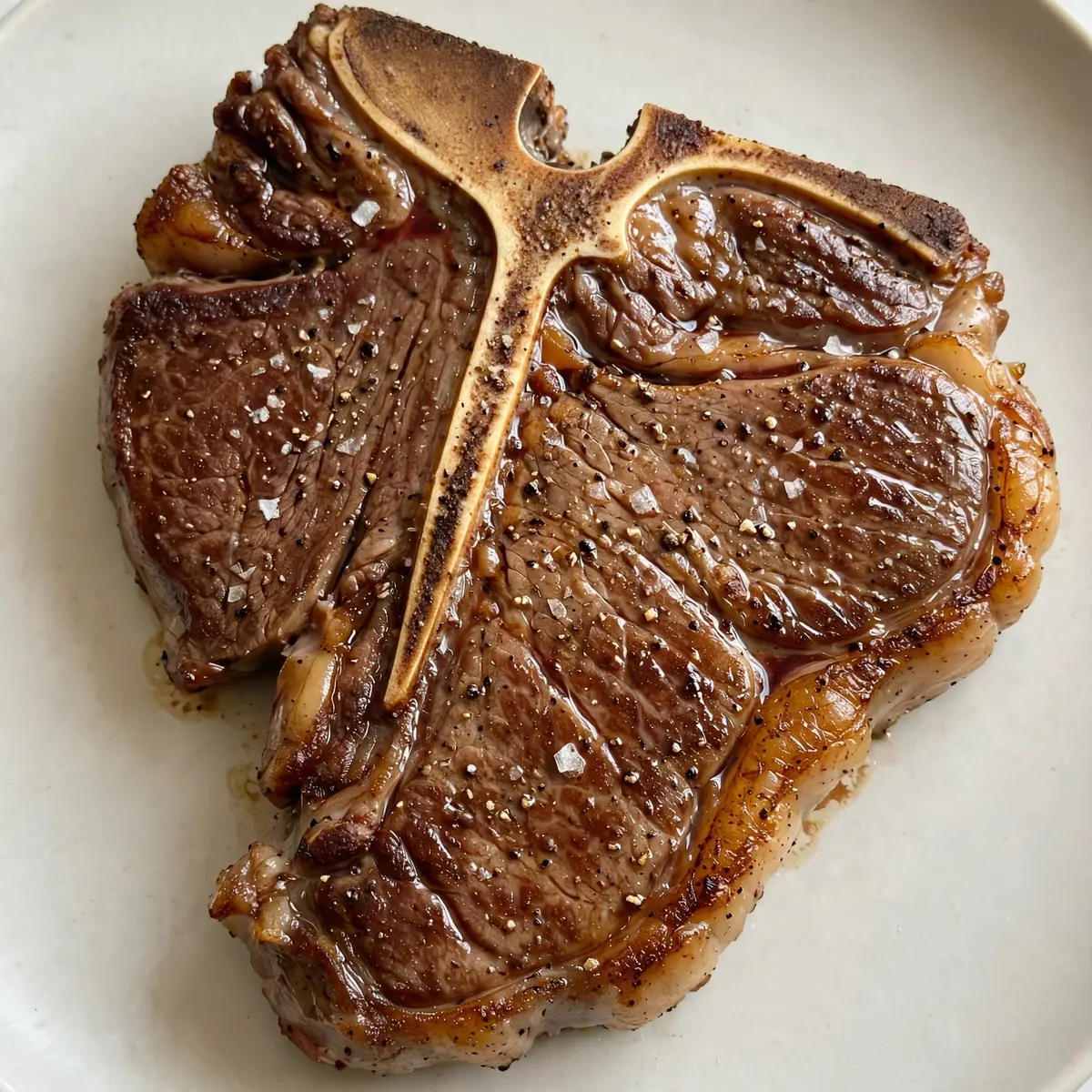
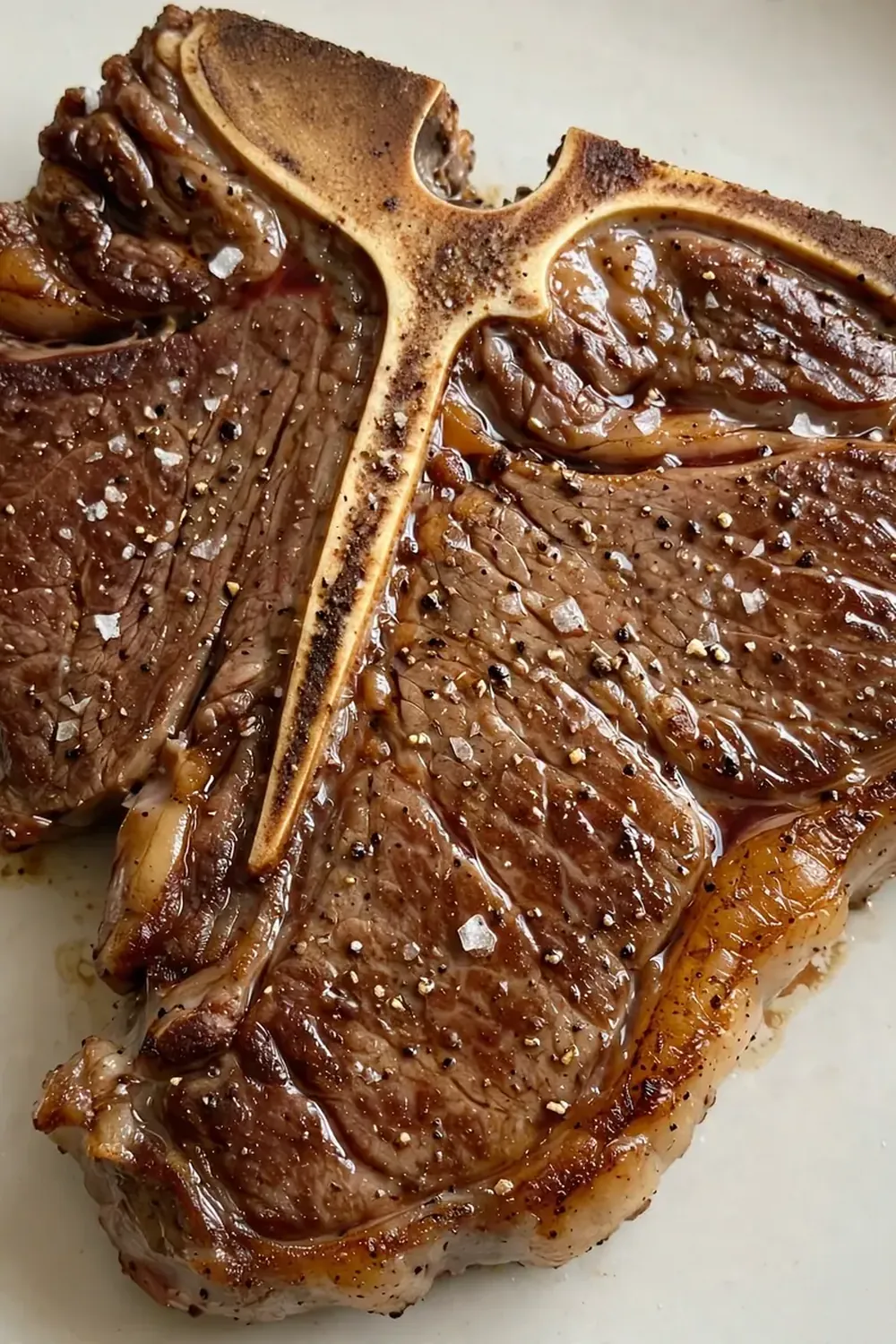
There’s something profoundly soothing about a quiet Saturday afternoon when the only agenda is a thick, marbled T-bone steak and the patient, rhythmic sizzle of a hot pan. I find the whole ritual—patting the meat dry, watching the butter turn golden, that first glorious hiss as the seasoned steak hits the iron—far more rewarding than any rushed weekday dinner. This is my go-to recipe when I need something quick but impressive, yet it feels like a proper weekend project, a slow, sensory meditation on good food that fills the kitchen with the rich, nutty aroma of seared beef and leaves you with a perfect crust and a blushing, tender centre.
Recipe Overview
- Prep Time: 15 minutes (plus 30 minutes resting time)
- Cook Time: 12 minutes
- Total Time: 1 hour
- Servings: 2 generous portions
- Difficulty: Medium
Why You’ll Love This Perfect Pan-Seared T-Bone Steak
- Restaurant-quality finish at home: That deep, mahogany crust and a tender, juicy interior are achievable with a simple pan and a bit of patience.
- Sensory cooking experience: The pop of the oil, the sizzle of the meat, the fragrant garlic and thyme—this recipe is as much about the process as the delicious result.
- Two cuts in one: The T-bone gives you the tenderness of a fillet on one side and the robust, beefy flavour of a sirloin on the other—the best of both worlds.
- Perfect for a cosy weekend: It slows you down, focuses your senses, and turns a simple meal into a comforting, mindful project.
- Endlessly adaptable: Once you master the basic technique, you can play with different herb butters or pan sauces to suit your mood.
Ingredients You’ll Need
- 2 T-bone steaks, about 3-4 cm thick (roughly 350g each)
- 1 tablespoon neutral oil (like rapeseed or sunflower)
- 40g unsalted butter
- 4 cloves garlic, lightly crushed (skin on is fine)
- 4 sprigs fresh thyme
- 2 sprigs fresh rosemary
- Flaky sea salt, to taste
- Freshly cracked black pepper, to taste
Tip: Take your steaks out of the fridge 30 minutes before cooking to let them come up to room temperature. This ensures they cook evenly, right through to the centre, without the outside burning before the inside is done.
How to Make Perfect Pan-Seared T-Bone Steak
- Prepare the steaks. Pat the T-bone steaks thoroughly dry with kitchen paper. You want the surface as dry as possible—moisture is the enemy of a good sear. Season generously on all sides with flaky sea salt and freshly cracked black pepper. Let them sit on a plate while you get the pan ready.
- Heat the pan. Place a heavy-bottomed frying pan (cast iron is ideal) over a high heat. Add the neutral oil and swirl to coat the base. Wait until you see the first wisp of smoke rising from the oil—this is your cue that the pan is screaming hot and ready for the steaks.
- Lay down the steaks. Carefully lower the steaks into the pan, laying them away from you to avoid any splatter. You should hear an immediate, vigorous sizzle—the sound of a perfect sear beginning. Press down gently with a pair of tongs to ensure maximum contact with the pan.
- Sear the first side. Cook for 4 minutes without moving the steaks. You’ll see the edges turning a deep, dark brown and the meat shrinking slightly away from the bone. The aroma that rises is pure, beefy comfort.
- Flip and baste. Flip the steaks using your tongs. The cooked side should be a rich, golden-brown crust. Immediately add the butter, crushed garlic, thyme, and rosemary to the pan. Tilt the pan slightly so the melted butter pools at one edge. Using a metal spoon, baste the steaks continuously with the foaming, herb-flecked butter for another 4 minutes. The butter will smell nutty and the herbs will release their oils.
- Check for doneness. For medium-rare, the internal temperature should read 52-54°C. For medium, aim for 57-60°C. Insert the thermometer into the thickest part of the steak, away from the bone. If you don’t have a thermometer, use the finger test: press the centre of the steak; for medium-rare, it should feel like the fleshy part of your palm when you touch your thumb and index finger together.
- Rest the steaks. Transfer the steaks to a warm plate or a wire rack set over a tray. Pour the herb butter from the pan over the top. Loosely cover with foil and let them rest for a full 10 minutes. This is non-negotiable—it allows the juices to redistribute evenly throughout the meat so they stay inside the steak, not pooling on your plate.
- Serve. Slice the meat away from the bone, cut against the grain into thick strips, and serve immediately with a final sprinkle of flaky salt.
Tips From My Kitchen
- Start with a dry steak: Moisture on the surface turns to steam in the pan, which prevents the Maillard reaction—the chemical process that gives you that deep, savoury crust. Pat the steak dry, then season it at least 15 minutes before cooking so the salt draws out any remaining surface moisture.
- Don’t be shy with the salt: A generous layer of flaky sea salt isn’t just for flavour; it helps draw moisture to the surface, which then evaporates, leaving you with a drier, better-searing surface. Use about a teaspoon per steak.
- Use a heavy pan: A thin pan loses heat too quickly when you add a cold steak, leading to a grey, steamed-looking finish rather than a crust. A cast-iron or heavy stainless-steel pan holds its heat, giving you that consistent, energetic sizzle from start to finish.
- Baste with the butter: Basting isn’t just for show—it cooks the top of the steak while the bottom sears, ensuring even cooking without having to flip it again and again. The foaming butter also carries the flavour of the garlic and herbs directly into the meat’s surface.
- Rest, rest, rest: If you cut into the steak straight from the pan, all the pressurised juices will flood out onto your chopping board, leaving you with a dry steak. That 10-minute rest is the single most important step for a juicy result.
Equipment You’ll Need
- Heavy-bottomed frying pan (cast iron is best)
- Meat thermometer
- Tongs
- Metal spoon for basting
Common Mistakes to Avoid
- Overcrowding the pan: If you put two steaks in a pan that’s too small, they’ll steam instead of sear because they release moisture. The pan temperature drops, and you lose that all-important sizzle. Always leave at least 2-3 cm of space between each steak. If your pan is small, cook them one at a time.
- Wrong temperature: A pan that’s not hot enough will leave you with a grey, tough steak. But a pan that’s too hot will burn the outside before the inside is cooked. The ideal is a high heat that produces a steady, aggressive sizzle, but not so high that the butter burns the moment you add it. If you see black smoke, turn the heat down slightly.
- Skipping the rest time: I know it’s tempting to dig in, but cutting into a steak straight from the pan is a common mistake. The muscle fibres are still contracted from the heat, and the juices are forced out. Resting allows the fibres to relax and reabsorb the moisture, so every bite is tender and juicy.
Delicious Variations to Try
- Spicy Version: Add a dried chilli or a pinch of cayenne pepper to the butter during basting. The heat infuses the fat and gives the crust a gentle, warming kick that contrasts beautifully with the rich beef.
- Vegetarian/Vegan Option: For a plant-based twist, use a thick portobello mushroom cap or a slab of halloumi (if you eat dairy). Sear them in the same way, basting with a herb-infused olive oil instead of butter. The mushroom will develop a fantastic, meaty texture and deep umami flavour.
- Different Protein: This pan-searing and basting technique works beautifully with other cuts. Try it with a thick rib-eye, a sirloin, or even a lamb leg steak. The cooking times will vary depending on thickness, but the method—hot pan, dry surface, butter baste—remains the same.
What to Serve With Perfect Pan-Seared T-Bone Steak
- Creamy mashed potatoes or crispy roast potatoes
- A simple green salad with a sharp vinaigrette to cut through the richness
- Grilled asparagus or tenderstem broccoli
- A side of homemade chips
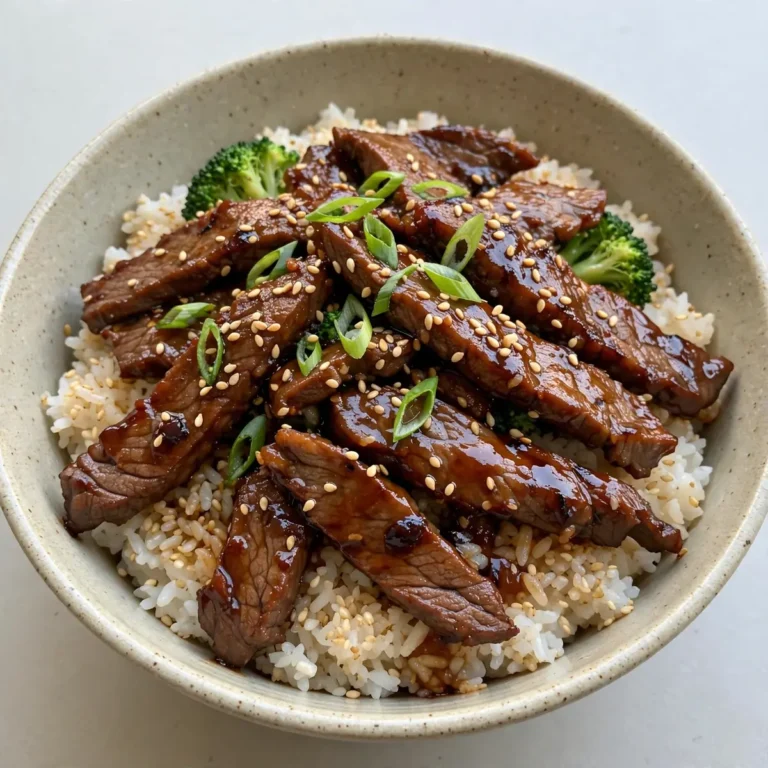
For a complete meal, I often pair it with a dish like Savory Beef And Broccoli Stir Fry Recipe for a different take on beef, or keep it light with a Light Tuna Salad Wrap Olive Oil on the side for a contrast in textures.
Still hungry for ideas? You might also love Perfectly Pan Seared Mahi Mahi Fillets, Pan Seared Mahi Mahi Fish Fresh Dinner from our sister kitchens.
Frequently Asked Questions
Perfect Pan-Seared T-Bone Steak
Ingredients
Method
- Prepare the steaks. Pat the T-bone steaks thoroughly dry with kitchen paper. You want the surface as dry as possible—moisture is the enemy of a good sear. Season generously on all sides with flaky sea salt and freshly cracked black pepper. Let them sit on a plate while you get the pan ready.
- Heat the pan. Place a heavy-bottomed frying pan (cast iron is ideal) over a high heat. Add the neutral oil and swirl to coat the base. Wait until you see the first wisp of smoke rising from the oil—this is your cue that the pan is screaming hot and ready for the steaks.
- Lay down the steaks. Carefully lower the steaks into the pan, laying them away from you to avoid any splatter. You should hear an immediate, vigorous sizzle—the sound of a perfect sear beginning. Press down gently with a pair of tongs to ensure maximum contact with the pan.
- Sear the first side. Cook for 4 minutes without moving the steaks. You’ll see the edges turning a deep, dark brown and the meat shrinking slightly away from the bone. The aroma that rises is pure, beefy comfort.
- Flip and baste. Flip the steaks using your tongs. The cooked side should be a rich, golden-brown crust. Immediately add the butter, crushed garlic, thyme, and rosemary to the pan. Tilt the pan slightly so the melted butter pools at one edge. Using a metal spoon, baste the steaks continuously with the foaming, herb-flecked butter for another 4 minutes. The butter will smell nutty and the herbs will release their oils.
- Check for doneness. For medium-rare, the internal temperature should read 52-54°C. For medium, aim for 57-60°C. Insert the thermometer into the thickest part of the steak, away from the bone. If you don’t have a thermometer, use the finger test: press the centre of the steak; for medium-rare, it should feel like the fleshy part of your palm when you touch your thumb and index finger together.
- Rest the steaks. Transfer the steaks to a warm plate or a wire rack set over a tray. Pour the herb butter from the pan over the top. Loosely cover with foil and let them rest for a full 10 minutes. This is non-negotiable—it allows the juices to redistribute evenly throughout the meat so they stay inside the steak, not pooling on your plate.
- Serve. Slice the meat away from the bone, cut against the grain into thick strips, and serve immediately with a final sprinkle of flaky salt.
Notes
I make this at least once a week – it’s become a family favourite. The quiet focus of the process, the scent of herbs and butter filling the house, and that first, perfect bite of a properly seared steak—it’s the kind of weekend comfort that reminds you why slowing down in the kitchen is always worth it. I’d love to hear how yours turns out. Drop your questions or your own tips in the comments below.