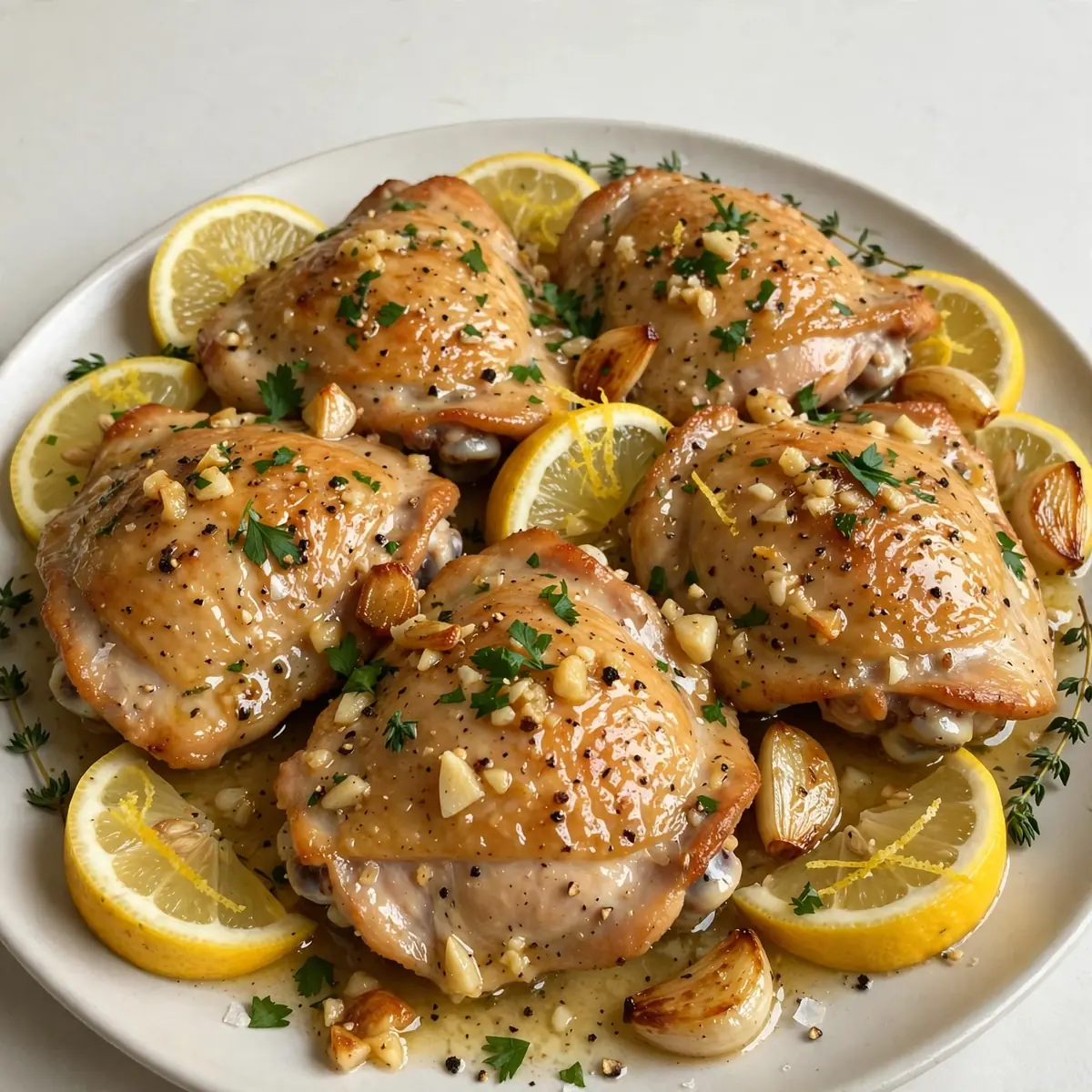
Ingredients
Method
- Prepare the chicken and preheat your oven. Set your oven to 200°C (180°C fan). Pat the chicken thighs thoroughly dry with kitchen paper – this is the single most important step for crispy skin. Season them generously on both sides with the salt, pepper, and smoked paprika, if using. Let them rest at room temperature for ten minutes while the pan heats up. You should see the salt begin to draw a little moisture from the skin, which you can blot away.
- Sear the skin to a deep gold. Place a large, ovenproof skillet (preferably cast iron) over medium-high heat and add the olive oil. When the oil shimmers and you see the faintest wisp of smoke, lay the chicken thighs in the pan, skin-side down. Do not crowd them – work in batches if necessary. Listen for that immediate, sharp sizzle. Let them cook undisturbed for 6-7 minutes. The skin will transform from pale and flabby to a deep amber, crackled and crisp. The edges will look lacy and dark. Flip the thighs and cook for another 3 minutes on the flesh side, just until browned. Transfer them to a plate; the pan will be hot and fragrant with browned bits.
- Build the butter sauce. Reduce the heat to medium. Add the butter to the skillet. Watch it melt and foam, then turn a gentle nutty brown – this takes about a minute. Toss in the sliced garlic and the fresh thyme and rosemary. Stir constantly for 30 seconds. The garlic should soften and become fragrant, but not colour beyond pale gold. The smell at this stage is intoxicating: herbal, buttery, and warm. Pour in the chicken stock, lemon juice, and lemon zest. Stir with a wooden spoon, scraping up all those browned bits from the bottom of the pan – that’s where the flavour lives. Let the sauce bubble and reduce for 2 minutes, until it looks slightly thickened and glossy.
- Nestle the chicken and lemon slices. Return the chicken thighs to the skillet, skin-side up, arranging them snugly. Tuck the lemon slices between the thighs. Spoon some of the buttery sauce over the top of each piece of chicken. The liquid should come about a third of the way up the sides of the chicken – if it looks too shallow, add a splash more stock.
- Roast until tender and golden. Transfer the skillet to the preheated oven. Roast for 25-30 minutes. Halfway through, baste the chicken with the pan juices using a large spoon. You’ll see the skin darken further and the sauce around the edges bubble and reduce. The chicken is ready when the internal temperature reaches 74°C at the thickest part, or when the juices run clear when you pierce the thigh with a skewer. The meat should feel tender, almost pulling away from the bone with a gentle nudge.
- Rest and finish. Remove the skillet from the oven and let it rest for 5 minutes. This allows the juices to redistribute so every bite is succulent. Scatter over the chopped fresh parsley. The sauce will have thickened into a rich, buttery, lemony glaze that coats the back of a spoon. Spoon it over the chicken one last time before serving.
Notes
For best results, pat chicken very dry before seasoning to ensure crispy skin. Use an ovenproof skillet, preferably cast iron. Low-sodium chicken stock is recommended to control salt levels.