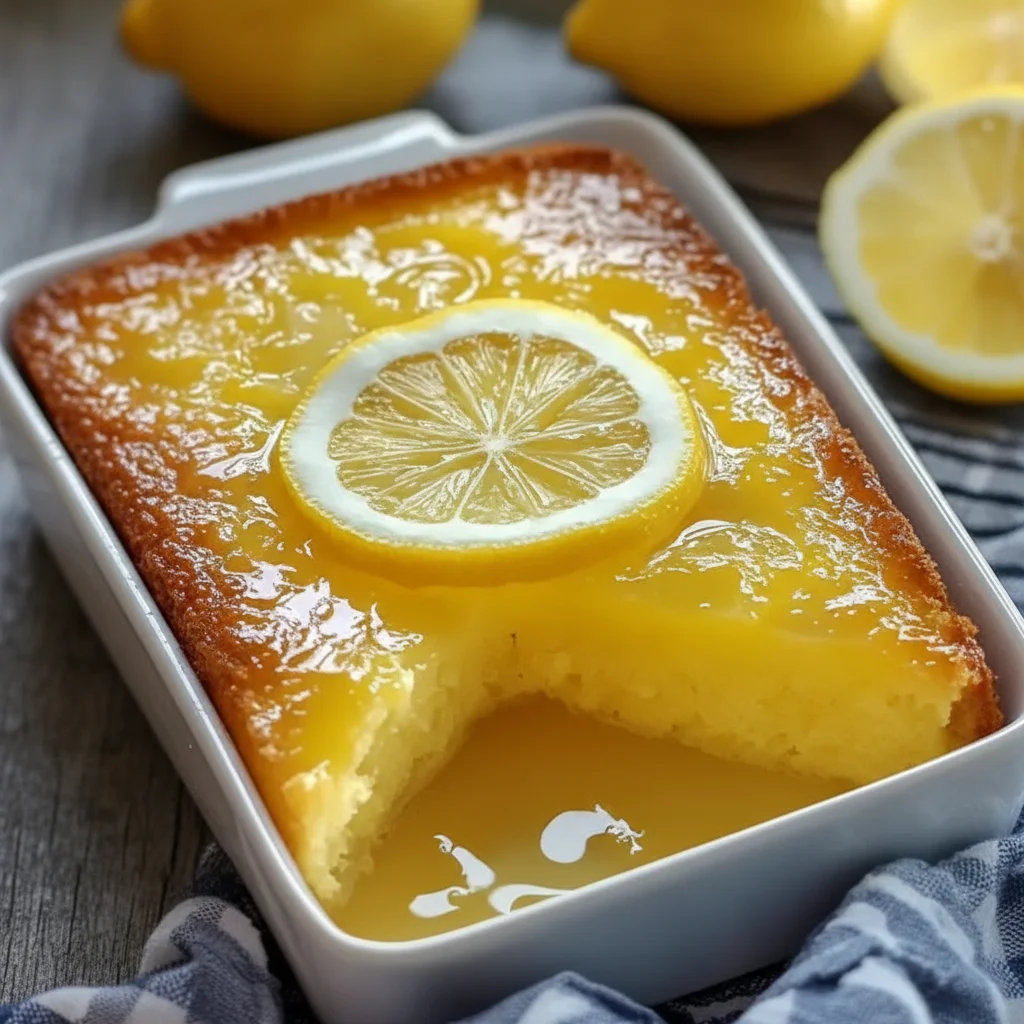
Ingredients
Method
- Preheat your oven to 180°C (160°C fan) and grease and line a 900g (2lb) loaf tin with baking parchment.
- In a large bowl, or the bowl of a stand mixer, beat the softened butter and caster sugar together for 5-7 minutes. What works best for me is to keep going until the mixture is very pale, light, and fluffy. This step is vital for the cake's texture. For a deep dive into this technique, BBC Good Food has a great guide.
- Add the lemon zest and mix it in briefly.
- Lightly whisk the eggs in a separate jug. Add them to the butter mixture one at a time, beating well after each addition. If the mixture looks like it might be splitting, add a tablespoon of your measured flour with the last egg.
- Sift the self-raising flour and baking powder into the bowl. Using a large metal spoon or spatula, gently fold the flour into the wet ingredients. Be careful not to overmix; stop as soon as you can't see any more flour streaks.
- Gently fold in the milk or natural yoghurt to loosen the batter slightly. It should have a soft, dropping consistency.
- Spoon the batter into your prepared loaf tin and level the surface with the back of a spoon.
- Bake in the preheated oven for 45-50 minutes. To check if it's cooked, insert a skewer into the centre of the cake – it should come out clean.
- While the cake is baking, prepare the drizzle. Simply mix the granulated sugar and lemon juice together in a small bowl until the sugar is damp.
- Once the cake is out of the oven, let it cool in the tin for 10 minutes. Then, while it's still warm, poke holes all over the top with a skewer. Slowly and evenly, pour the lemon drizzle over the cake, allowing it to soak into the sponge.
- Leave the cake to cool completely in the tin before turning it out. The drizzle will set to a lovely, crisp finish.
Notes
Store in an airtight container at room temperature for up to 3 days. The cake is best enjoyed the day after it is baked.