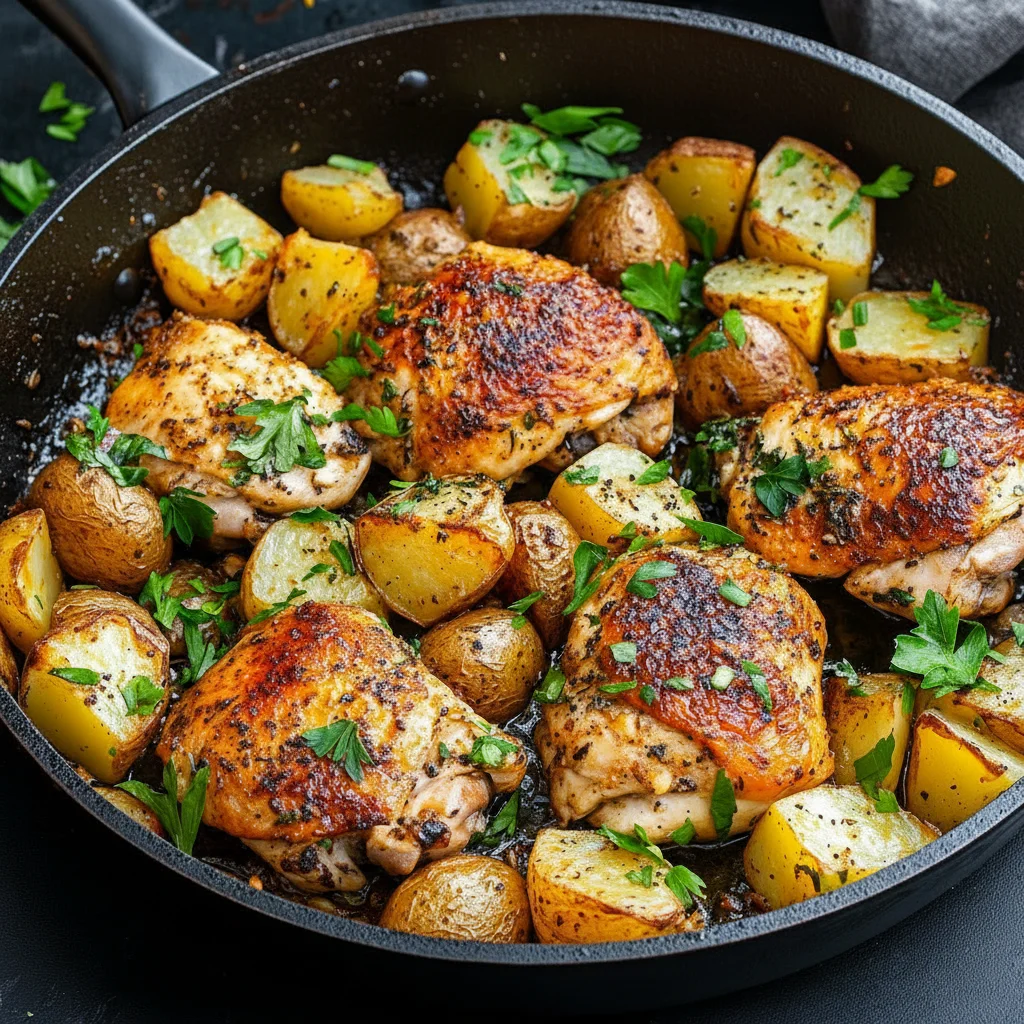
Ingredients
Method
- Prepare the Chicken: Pat the chicken breasts completely dry with a paper towel. This is crucial for getting a good sear. In a shallow bowl, mix together the plain flour, salt, and pepper. Lightly dredge each chicken breast in the flour mixture, shaking off any excess.
- Sear the Chicken: Place a large, heavy-bottomed frying pan or cast-iron skillet over a medium-high heat. Add the olive oil. Once the oil is shimmering, carefully place the chicken breasts in the pan. Cook for 5-7 minutes on each side, without moving them too much, until they are golden brown and cooked through. The internal temperature should reach 74°C. Remove the chicken from the pan and set it aside on a plate.
- Start the Sauce: Reduce the heat to medium-low. Add the butter to the same skillet. Once it has melted and is foaming gently, add the minced garlic and optional red pepper flakes. Sauté for about 60 seconds, stirring constantly, until the garlic is fragrant. Be very careful not to let it burn, as it will become bitter.
- Deglaze the Pan: Pour in the chicken stock and fresh lemon juice. Use a wooden spoon to scrape up any browned bits (the fond) from the bottom of the pan. These bits are packed with flavour and will enrich your sauce.
- Simmer and Reduce: Bring the sauce to a gentle simmer and let it cook for 2-3 minutes, allowing it to reduce slightly and the flavours to meld together.
- Bring It All Together: Return the seared chicken breasts to the skillet, along with any juices that have collected on the plate. Spoon the garlic butter sauce over the chicken to coat it completely. Let it warm through for another minute. What works best for me is tilting the pan slightly to easily spoon the sauce over the top.
- Finish and Serve: Turn off the heat and stir in the chopped fresh parsley. Serve the Garlic Butter Chicken immediately, with extra sauce spooned over the top.
Notes
Serve immediately with pasta, mashed potatoes, or crusty bread to soak up the delicious garlic butter sauce. For best results, pat the chicken completely dry before dredging in flour.