Moist Zesty Lemon Cake
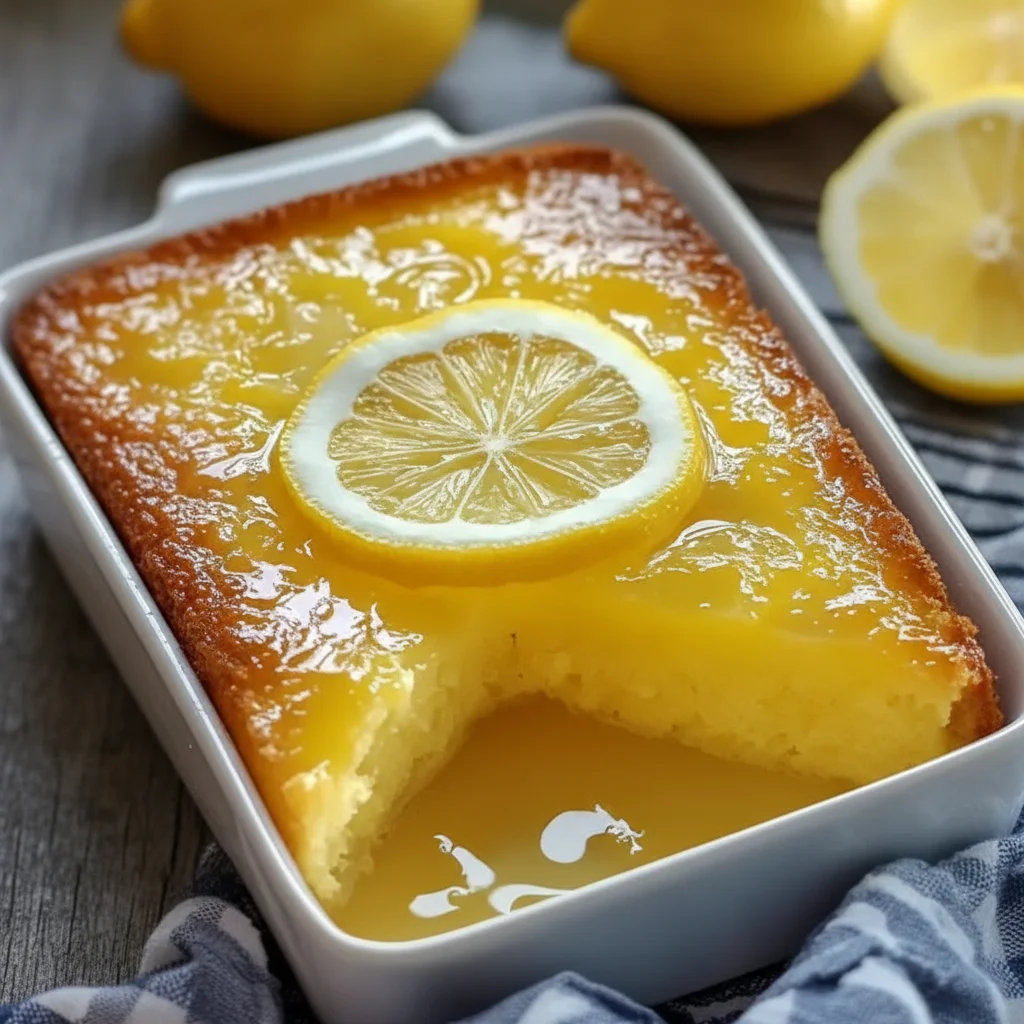
There’s something uniquely cheerful about a lemon cake. The moment you start zesting the lemons, that bright, sharp scent fills the kitchen and promises something truly wonderful is on its way. This isn’t just any lemon cake recipe; it’s the result of many happy afternoons spent tweaking and tasting. After testing this recipe five times, I finally got it just right, achieving that perfect balance between a soft, buttery crumb and a zesty, tangy kick that makes your taste buds sing.
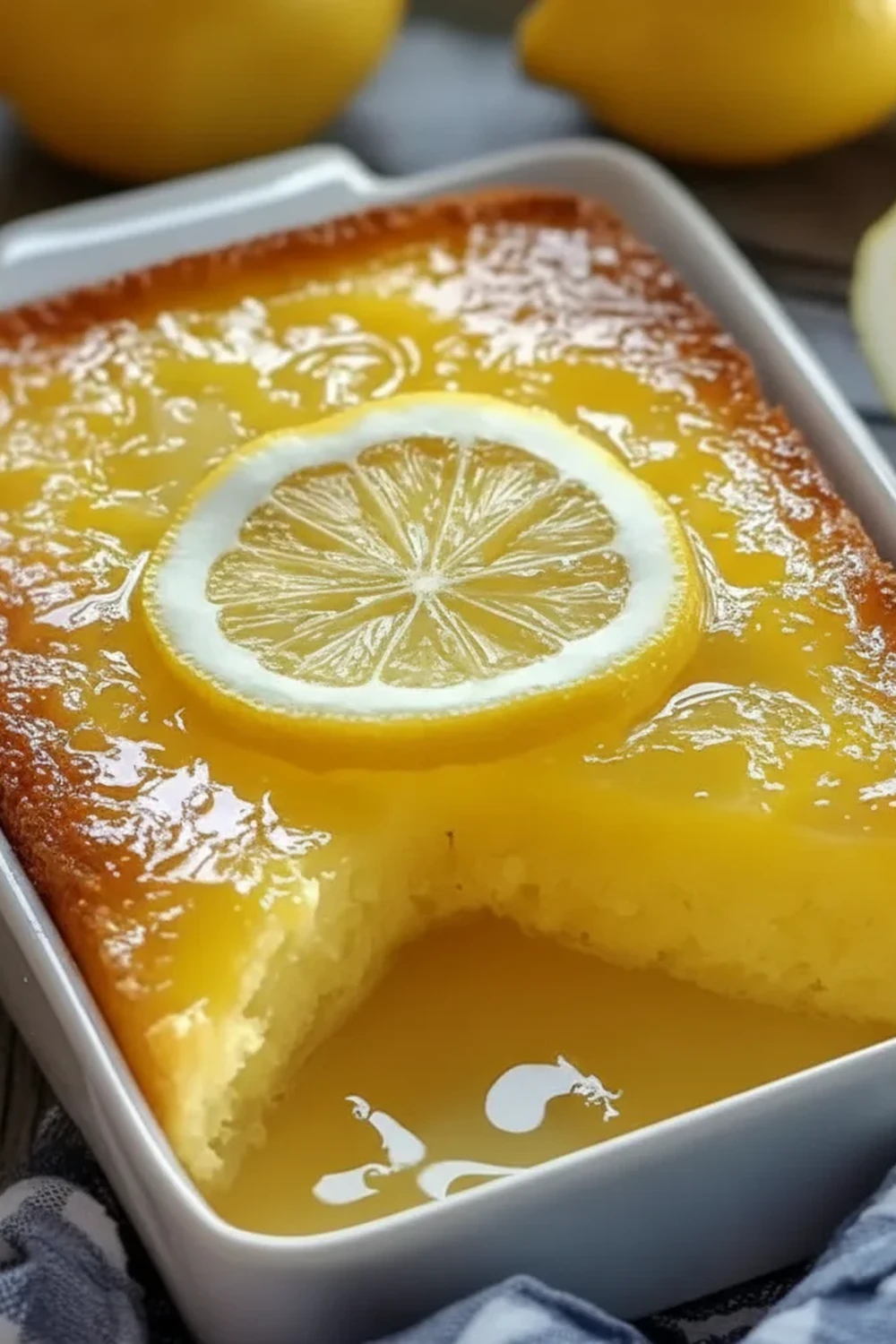
What I adore about this particular bake is its texture. It’s incredibly moist, thanks to a simple lemon syrup that we pour over the cake while it’s still warm, ensuring every single bite is saturated with flavour. It’s a straightforward, unpretentious cake that doesn’t rely on fancy icings or complicated layers. Its beauty lies in its simplicity and the pure, vibrant taste of fresh lemons. It’s the kind of dessert that feels special enough for an occasion but is so satisfyingly simple to make that you’ll find any excuse to bake it.
This citrus dessert is ideal for a sunny afternoon tea in the garden, a welcome addition to a weekend brunch, or simply as a pick-me-up with a cup of tea. It always gets compliments whenever I take it to a friend’s house. If you love bakes that are light, refreshing, and packed with genuine flavour, you are going to fall head over heels for this lemon cake.
Recipe Overview
This recipe creates a wonderfully moist lemon cake with a tender crumb, drenched in a zesty lemon drizzle that forms a delicate, crunchy crust on top. The flavour is bright and unapologetically citrus-forward, balanced by the rich, buttery sponge. After some experimenting, I found that using both the zest and the juice provides the most intense and well-rounded lemon flavour throughout the cake.
- Prep Time: 20 minutes
- Cook Time: 45-50 minutes
- Total Time: 1 hour 10 minutes
- Servings: 8-10 slices
- Difficulty: Medium
Why You’ll Love This Lemon Cake
- Intense Lemon Flavour: We use the zest and juice of two whole lemons, so the bright, authentic citrus taste is present in every single bite, from the moist cake crumb to the crackly glaze.
- Ready in Just Over an Hour: The whole process, from mixing the batter to pulling a golden loaf from the oven, comes together in about 70 minutes.
- A Versatile Bake: This recipe is a brilliant base. Try adding a tablespoon of poppy seeds for a lovely texture, or swap the lemon for orange or even lime for a different citrus dessert experience.
- Great for Gatherings: It works beautifully for a bake sale, a casual get-together with friends, or as a lovely dessert after a light meal like my Savory Garlic Butter Shrimp.
- Family Tested and Approved: I’ve been making this for over 2 years, and it never disappoints. My husband, who isn’t a huge dessert fan, always asks for a second slice of this one!
Ingredients You’ll Need
For a truly spectacular lemon cake, using good quality, room temperature ingredients is key. I always opt for unsalted butter, as it gives us full control over the salt content. For the flour, any standard self-raising flour will do the job beautifully.
- For the Lemon Cake:
- 225g unsalted butter, softened
- 225g caster sugar
- 4 large free-range eggs
- Zest of 2 large, unwaxed lemons
- 225g self-raising flour
- 1 tsp baking powder
- 4 tbsp milk or natural yoghurt
- For the Lemon Drizzle:
- 100g granulated sugar
- Juice of 2 large lemons (the ones you zested)
Elena’s Tip: Make sure your butter, eggs, and milk are all at room temperature before you begin. This helps the ingredients emulsify properly, creating a smooth batter and a light, even crumb in your finished moist cake.
How to Make Lemon Cake
The process for this lemon dessert is quite methodical, but each step plays a crucial role. The most important part is creaming the butter and sugar properly – this is what incorporates air and gives the cake its light texture. Take your time with it!
- Preheat your oven to 180°C (160°C fan) and grease and line a 900g (2lb) loaf tin with baking parchment.
- In a large bowl, or the bowl of a stand mixer, beat the softened butter and caster sugar together for 5-7 minutes. What works best for me is to keep going until the mixture is very pale, light, and fluffy. This step is vital for the cake’s texture. For a deep dive into this technique, BBC Good Food has a great guide.
- Add the lemon zest and mix it in briefly.
- Lightly whisk the eggs in a separate jug. Add them to the butter mixture one at a time, beating well after each addition. If the mixture looks like it might be splitting, add a tablespoon of your measured flour with the last egg.
- Sift the self-raising flour and baking powder into the bowl. Using a large metal spoon or spatula, gently fold the flour into the wet ingredients. Be careful not to overmix; stop as soon as you can’t see any more flour streaks.
- Gently fold in the milk or natural yoghurt to loosen the batter slightly. It should have a soft, dropping consistency.
- Spoon the batter into your prepared loaf tin and level the surface with the back of a spoon.
- Bake in the preheated oven for 45-50 minutes. To check if it’s cooked, insert a skewer into the centre of the cake – it should come out clean.
- While the cake is baking, prepare the drizzle. Simply mix the granulated sugar and lemon juice together in a small bowl until the sugar is damp.
- Once the cake is out of the oven, let it cool in the tin for 10 minutes. Then, while it’s still warm, poke holes all over the top with a skewer. Slowly and evenly, pour the lemon drizzle over the cake, allowing it to soak into the sponge.
- Leave the cake to cool completely in the tin before turning it out. The drizzle will set to a lovely, crisp finish.
Tips From My Kitchen
- Temperature is Everything: I can’t stress this enough – room temperature ingredients are non-negotiable for a smooth batter. Cold eggs hitting softened butter can cause the mixture to curdle instantly. If you forget to take them out, you can place eggs in a bowl of warm water for 10 minutes.
- The Secret to a Moist Cake: I learned that applying the drizzle while the cake is still warm is the absolute key. The warmth helps the sponge absorb the lemony syrup right down to the bottom, ensuring it’s a truly moist cake all the way through.
- Make-Ahead Magic: This cake is a great contender for making ahead. You can bake the sponge a day in advance, let it cool completely, and wrap it tightly in cling film. Prepare and pour over the drizzle a few hours before you plan to serve it.
- Proper Storage: Store the finished lemon cake in an airtight container at room temperature. It will stay wonderfully fresh and moist for up to 3 days. I find it gets even stickier and more delicious on day two!
Equipment You’ll Need
- 900g (2lb) loaf tin
- Stand mixer or a large bowl and electric hand mixer
- Baking parchment
- Sieve
- Skewer or cocktail stick
- Wire cooling rack
Common Mistakes to Avoid
- Over-mixing After Adding Flour: Once you add the flour, you’re developing gluten. If you beat the batter vigorously at this stage, you’ll end up with a tough, dense cake. Fold it in gently with a spatula only until the flour is just combined.
- Using Bottled Lemon Juice: For the best, brightest flavour, fresh lemons are a must. Bottled juice lacks the vibrant, aromatic oils found in fresh juice and zest, and your lemon dessert will taste noticeably less fresh.
- Skipping the Sifting Step: Sifting the flour and baking powder does more than just remove lumps. It aerates the flour, which contributes to a lighter, more delicate crumb. It only takes a minute and makes a real difference.
What to Serve With Lemon Cake
This lemon cake is truly delightful on its own, but a few simple accompaniments can elevate it further. It’s the perfect sweet finish after a flavourful main course like Smoky Grilled Chicken Skewers.
- Clotted Cream or Crème Fraîche: A generous dollop of thick, rich clotted cream or tangy crème fraîche beautifully cuts through the sweetness of the drizzle.
- Fresh Berries: A handful of fresh raspberries or blueberries alongside a slice provides a lovely colour contrast and a burst of juicy flavour that complements the lemon.
- A Good Cup of Tea: You can’t go wrong with a classic pairing. A fragrant cup of Earl Grey tea, with its own citrus notes of bergamot, is a wonderful match.
Frequently Asked Questions
Lemon Cake
Ingredients
Method
- Preheat your oven to 180°C (160°C fan) and grease and line a 900g (2lb) loaf tin with baking parchment.
- In a large bowl, or the bowl of a stand mixer, beat the softened butter and caster sugar together for 5-7 minutes. What works best for me is to keep going until the mixture is very pale, light, and fluffy. This step is vital for the cake's texture. For a deep dive into this technique, BBC Good Food has a great guide.
- Add the lemon zest and mix it in briefly.
- Lightly whisk the eggs in a separate jug. Add them to the butter mixture one at a time, beating well after each addition. If the mixture looks like it might be splitting, add a tablespoon of your measured flour with the last egg.
- Sift the self-raising flour and baking powder into the bowl. Using a large metal spoon or spatula, gently fold the flour into the wet ingredients. Be careful not to overmix; stop as soon as you can't see any more flour streaks.
- Gently fold in the milk or natural yoghurt to loosen the batter slightly. It should have a soft, dropping consistency.
- Spoon the batter into your prepared loaf tin and level the surface with the back of a spoon.
- Bake in the preheated oven for 45-50 minutes. To check if it's cooked, insert a skewer into the centre of the cake – it should come out clean.
- While the cake is baking, prepare the drizzle. Simply mix the granulated sugar and lemon juice together in a small bowl until the sugar is damp.
- Once the cake is out of the oven, let it cool in the tin for 10 minutes. Then, while it's still warm, poke holes all over the top with a skewer. Slowly and evenly, pour the lemon drizzle over the cake, allowing it to soak into the sponge.
- Leave the cake to cool completely in the tin before turning it out. The drizzle will set to a lovely, crisp finish.
Notes
I truly hope this bright and zesty lemon cake brings a little bit of sunshine into your kitchen. It’s a reliable and rewarding bake that has brought me so much joy over the years. If you give it a try, I would absolutely love to hear how it turned out for you. Please leave a comment below and let me know!
Happy baking,
Elena Rodriguez