Veggie Pasta Primavera Recipe
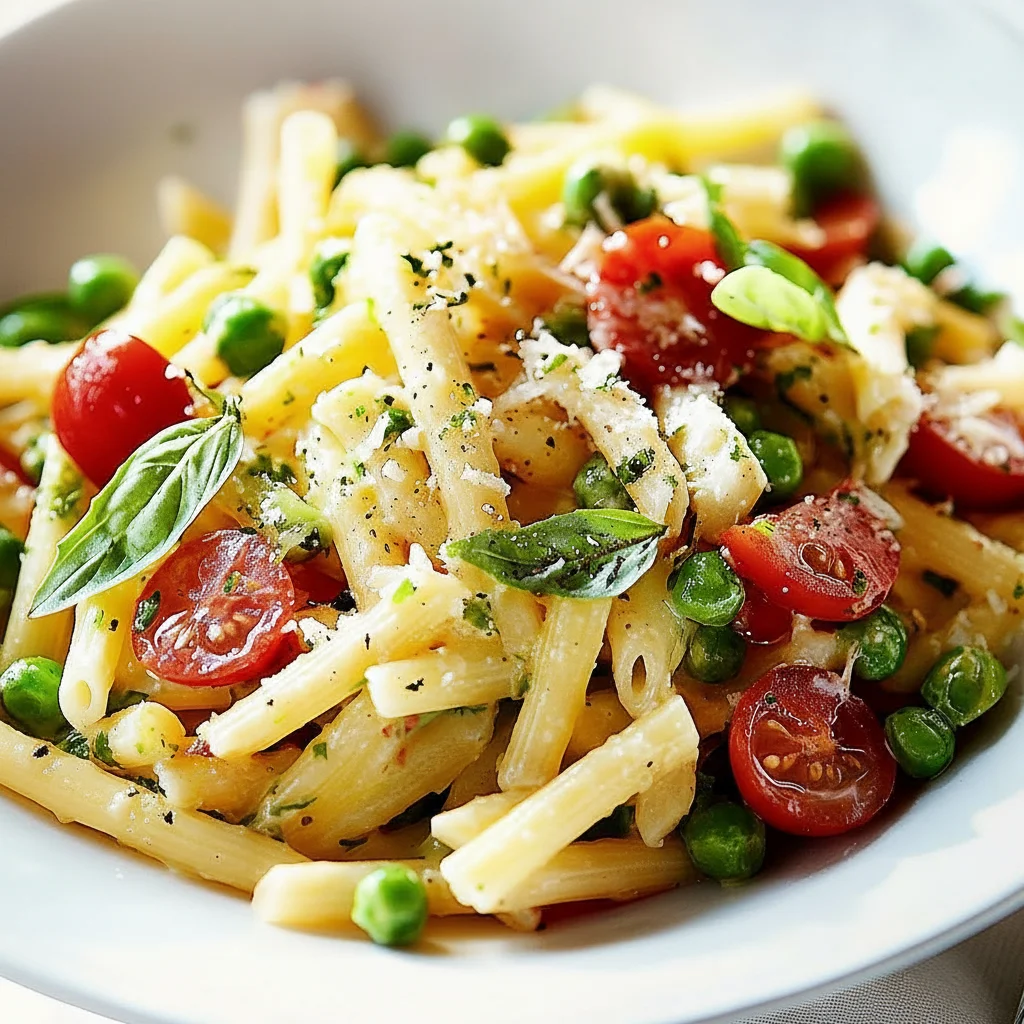
There’s something truly special about a dish that captures the essence of a season on a plate. For me, this Pasta Primavera is the taste of spring and summer combined. It’s a vibrant, fresh, and satisfying meal brimming with tender-crisp vegetables, all brought together in a light, creamy lemon-garlic sauce. It’s not a heavy, overpowering dish; instead, it lets the beautiful produce shine. This veggie pasta recipe is my go-to when the sun is out and I want something that feels both wholesome and a little bit indulgent.
This recipe has a special place in my heart. I stumbled upon this combination by accident one Tuesday, trying to use up leftover veg from the Sunday roast, and it’s been a hit ever since. The key is how we layer the vegetables, cooking them just enough so they retain their colour and a satisfying bite. It’s a wonderfully adaptable meal, great for using whatever you have in your crisper drawer. We’re not just boiling vegetables and mixing them with pasta; we’re creating layers of texture and flavour that make each forkful interesting.
This Primavera recipe is ideal for anyone looking for a substantial meat-free meal that doesn’t feel like a compromise. It works beautifully for a weeknight dinner when you want something nourishing that comes together in about 30 minutes, but it’s also elegant enough to serve to guests for a relaxed weekend lunch. It’s a dish that always gets compliments in my house, celebrating the simple goodness of fresh ingredients.
Recipe Overview
This Pasta Primavera recipe delivers a bowl of pasta that’s both light and satisfying. The flavour profile is fresh and zesty, with garlic and shallots providing a savoury base, lemon juice and zest adding a bright lift, and a touch of cream bringing it all together into a silky sauce. After testing this a few times, I found that blanching the harder vegetables for just a minute before adding them to the pan is the secret to achieving that perfect, uniform tender-crisp texture throughout.
- Prep Time: 15 minutes
- Cook Time: 15 minutes
- Total Time: 30 minutes
- Servings: 4 people
- Difficulty: Easy
Why You’ll Love This Pasta Primavera
- Genuine Flavour: The sauce is the star without being heavy. The light, lemony garlic sauce, enriched with a little double cream and starchy pasta water, coats every piece of pasta and vegetable. The freshly grated Parmesan adds a nutty, savoury finish that is just divine.
- Ready in 30 Minutes: From chopping the first vegetable to serving, this entire dish comes together in about 30 minutes. It’s a brilliant solution for those busy weeknights when you crave a home-cooked meal without spending hours in the kitchen.
- Flexible Recipe: This is a fantastic ‘clean out the fridge’ meal. Don’t have asparagus? Use green beans or tenderstem broccoli. No courgettes? Sliced bell peppers or mushrooms work wonderfully. You can truly make it your own based on what’s in season or what you have on hand.
- Great for a Light Supper: It’s substantial enough to be a main course but doesn’t leave you feeling overly full. This makes it a great choice for a warm evening meal, a sophisticated lunch, or when you simply want a break from heavier dishes like a Savory Beef And Broccoli Stir Fry Recipe.
- Family Tested: This recipe is genuinely one that everyone seems to love. My husband, who’s usually picky about veggie-centric dishes, asked for seconds the first time I made it! It’s a wonderful way to get a variety of vegetables onto the dinner table.
Ingredients You’ll Need
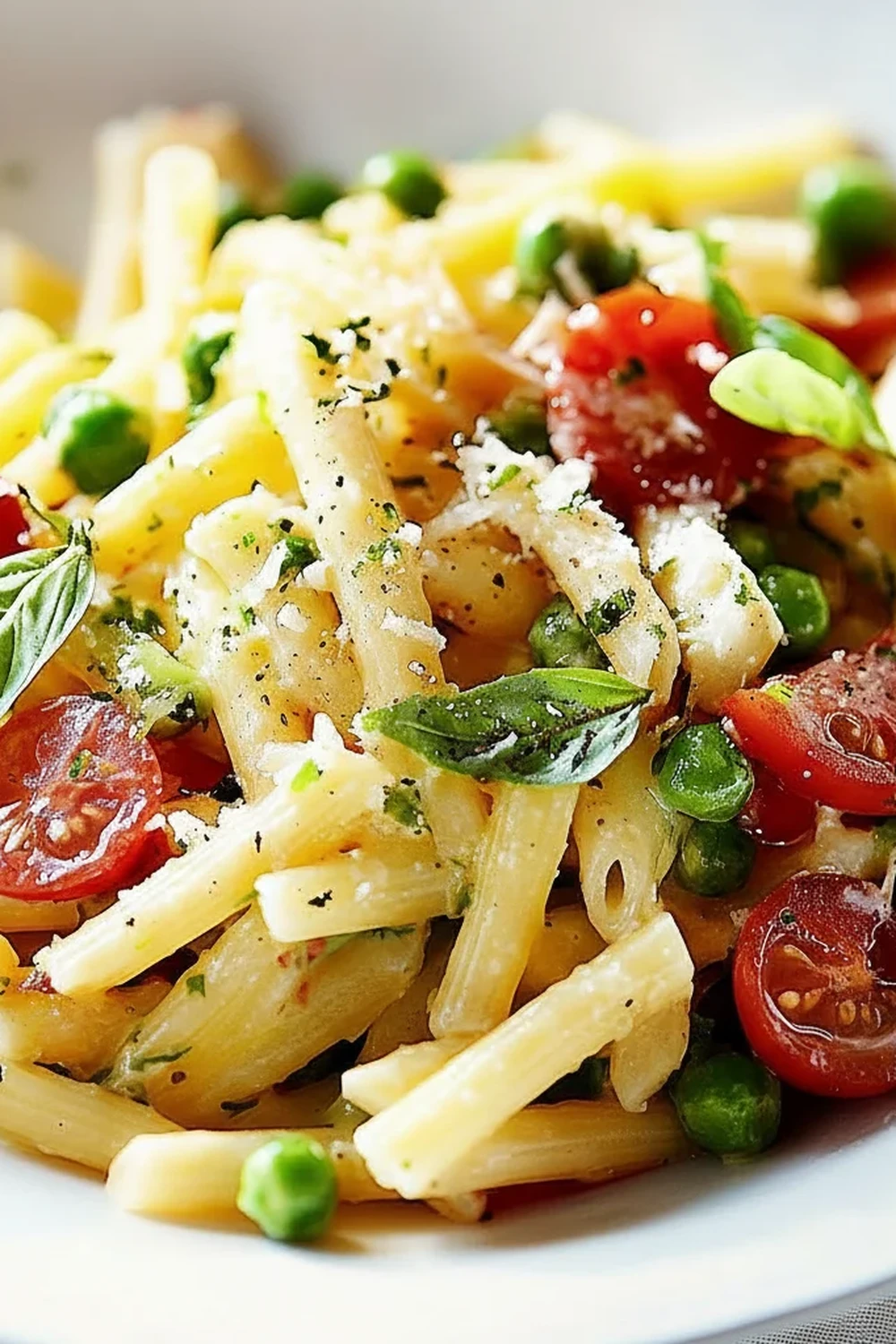
For this recipe, we’re using a classic combination of spring vegetables, but feel free to adapt. I always recommend using a good quality dried pasta; I personally like using De Cecco or Barilla for their excellent texture. The shape is up to you, but penne, fusilli, or farfalle are great as they have nooks and crannies to catch the delicious sauce.
- 400g dried pasta (penne or fusilli work well)
- 1 tbsp olive oil
- 2 tbsp unsalted butter
- 2 shallots, finely diced
- 3 cloves garlic, minced
- 150g asparagus, woody ends snapped off, cut into 2cm pieces
- 100g broccoli florets, cut into small, bite-sized pieces
- 1 medium courgette, topped, tailed, and diced
- 150g frozen peas
- 125ml double cream
- 80g Parmesan cheese, finely grated, plus extra for serving
- Zest and juice of 1 small lemon
- A small handful of fresh flat-leaf parsley, chopped
- A small handful of fresh basil leaves, torn
- Salt and freshly ground black pepper to taste
Elena’s Tip: Please use a block of proper Parmigiano-Reggiano and grate it yourself. The pre-grated kind often contains anti-caking agents which can prevent the cheese from melting smoothly, sometimes resulting in a grainy sauce.
How to Make Pasta Primavera
The process for this veggie pasta is straightforward. The key is to have all your ingredients prepped and ready to go (a ‘mise en place’, as the chefs say!) because the cooking process moves along at a good pace. We’ll cook the pasta and vegetables simultaneously to save time.
- Cook the Pasta: Bring a large pot of well-salted water to a rolling boil. Add the pasta and cook according to package directions until al dente (firm to the bite). Before draining, reserve about 250ml (a good mugful) of the starchy pasta water. Drain the pasta and set aside.
- Blanch the Veggies: While the pasta is cooking, bring another smaller pan of water to the boil. Add the asparagus pieces and broccoli florets and blanch for just 60-90 seconds until they turn bright green but are still crisp. Immediately drain and run them under cold water to stop the cooking process. Set aside. This step ensures they don’t get mushy in the final dish.
- Sauté the Aromatics: In a large, deep frying pan or sauté pan, melt the butter with the olive oil over a medium heat. Add the finely diced shallots and cook gently for 3-4 minutes until softened and translucent, but not browned.
- Cook the Vegetables: Add the minced garlic to the pan and cook for another minute until fragrant. Be careful not to let it burn. Tip in the diced courgette and cook for 3-4 minutes, stirring occasionally, until it begins to soften.
- Add the Blanched Greens: Add the blanched asparagus and broccoli, along with the frozen peas, to the pan. Stir everything together and cook for another 2 minutes until the peas are hot.
- Create the Sauce: Pour in the double cream and about 120ml of the reserved pasta water. Bring to a gentle simmer and let it bubble for a minute. What works best for me is to stir continuously at this stage to help the sauce emulsify.
- Combine Everything: Reduce the heat to low. Add the cooked pasta to the pan, along with the grated Parmesan cheese, lemon zest, and lemon juice. Use tongs to toss everything together vigorously for about a minute, until the pasta is well-coated and the sauce has thickened slightly. If it seems too thick, add another splash of the reserved pasta water until it reaches your desired consistency.
- Finishing Touches: Season generously with salt and freshly ground black pepper to your taste. Stir through the fresh parsley and torn basil leaves. Serve immediately in warm bowls with an extra grating of Parmesan on top.
Tips From My Kitchen
- Temperature Control: When you add the double cream, make sure your pan isn’t roaring hot. Adding cream to an excessively hot pan can cause it to split or curdle. A gentle simmer is all you need to create a smooth, velvety sauce.
- The Secret Step: Don’t ever skip reserving the pasta water. I learned that this starchy, salty liquid is the key to creating a restaurant-quality sauce that clings to the pasta instead of pooling at the bottom of the bowl. It’s an essential ingredient, not just a byproduct of cooking! You can learn more about this technique from the experts at Serious Eats.
- Make-Ahead: To get a head start, you can chop all your vegetables (except the courgette, which can weep) up to a day in advance and store them in an airtight container in the fridge. This makes assembly even faster on the day.
- Storage: Store any leftovers in an airtight container in the refrigerator for up to 3 days. The sauce will thicken upon cooling. Reheat gently in a pan over a low heat with a splash of water or milk to loosen the sauce back to its original consistency.
Equipment You’ll Need
You won’t need any fancy gadgets for this Primavera recipe, just some basic kitchen kit.
- Large pot for boiling pasta
- Colander
- Large, deep frying pan or sauté pan
- Sharp knife and cutting board
- Tongs or a pasta fork for tossing
Common Mistakes to Avoid
- Overcooking the Vegetables: The beauty of Pasta Primavera is the fresh, crisp texture of the vegetables. Boiling them all with the pasta or cooking them for too long in the pan will result in a mushy, disappointing texture. Blanching the harder veg separately is the best way to control this.
- Making the Sauce Too Hot: As mentioned in the tips, boiling the cream vigorously is a common mistake that can lead to a split or greasy sauce. Keep the heat on a gentle simmer when the cream is added.
- Forgetting the Pasta Water: Simply draining your pasta and adding it to the sauce can result in a dry dish or a watery sauce. That starchy water is the magic emulsifier that brings everything together into a cohesive, silky coating. Don’t throw that liquid gold away!
Delicious Variations to Try
One of the best things about this veggie pasta is how easily you can adapt it. Here are a few ideas we love:
- Spicy Version: Add 1/2 teaspoon of red chilli flakes along with the garlic for a gentle background heat that beautifully contrasts the creamy sauce.
- Vegan Option: To make this plant-based, use a good quality plant-based butter and swap the double cream for an oat-based or soy-based cream alternative. Use a vegan Parmesan-style cheese or a sprinkle of nutritional yeast for that cheesy, savoury flavour.
- Add a Protein: For a more substantial meal, this dish is wonderful with added protein. Stir in some cooked, shredded chicken, or top with grilled prawns. My Savory Garlic Butter Shrimp For Dinner would be a fantastic addition.
What to Serve With Pasta Primavera
This dish is a complete meal in itself, but if you want to stretch it further or create a larger spread, here are a few suggestions:
- Garlic Bread: A few slices of warm, crusty garlic bread are perfect for mopping up any leftover creamy sauce at the bottom of the bowl.
- Simple Green Salad: A simple salad of mixed leaves, cucumber, and cherry tomatoes with a sharp lemon vinaigrette provides a fresh, acidic contrast that cuts through the richness of the pasta.
- Wine Pairing: A crisp, dry white wine like a Sauvignon Blanc or an Italian Pinot Grigio complements the zesty, fresh flavours of the dish beautifully.
Frequently Asked Questions
Pasta Primavera
Ingredients
Method
- Cook the Pasta: Bring a large pot of well-salted water to a rolling boil. Add the pasta and cook according to package directions until al dente (firm to the bite). Before draining, reserve about 250ml (a good mugful) of the starchy pasta water. Drain the pasta and set aside.
- Blanch the Veggies: While the pasta is cooking, bring another smaller pan of water to the boil. Add the asparagus pieces and broccoli florets and blanch for just 60-90 seconds until they turn bright green but are still crisp. Immediately drain and run them under cold water to stop the cooking process. Set aside. This step ensures they don't get mushy in the final dish.
- Sauté the Aromatics: In a large, deep frying pan or sauté pan, melt the butter with the olive oil over a medium heat. Add the finely diced shallots and cook gently for 3-4 minutes until softened and translucent, but not browned.
- Cook the Vegetables: Add the minced garlic to the pan and cook for another minute until fragrant. Be careful not to let it burn. Tip in the diced courgette and cook for 3-4 minutes, stirring occasionally, until it begins to soften.
- Add the Blanched Greens: Add the blanched asparagus and broccoli, along with the frozen peas, to the pan. Stir everything together and cook for another 2 minutes until the peas are hot.
- Create the Sauce: Pour in the double cream and about 120ml of the reserved pasta water. Bring to a gentle simmer and let it bubble for a minute. What works best for me is to stir continuously at this stage to help the sauce emulsify.
- Combine Everything: Reduce the heat to low. Add the cooked pasta to the pan, along with the grated Parmesan cheese, lemon zest, and lemon juice. Use tongs to toss everything together vigorously for about a minute, until the pasta is well-coated and the sauce has thickened slightly. If it seems too thick, add another splash of the reserved pasta water until it reaches your desired consistency.
- Finishing Touches: Season generously with salt and freshly ground black pepper to your taste. Stir through the fresh parsley and torn basil leaves. Serve immediately in warm bowls with an extra grating of Parmesan on top.
Notes
I do hope you give this beautiful Pasta Primavera a try. It’s a recipe that brings so much brightness and flavour to the table with such straightforward effort. It proves that a veggie pasta dish can be incredibly satisfying and full of life. If you make it, please drop a comment below and let me know how you got on. I love hearing about your kitchen adventures!
Happy cooking,
Elena