Classic Vanilla Butter Cake Recipe
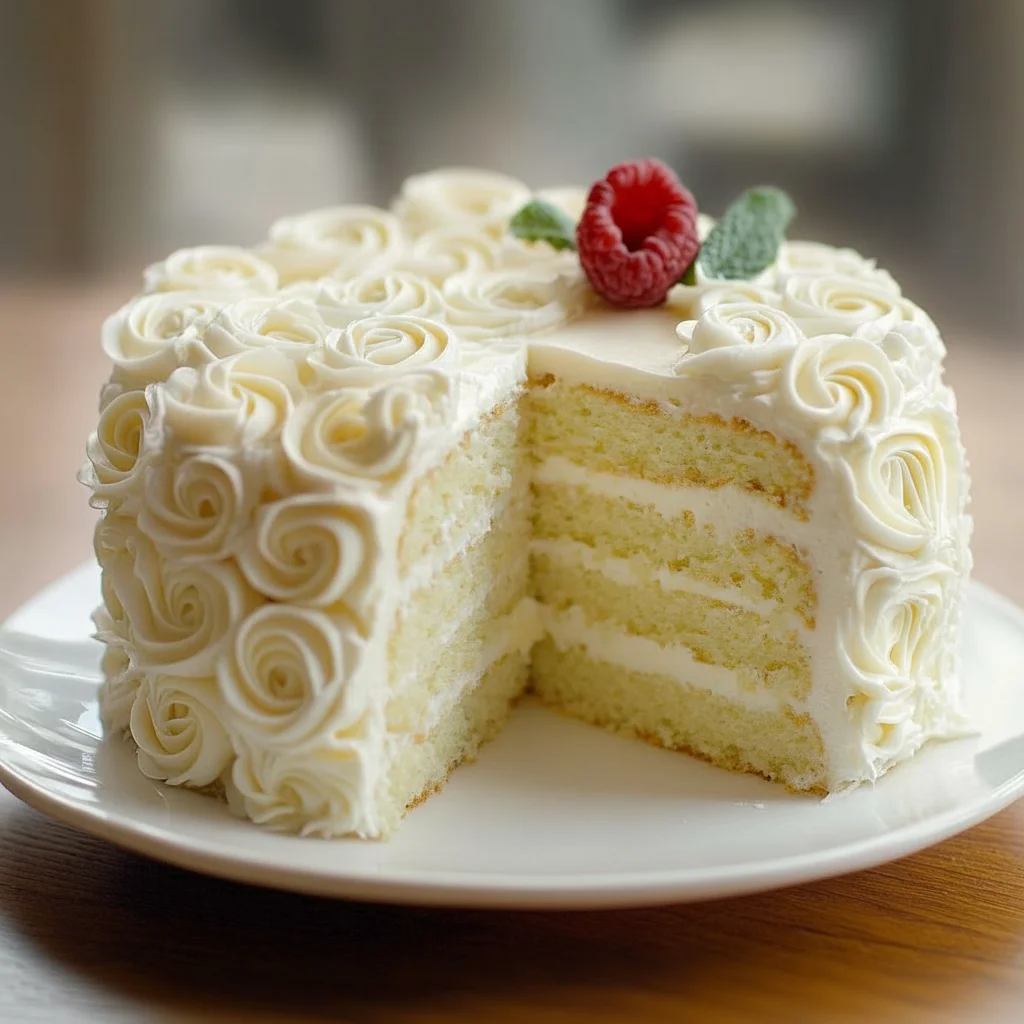
There is a particular kind of magic in the aroma of a vanilla butter cake baking in the oven. It’s a scent that fills every corner of the house, a comforting and nostalgic perfume of melting butter, caramelising sugar, and warm vanilla. It promises something truly special is on its way. This isn’t just any cake; it’s the result of countless trials and a genuine love for classic baking. After testing this recipe five times, I finally got it just right – achieving that perfect balance between a rich, buttery density and a light, tender crumb.
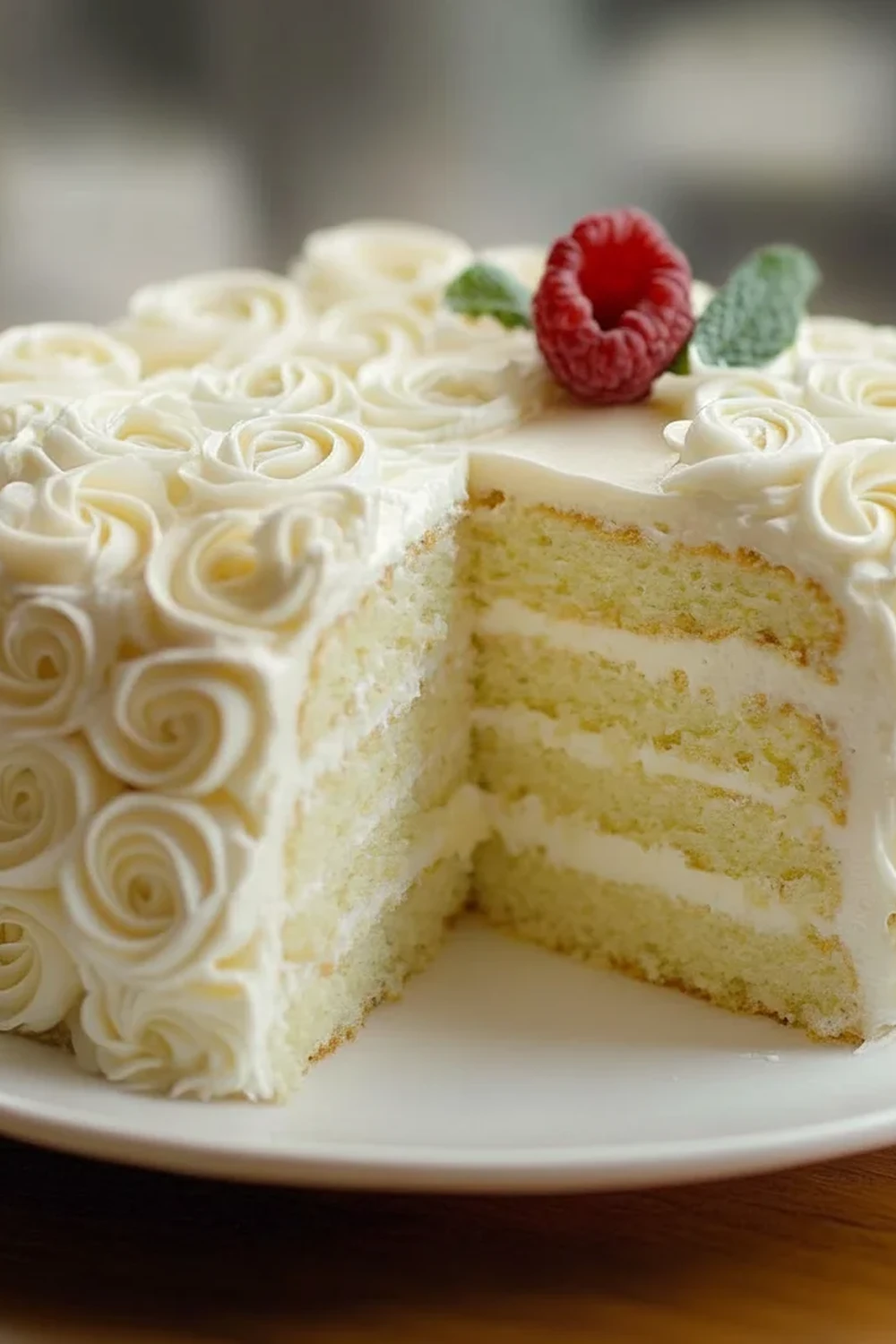
What sets this Vanilla Butter Cake recipe apart is its commitment to flavour and texture. We use a generous amount of quality unsalted butter and a good splash of real vanilla extract, which makes all the difference. The crumb is velvety and moist, holding its shape beautifully when sliced, and the crust has a delicate, golden-brown finish. This is the kind of cake that doesn’t need elaborate frosting or fancy decorations to shine. It stands confidently on its own.
It’s the ideal bake for a quiet afternoon with a cup of tea, a simple yet elegant offering for when friends pop over, or a lovely base for a birthday cake. While it’s a wonderfully simple dessert, it feels special enough for any occasion. For a savoury follow-up, a dish like our Savory Beef And Broccoli Stir Fry Recipe provides a great contrast.
Recipe Overview
This Vanilla Butter Cake recipe yields a beautifully moist and flavourful cake with a dense, velvety crumb. The primary flavours are rich butter and aromatic vanilla, a classic pairing that never fails to satisfy. I found during testing that the secret to its texture lies in the creaming method; taking your time here is essential. Expect a cake that is satisfyingly substantial yet wonderfully soft.
- Prep Time: 20 minutes
- Cook Time: 40-45 minutes
- Total Time: 1 hour 5 minutes
- Servings: 10-12 slices
- Difficulty: Medium
Why You’ll Love This Vanilla Butter Cake
- Genuine Flavour: The taste is dominated by rich, creamy butter, complemented by the sweet, floral notes of high-quality vanilla extract. It’s a pure and unadulterated flavour that showcases the quality of its ingredients.
- Ready in Just Over an Hour: The entire process, from getting your ingredients out to pulling the golden cake from the oven, comes together in about 65 minutes.
- Flexible Recipe: This cake is a wonderful canvas. You can add the zest of one lemon to the batter for a bright, citrusy note, or fold in 100g of white chocolate chips for extra decadence.
- Great for Afternoon Tea: It works beautifully for a classic afternoon tea, a simple birthday gathering, or just as a weekend treat for the family.
- Family Tested: My kids absolutely devour this every time I make it. They love it served slightly warm with a scoop of vanilla ice cream. It always gets compliments from everyone who tries it.
Ingredients You’ll Need
For a cake this simple, the quality of your ingredients truly matters. I always opt for a good European-style unsalted butter, like Lurpak, which has a higher fat content and provides a richer flavour. Likewise, using a pure vanilla extract rather than an essence will give you a much more authentic and aromatic result. The history of vanilla itself is fascinating, and using the real deal honours that tradition.
- 225g unsalted butter, softened to room temperature
- 225g caster sugar
- 4 medium free-range eggs, at room temperature
- 2 tsp pure vanilla extract
- 225g plain flour
- 2 tsp baking powder
- ½ tsp salt
- 60ml full-fat milk, at room temperature
Elena’s Tip: Don’t be tempted to skip bringing your butter, eggs, and milk to room temperature. Cold ingredients can cause the batter to curdle and will result in a denser, less tender cake. I usually take them out of the fridge an hour before I start.
How to Make Vanilla Butter Cake
The process for this cake centres on the creaming method, which is key to creating its signature texture. We’ll be incorporating air into the butter and sugar to give the cake its lift and tender structure. It’s a straightforward method that delivers brilliant results every time.
- Preheat and Prepare: First, preheat your oven to 170°C (150°C fan). Grease and line a 20cm (8-inch) round cake tin with baking parchment.
- Cream Butter and Sugar: In a large mixing bowl, using an electric hand mixer or a stand mixer with the paddle attachment, beat the softened butter and caster sugar together on a medium-high speed for a full 5-7 minutes. The mixture should become very pale, light, and fluffy. Don’t cut this step short!
- Add Eggs and Vanilla: Lightly whisk the eggs in a separate jug. With the mixer on a lower speed, add the eggs to the butter mixture a little at a time, beating well after each addition to ensure they are fully incorporated. If the mixture looks like it might be splitting, add a tablespoon of your flour. Once the eggs are in, mix in the vanilla extract.
- Combine Dry Ingredients: In a separate bowl, sift the plain flour, baking powder, and salt together. This aerates the flour and ensures the leavening agent is evenly distributed.
- Alternate Wet and Dry: Add one-third of the flour mixture to the wet ingredients and mix on a low speed until just combined. Pour in half of the milk and mix again. Repeat with another third of the flour, the rest of the milk, and finally, the last of the flour. What works best for me is to mix only until the last streaks of flour disappear to avoid overworking the gluten.
- Bake the Cake: Scrape the batter into your prepared tin and smooth the top with a spatula. Bake in the centre of the preheated oven for 40-45 minutes. The cake is done when it’s golden brown, has pulled away from the sides of the tin slightly, and a skewer inserted into the centre comes out clean.
- Cool Down: Let the cake cool in the tin for 10 minutes before carefully turning it out onto a wire rack to cool completely. This prevents it from breaking while it’s still delicate.
Tips From My Kitchen
- Temperature Control is Key: Room temperature ingredients are crucial for a smooth, emulsified batter. Cold butter won’t cream properly, and cold eggs or milk can cause the fat to re-solidify, making the batter split. It’s the difference between a light crumb and a heavy one.
- The Secret to a Light Crumb: I learned that the most important step is creaming the butter and sugar thoroughly. This process creates thousands of tiny air pockets. When the cake bakes, the baking powder releases gas into these pockets, which then expand, giving the cake its beautiful lift and tender texture. For a deeper dive, BBC Good Food has a great guide on the creaming method.
- Make-Ahead Method: This cake keeps beautifully. You can bake it a day in advance. Once fully cooled, wrap it tightly in cling film and store it at room temperature. The flavours will actually meld and deepen overnight.
- Storage Instructions: Store any leftover cake in an airtight container at room temperature for up to 3 days. It can also be frozen. To freeze, wrap the whole cake (or individual slices) in a double layer of cling film and then a layer of foil for up to 3 months. Thaw at room temperature.
What to Serve With Vanilla Butter Cake
This cake is delightful on its own, but it also pairs wonderfully with other simple accompaniments that enhance its buttery flavour. If you’re looking for an easy weeknight meal before dessert, our Simple Egg Fried Rice For Dinner is always a hit.
- Fresh Berries and Cream: A handful of fresh strawberries or raspberries and a dollop of clotted cream or softly whipped double cream cuts through the richness of the butter perfectly.
- Lemon Curd: A spoonful of sharp, tangy lemon curd alongside a slice provides a beautiful contrast to the sweet vanilla notes.
- A Pot of Tea: A classic English Breakfast or Earl Grey tea is the ideal companion for this cake, making for a perfect afternoon treat.
Frequently Asked Questions
Vanilla Butter Cake
Ingredients
Method
- Preheat and Prepare: First, preheat your oven to 170°C (150°C fan). Grease and line a 20cm (8-inch) round cake tin with baking parchment.
- Cream Butter and Sugar: In a large mixing bowl, using an electric hand mixer or a stand mixer with the paddle attachment, beat the softened butter and caster sugar together on a medium-high speed for a full 5-7 minutes. The mixture should become very pale, light, and fluffy. Don't cut this step short!
- Add Eggs and Vanilla: Lightly whisk the eggs in a separate jug. With the mixer on a lower speed, add the eggs to the butter mixture a little at a time, beating well after each addition to ensure they are fully incorporated. If the mixture looks like it might be splitting, add a tablespoon of your flour. Once the eggs are in, mix in the vanilla extract.
- Combine Dry Ingredients: In a separate bowl, sift the plain flour, baking powder, and salt together. This aerates the flour and ensures the leavening agent is evenly distributed.
- Alternate Wet and Dry: Add one-third of the flour mixture to the wet ingredients and mix on a low speed until just combined. Pour in half of the milk and mix again. Repeat with another third of the flour, the rest of the milk, and finally, the last of the flour. What works best for me is to mix only until the last streaks of flour disappear to avoid overworking the gluten.
- Bake the Cake: Scrape the batter into your prepared tin and smooth the top with a spatula. Bake in the centre of the preheated oven for 40-45 minutes. The cake is done when it’s golden brown, has pulled away from the sides of the tin slightly, and a skewer inserted into the centre comes out clean.
- Cool Down: Let the cake cool in the tin for 10 minutes before carefully turning it out onto a wire rack to cool completely. This prevents it from breaking while it's still delicate.
Notes
I truly hope this Vanilla Butter Cake becomes a treasured recipe in your home, just as it is in mine. It’s a testament to the fact that simple, high-quality ingredients can create something truly memorable. I would love to hear how it turns out for you, so please feel free to leave a comment below with your experience!