British Fish And Chips Recipe
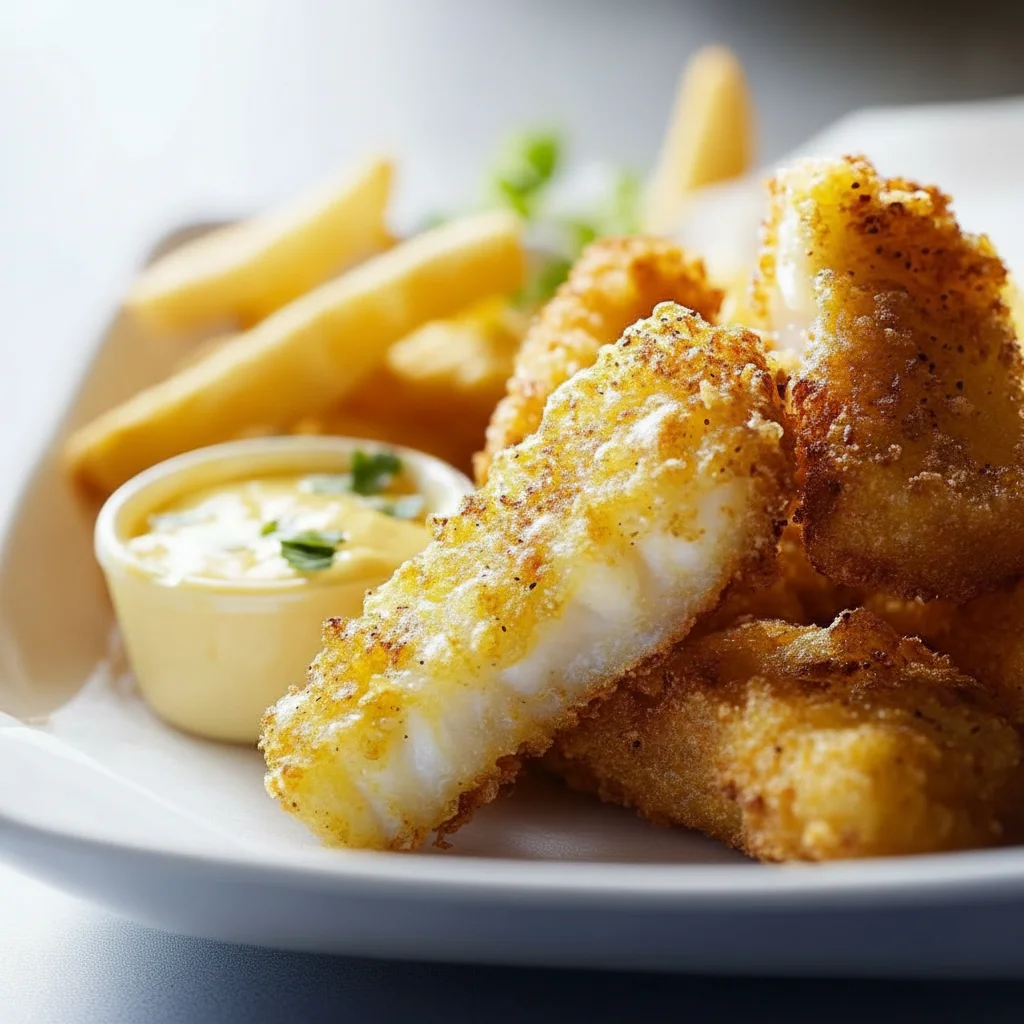
There’s something uniquely comforting about the sound and smell of a proper fish and chips supper. The crinkle of the paper, the sharp tang of vinegar cutting through the warm, savoury air – it’s a cornerstone of British cuisine for a reason. For years, I believed that truly fantastic fish and chips was a treat best left to the experts at the local chippy. But I was determined to recreate that magic in my own kitchen. After testing this recipe five times, I finally got the batter just right – it’s light, airy, and shatters when you bite into it, encasing a perfectly steamed fillet of flaky white fish.
This isn’t just another fish and chips recipe; it’s a guide to achieving that quintessential chip-shop experience at home. We’re talking about chips that are genuinely fluffy on the inside with a properly crisp exterior, and fish that stays moist and tender within its golden, crunchy shell. It’s the result of much trial and error, particularly with getting the batter consistency and frying temperatures spot on. It’s the kind of meal that makes a Friday night feel special, a weekend lunch feel indulgent, and brings a smile to everyone’s face.
Making this dish from scratch is a wonderfully satisfying process. It’s ideal for when you want to put a bit of love into your cooking and see brilliant results. We’ll walk through every step together, from choosing the right potatoes to the secret of a light-as-air batter. Whether you’re a seasoned cook or just starting your culinary journey, you can achieve brilliant results with this detailed guide.
Recipe Overview
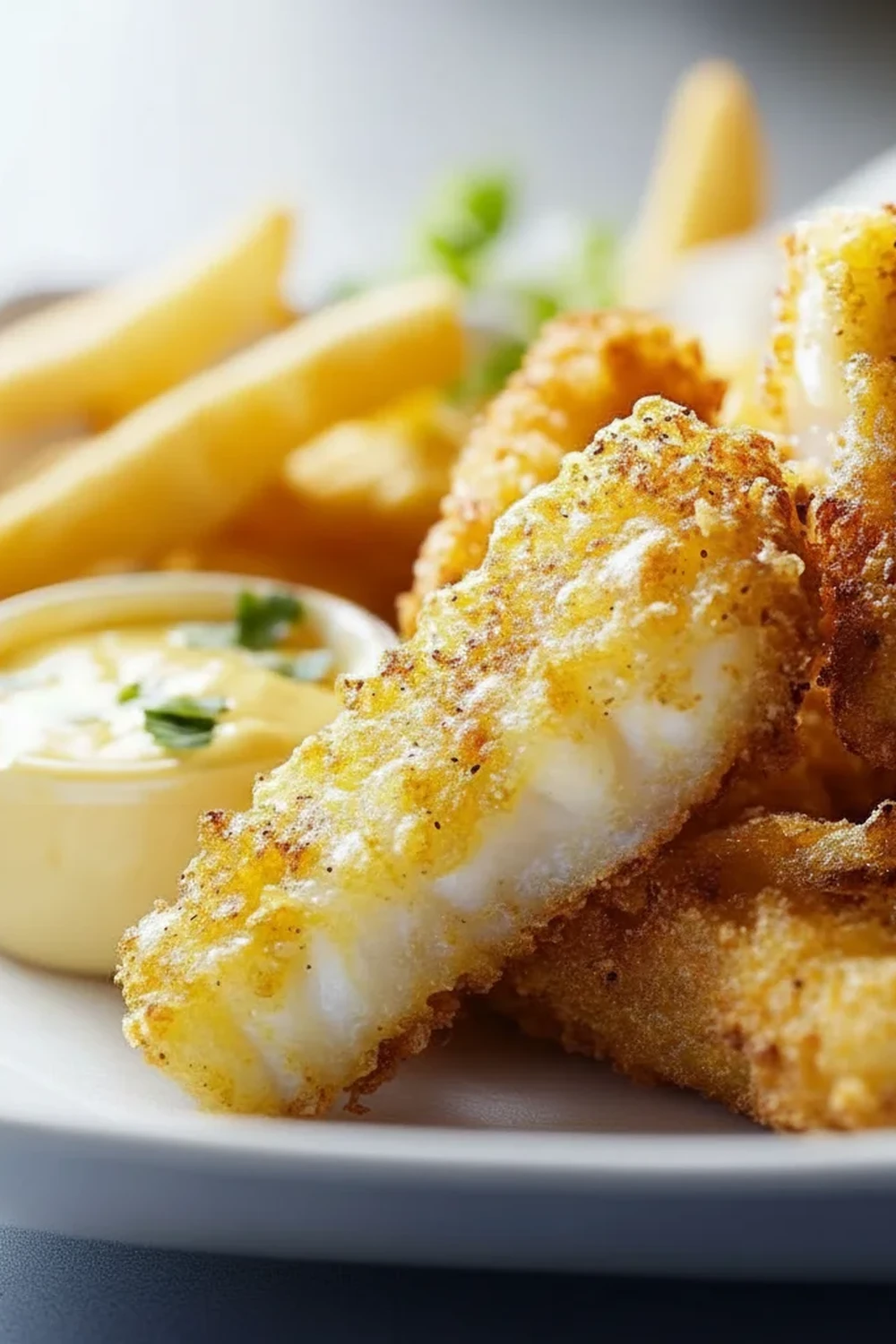
This homemade Fish and Chips Recipe delivers an authentic British classic. You can expect incredibly crisp, bubbly batter on the fish and double-cooked chips that are soft inside and perfectly golden on the outside. I discovered that using ice-cold sparkling water in the batter is the key to its amazing lightness.
- Prep Time: 25 minutes
- Cook Time: 35 minutes
- Total Time: 60 minutes
- Servings: 4 people
- Difficulty: Medium
Why You’ll Love This Fish And Chips Recipe
- Authentic Chippy Flavour: The beer batter is incredibly light and bubbles up to create a shatteringly crisp coating, while the double-frying method for the chips ensures they are fluffy inside with a proper crunch.
- Ready in an Hour: From peeling the potatoes to plating up, the whole process comes together in about 60 minutes, making it a brilliant weekend project.
- Flexible Recipe: You can use cod, haddock, or even pollock for the fish. The batter works just as well with chilled lager as it does with sparkling water for an alcohol-free version.
- Great for a Friday Night In: This meal works beautifully for a relaxed family dinner or a casual evening with friends, bringing that seaside feeling right to your dining table.
- Family Tested: My family absolutely adores this recipe. My eldest son says the chips are “the best ever,” which is a compliment I’ll treasure!
Ingredients You’ll Need
For the best results, using fresh, good-quality ingredients is key. I always opt for Maris Piper potatoes; their floury texture is unbeatable for creating fluffy-centred chips. When it comes to the fish, ask your fishmonger for thick-cut, skinless, and boneless fillets.
- For the Chips:
- 1kg Maris Piper or King Edward potatoes
- 2 litres vegetable or sunflower oil, for frying
- Sea salt, for sprinkling
- For the Fish and Batter:
- 4 x 170g thick cod or haddock fillets, skinless and boneless
- 200g plain flour, plus extra for dusting
- 75g cornflour
- 1 tsp baking powder
- 1/2 tsp sea salt
- 1/4 tsp black pepper
- 300ml very cold lager or sparkling water
- For Serving (Optional):
- Malt vinegar
- Tartare sauce
- Mushy peas
- Lemon wedges
Elena’s Tip: Don’t be tempted to use waxy potatoes like Charlotte or new potatoes for this chips recipe. A floury variety like Maris Piper is essential, as its high starch content is what gives you that wonderfully fluffy interior after frying.
How to Make This Fish And Chips Recipe
The secret to brilliant fish and chips is a two-stage cooking process for the chips and getting the oil temperature just right. We’ll cook the chips first, then the fish, and finally give the chips a second blast in the hot oil to crisp them up beautifully.
- Prepare the Chips: Peel the potatoes and cut them into thick chips, about 1.5cm wide. Place them in a large bowl of cold water and rinse them two or three times to wash away the excess starch. This is a crucial step for crispy chips! Drain them thoroughly and pat them completely dry with a clean tea towel or kitchen paper.
- First Fry (Blanching the Chips): Heat the oil in a deep-fat fryer or a large, heavy-bottomed saucepan to 130°C (use a cooking thermometer for accuracy). Carefully lower half of the chips into the oil and cook for 7-8 minutes. They should be soft but not coloured. I find that using a spider strainer or slotted spoon is the safest way to do this. Remove the chips and let them drain on a wire rack. Repeat with the remaining chips. At this point, the chips can be set aside for a couple of hours if you’re preparing ahead.
- Make the Batter: While the chips are resting, prepare the batter. In a large mixing bowl, whisk together the plain flour, cornflour, baking powder, salt, and pepper. Just before you’re ready to fry the fish, pour in the very cold beer or sparkling water and whisk lightly until you have a thick batter, about the consistency of double cream. It’s okay if there are a few small lumps – don’t overmix it.
- Prepare the Fish: Pat the fish fillets completely dry with kitchen paper. Set up a shallow dish with a little plain flour for dusting. Season the fish fillets lightly with salt and pepper, then dust each one in the flour, shaking off any excess. This helps the batter adhere properly.
- Fry the Fish: Increase the oil temperature to 180°C. Dip a floured fish fillet into the batter, ensuring it’s fully coated. Let any excess batter drip off, then very carefully lower the fish into the hot oil, holding one end and laying it away from you to prevent splashing. Fry two fillets at a time for 6-8 minutes, turning halfway through, until the batter is golden, crisp, and bubbling.
- Drain the Fish: Once cooked, remove the fish from the oil and place it on the wire rack to drain. Sprinkle immediately with a little sea salt. Keep the cooked fish warm in a low oven (around 80°C) on the rack while you finish cooking.
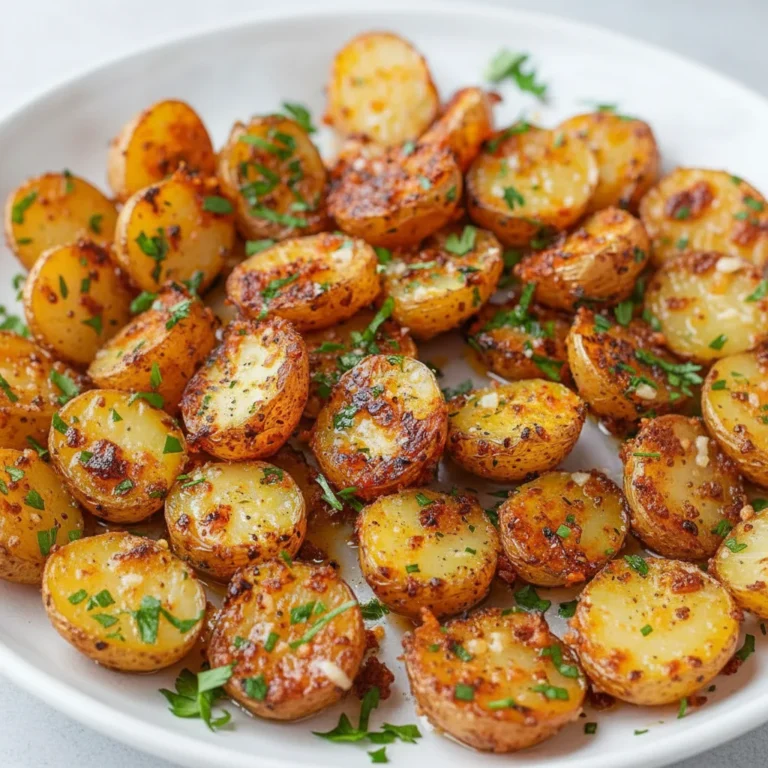
- Second Fry (Crisping the Chips): With the oil still at 180°C, return the blanched chips to the fryer in batches. Cook for another 3-4 minutes, or until they are a deep golden brown and wonderfully crisp.
- Serve Immediately: Remove the chips from the oil, drain well, and sprinkle generously with sea salt. Serve at once with the hot, crispy fish, a good splash of malt vinegar, lemon wedges, and your favourite accompaniments.
Tips From My Kitchen
- Temperature Control is Everything: The single most important factor for success is maintaining the correct oil temperature. An inexpensive digital thermometer is your best friend here. If the oil is too cool, the food will be greasy; too hot, and the outside will burn before the inside is cooked.
- The Secret Step: Cold Batter, Hot Oil: The temperature contrast between the ice-cold batter and the hot oil creates an instant burst of steam, which makes the batter puff up and become incredibly light and airy. I learned that keeping my beer or sparkling water in the freezer for 15 minutes before mixing makes a huge difference.
- Make-Ahead: The chips can be blanched (the first fry) up to 3 hours in advance. Just leave them to cool completely on the wire rack at room temperature. This makes the final cooking process much quicker when you’re ready to eat.
- Storage: Honestly, fish and chips are best eaten fresh. Leftovers tend to lose their crispness. If you must store them, keep them in an airtight container in the fridge for up to 1 day. Reheat in a hot oven or an air fryer at 200°C for 5-7 minutes to try and revive some of the crunch.
Equipment You’ll Need
- Deep-fat fryer or a large, heavy-bottomed saucepan/Dutch oven
- Cooking thermometer
- Sharp knife and cutting board
- Large mixing bowls
- Whisk
- Slotted spoon or spider strainer
- Wire rack
Common Mistakes to Avoid
- Overcrowding the Pan: Frying in small batches is essential. Adding too many chips or fish fillets at once will cause the oil temperature to drop dramatically, resulting in soggy, greasy food. Give everything plenty of space to cook evenly.
- Wrong Temperature: Guessing the oil temperature is a recipe for disappointment. Use a thermometer to ensure you hit 130°C for the first chip fry and 180°C for the second fry and the fish. This precision is the key to a non-greasy finish.
- Skipping the Drying Step: Any moisture on the surface of your potatoes or fish will cause the hot oil to spit violently and can prevent a crispy result. Pat everything thoroughly dry with kitchen paper before it goes anywhere near the flour or oil.
Delicious Variations to Try
While the classic is hard to beat, this recipe is a great base for a few tasty tweaks. Here are some ideas we’ve enjoyed at home:
- Spicy Version: Add 1/2 teaspoon of cayenne pepper or smoked paprika to the flour mixture for the batter. It adds a lovely warmth that works beautifully with the fish.
- Vegetarian Option: This batter is fantastic on thick slices of halloumi cheese or large Portobello mushrooms. Fry the halloumi for 3-4 minutes until golden. It’s a brilliant alternative for non-fish eaters. For another great veggie meal, try my Healthy Veggie Fried Rice Recipe.
- Different Protein: This batter recipe also works wonderfully for making onion rings or even battered sausages. For other seafood ideas, check out this Classic Shrimp Scampi Recipe.
What to Serve With This Fish And Chips Recipe
To get the full chippy experience, the accompaniments are almost as important as the main event! Here’s what we serve alongside:
- Mushy Peas: A non-negotiable side in our house. The sweet, soft peas are the perfect foil for the crisp fish and chips.
- Homemade Tartare Sauce: A simple mix of mayonnaise, finely chopped gherkins, capers, a little lemon juice, and fresh parsley is so much better than shop-bought.
- Drink Pairing: A cold, crisp lager complements the fried food perfectly. For a non-alcoholic option, nothing beats a strong mug of builder’s tea, just like you’d get from a traditional British fish and chip shop.
Frequently Asked Questions
Fish And Chips
Ingredients
Method
- Prepare the Chips: Peel the potatoes and cut them into thick chips, about 1.5cm wide. Place them in a large bowl of cold water and rinse them two or three times to wash away the excess starch. This is a crucial step for crispy chips! Drain them thoroughly and pat them completely dry with a clean tea towel or kitchen paper.
- First Fry (Blanching the Chips): Heat the oil in a deep-fat fryer or a large, heavy-bottomed saucepan to 130°C (use a cooking thermometer for accuracy). Carefully lower half of the chips into the oil and cook for 7-8 minutes. They should be soft but not coloured. I find that using a spider strainer or slotted spoon is the safest way to do this. Remove the chips and let them drain on a wire rack. Repeat with the remaining chips. At this point, the chips can be set aside for a couple of hours if you're preparing ahead.
- Make the Batter: While the chips are resting, prepare the batter. In a large mixing bowl, whisk together the plain flour, cornflour, baking powder, salt, and pepper. Just before you're ready to fry the fish, pour in the very cold beer or sparkling water and whisk lightly until you have a thick batter, about the consistency of double cream. It's okay if there are a few small lumps – don't overmix it.
- Prepare the Fish: Pat the fish fillets completely dry with kitchen paper. Set up a shallow dish with a little plain flour for dusting. Season the fish fillets lightly with salt and pepper, then dust each one in the flour, shaking off any excess. This helps the batter adhere properly.
- Fry the Fish: Increase the oil temperature to 180°C. Dip a floured fish fillet into the batter, ensuring it's fully coated. Let any excess batter drip off, then very carefully lower the fish into the hot oil, holding one end and laying it away from you to prevent splashing. Fry two fillets at a time for 6-8 minutes, turning halfway through, until the batter is golden, crisp, and bubbling.
- Drain the Fish: Once cooked, remove the fish from the oil and place it on the wire rack to drain. Sprinkle immediately with a little sea salt. Keep the cooked fish warm in a low oven (around 80°C) on the rack while you finish cooking.
- Second Fry (Crisping the Chips): With the oil still at 180°C, return the blanched chips to the fryer in batches. Cook for another 3-4 minutes, or until they are a deep golden brown and wonderfully crisp.
- Serve Immediately: Remove the chips from the oil, drain well, and sprinkle generously with sea salt. Serve at once with the hot, crispy fish, a good splash of malt vinegar, lemon wedges, and your favourite accompaniments.
Notes
I truly hope you give this fish and chips recipe a go. Taking the time to cook this meal from scratch is such a rewarding experience, and the results are leagues ahead of anything you can buy frozen. There’s nothing quite like sitting down to a plate of your own perfectly crisp, golden fish and chips. If you try it, please let me know how you get on in the comments below – I love hearing about your kitchen adventures! Happy cooking!
– Elena