Amish Baked Custard Dessert
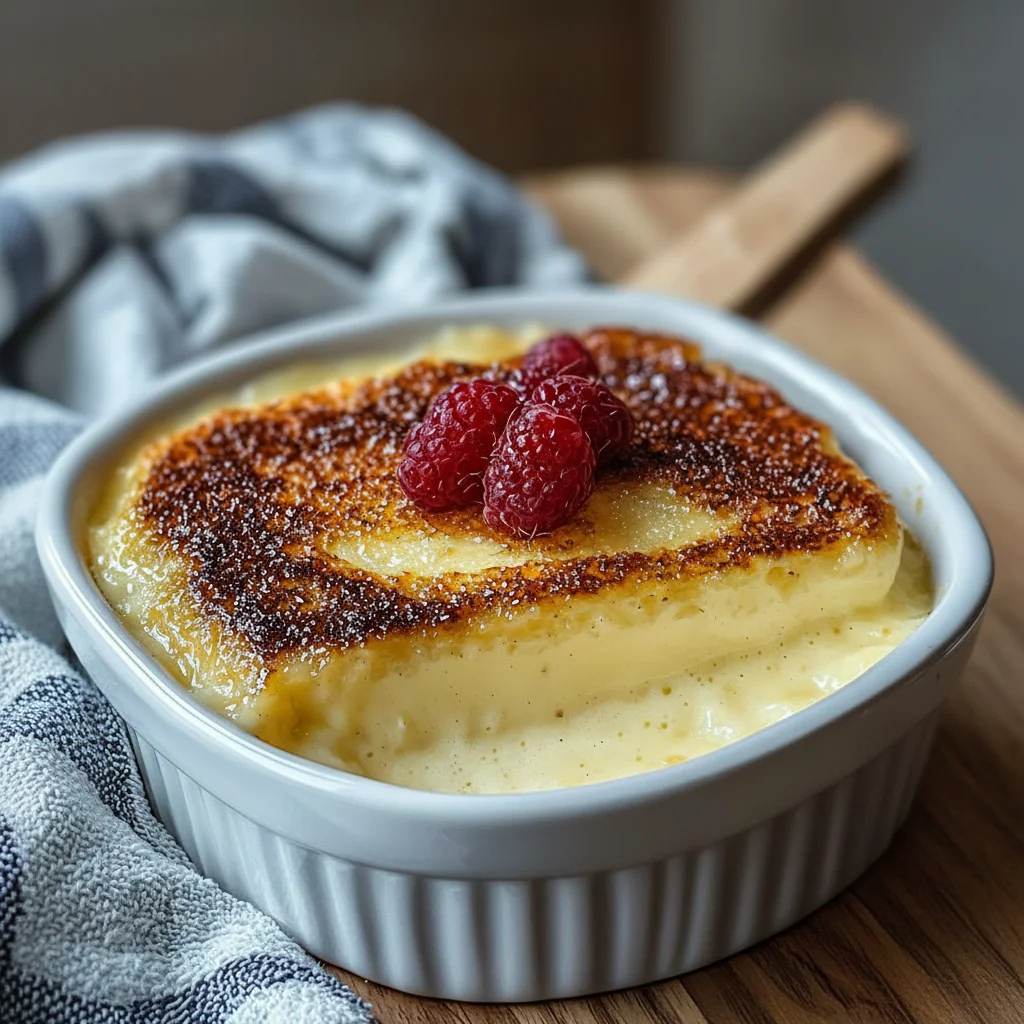
There is something profoundly satisfying about a dessert that relies on simplicity and quality ingredients rather than elaborate decoration. This Amish Baked Custard Dessert is the embodiment of that philosophy. It’s a recipe that feels like a warm hug, with a silky, smooth texture and a gentle, sweet flavour that soothes the soul. When I first tried a version of this on a trip through the countryside, I was captivated by its honest-to-goodness deliciousness and knew I had to recreate it in my own kitchen. After many attempts to get that perfect, gentle wobble, I finally perfected a method that delivers a flawless creamy custard every single time.
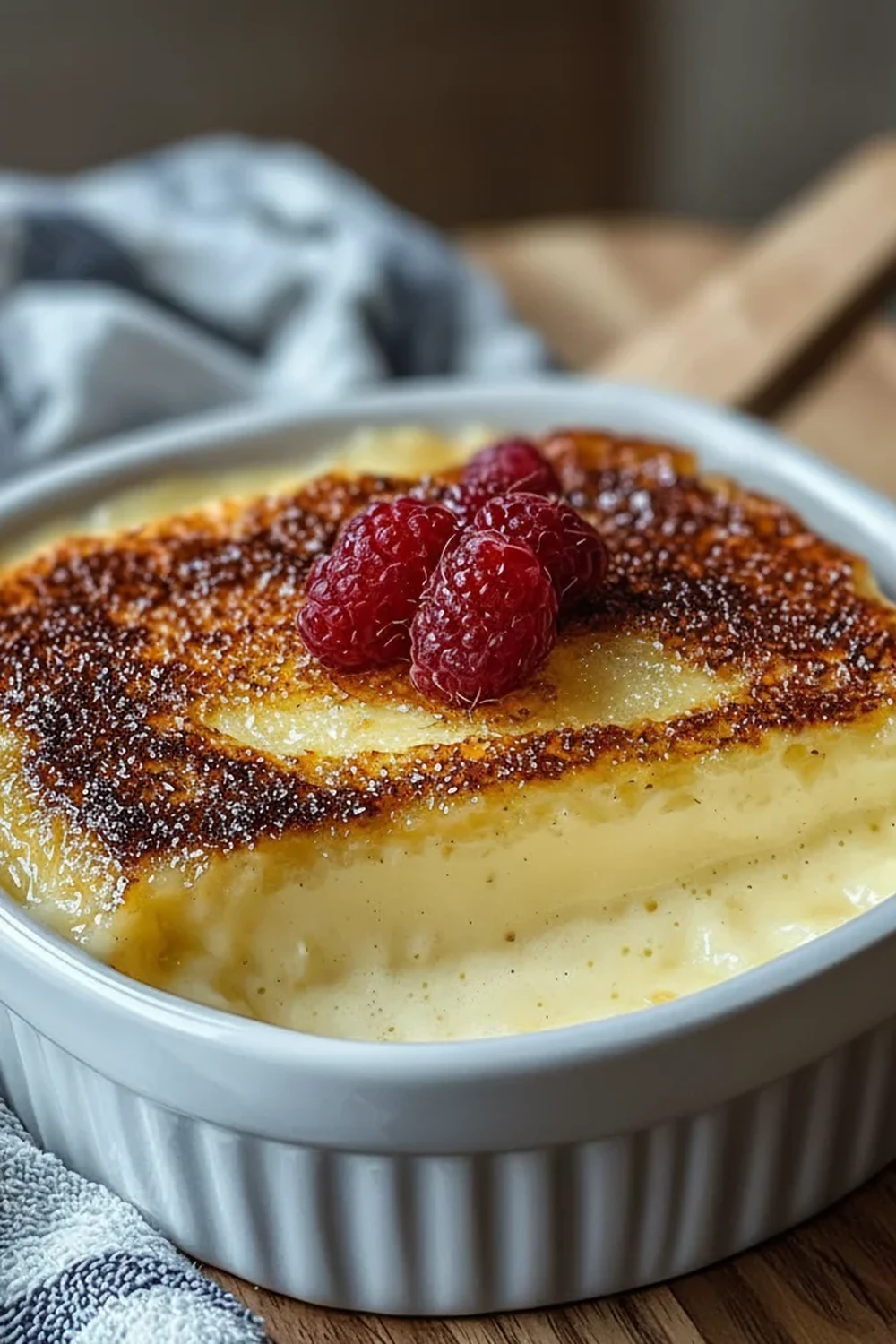
This isn’t a show-stopping, multi-layered cake; it’s something much more intimate and special. It’s the kind of dessert we make when we want to slow down and appreciate the small, comforting things in life. The magic lies in how a few basic kitchen staples—eggs, milk, sugar, and vanilla—transform into something so elegant. The top develops a delicate, golden-brown skin while the centre remains exquisitely soft and melts in your mouth. This Amish recipe is a testament to traditional baking, where technique and patience are the most important ingredients.
It’s a wonderful treat for a quiet family evening, especially after a flavourful meal like my Savory Beef and Broccoli Stir Fry Recipe. It’s also lovely to offer guests who appreciate understated, beautifully executed desserts. The delicate nutmeg and vanilla aroma that fills the house as it bakes is reason enough to make it.
Recipe Overview
This Amish Baked Custard Dessert recipe yields a supremely creamy and delicate egg custard with a gentle sweetness and a whisper of vanilla and nutmeg. The key to its success is a slow bake in a water bath, which ensures a smooth, even texture without any curdling. After testing this recipe five times, I finally got it just right—the balance of sweetness is perfect, and the consistency is dependably silky. Expect a light, wholesome dessert that feels both nostalgic and refined.
- Prep Time: 15 minutes
- Cook Time: 45-55 minutes
- Total Time: 1 hour 10 minutes (plus cooling time)
- Servings: 6 people
- Difficulty: Medium
Why You’ll Love This Amish Baked Custard Dessert
- Velvety Smooth Texture: This custard is exceptionally creamy, without a hint of graininess. The slow, gentle cooking process creates a delicate set that is utterly luxurious on the tongue.
- Subtle, Warming Flavours: The pure taste of fresh milk and eggs is enhanced by high-quality vanilla extract and a light dusting of freshly grated nutmeg, which adds a lovely aromatic warmth.
- A Straightforward Method: While it requires a little attention to detail, the process itself is not complex. With just a few steps, you can achieve a truly impressive result.
- Works Beautifully for Family Dinners: This dessert is a wonderful way to end a meal. It’s light enough not to feel heavy but satisfying enough to feel like a proper treat.
- Always Gets Compliments: My family adores this recipe. Even my son, who usually goes for chocolate-heavy desserts, asks for a second helping of this creamy custard every time I make it.
Ingredients You’ll Need
The beauty of this Amish recipe is its reliance on simple, high-quality ingredients. For the best flavour, I always use full-fat milk and the best free-range eggs I can find. I’m quite partial to Clarence Court Burford Browns for their deep golden yolks, which give the custard a lovely sunny hue.
- 700ml whole milk
- 4 large free-range eggs
- 100g caster sugar
- 1 ½ tsp vanilla extract
- ¼ tsp freshly grated nutmeg
- A pinch of fine sea salt
Elena’s Tip: Don’t be tempted to use pre-ground nutmeg. Grating it fresh from a whole nutmeg provides a far superior, aromatic flavour that truly elevates this simple dessert. A small microplane grater works wonderfully for this.
How to Make Amish Baked Custard Dessert
The process is all about gentle heat and careful mixing. The goal is to create a smooth, homogenous mixture that cooks evenly in the oven. The water bath, or bain-marie, is essential for this, so don’t be tempted to skip it!
- Preheat and Prepare: Preheat your oven to 160°C (140°C fan). Find a deep baking dish that is large enough to hold a 1.5-litre ovenproof dish or 6 individual ramekins. Place the dish or ramekins inside the larger baking dish. Put a kettle on to boil.
- Heat the Milk: Pour the whole milk into a medium saucepan. Heat it over a medium-low heat until it is steaming and small bubbles are forming around the edges. This is called scalding. Do not let it come to a rolling boil. Remove from the heat.
- Whisk the Eggs and Sugar: In a separate large bowl, whisk the eggs and caster sugar together for about 1-2 minutes, just until they are combined and slightly pale. Be careful not to over-whisk, as incorporating too much air can affect the final texture. Stir in the vanilla extract and the pinch of salt.
- Temper the Eggs: This is a crucial step to prevent the eggs from scrambling. While whisking the egg mixture continuously, slowly pour a thin, steady stream of the hot milk into the bowl. What works best for me is to use a ladle to add the first two measures of milk, whisking well after each, before pouring in the rest.
- Strain the Mixture: For an impeccably smooth custard, pour the mixture through a fine-mesh sieve into your ovenproof dish or divide it evenly among the ramekins. This will catch any small bits of cooked egg or undissolved sugar.
- Dust and Bake: Grate the fresh nutmeg evenly over the surface of the custard. Carefully place the baking dish setup onto the middle rack of your preheated oven. Pour the boiled water from the kettle into the larger baking dish, so it comes about halfway up the sides of your custard dish. This is your water bath.
- Bake Until Set: Bake for 45-55 minutes for a large dish, or 30-35 minutes for individual ramekins. The custard is ready when the edges are set, but the centre still has a slight wobble when you gently shake the dish. It will continue to set as it cools.
- Cool Completely: Carefully remove the baking dish from the oven. Let the custard dish or ramekins cool in the water bath for about 20 minutes before carefully lifting them out and placing them on a wire rack to cool to room temperature. Then, refrigerate for at least 4 hours, or preferably overnight, before serving.
Tips From My Kitchen
- Temperature is Everything: A low oven temperature and the insulating effect of the water bath are what make this custard so creamy. Baking it too hot or too fast will cause it to curdle and become watery. Patience is key! For more on the science behind this, Serious Eats explains the importance of a water bath in detail.
- The Tempering Technique: I used to struggle with this dish until I discovered the importance of proper tempering. The secret is to add the hot milk to the eggs very, very slowly at first. This gently raises the temperature of the eggs without shocking them into cooking, ensuring a silky-smooth final product.
- Make-Ahead Magic: This dessert is ideal for making ahead. In fact, it’s better when made a day in advance, as this gives it ample time to chill and set properly in the fridge. Just cover it with cling film once it has cooled to room temperature.
- Storage: Leftover baked custard should be covered and stored in the refrigerator. It will keep well for up to 3 days. I find the texture is at its absolute best on day two.
Delicious Variations to Try
While the classic recipe is a thing of beauty, you can certainly add your own little twist. Here are a few ideas that work well:
- Warming Spice Version: Along with the nutmeg, add a pinch of ground cinnamon or a tiny pinch of ground cardamom to the milk as it heats. This adds another layer of fragrant warmth.
- Dairy-Free Version: For a dairy-free alternative, you can substitute the whole milk with a full-fat, creamy plant-based milk like oat milk or tinned coconut milk. The flavour profile will change, but it will still be lovely.
- Citrus Zest Version: Add the finely grated zest of one lemon or orange to the milk as you heat it. Strain it out with the sieve before baking. This adds a wonderfully fresh and fragrant note that cuts through the richness of the egg custard.
What to Serve With Amish Baked Custard Dessert
This creamy custard is delightful on its own, but a simple accompaniment can make it even more special.
- Fresh Berries: A small handful of fresh raspberries, sliced strawberries, or blueberries provides a beautiful contrast in colour and a touch of tartness that complements the sweet custard.
- A Crisp Biscuit: Serve each portion with a delicate shortbread biscuit or a thin almond biscotti for a bit of textural contrast.
- A Cup of Tea: This dessert works beautifully for afternoon tea. A classic cup of Earl Grey or a simple English Breakfast tea is a wonderful partner to the creamy texture.
Frequently Asked Questions
Amish Baked Custard Dessert
Ingredients
Method
- Preheat and Prepare: Preheat your oven to 160°C (140°C fan). Find a deep baking dish that is large enough to hold a 1.5-litre ovenproof dish or 6 individual ramekins. Place the dish or ramekins inside the larger baking dish. Put a kettle on to boil.
- Heat the Milk: Pour the whole milk into a medium saucepan. Heat it over a medium-low heat until it is steaming and small bubbles are forming around the edges. This is called scalding. Do not let it come to a rolling boil. Remove from the heat.
- Whisk the Eggs and Sugar: In a separate large bowl, whisk the eggs and caster sugar together for about 1-2 minutes, just until they are combined and slightly pale. Be careful not to over-whisk, as incorporating too much air can affect the final texture. Stir in the vanilla extract and the pinch of salt.
- Temper the Eggs: This is a crucial step to prevent the eggs from scrambling. While whisking the egg mixture continuously, slowly pour a thin, steady stream of the hot milk into the bowl. What works best for me is to use a ladle to add the first two measures of milk, whisking well after each, before pouring in the rest.
- Strain the Mixture: For an impeccably smooth custard, pour the mixture through a fine-mesh sieve into your ovenproof dish or divide it evenly among the ramekins. This will catch any small bits of cooked egg or undissolved sugar.
- Dust and Bake: Grate the fresh nutmeg evenly over the surface of the custard. Carefully place the baking dish setup onto the middle rack of your preheated oven. Pour the boiled water from the kettle into the larger baking dish, so it comes about halfway up the sides of your custard dish. This is your water bath.
- Bake Until Set: Bake for 45-55 minutes for a large dish, or 30-35 minutes for individual ramekins. The custard is ready when the edges are set, but the centre still has a slight wobble when you gently shake the dish. It will continue to set as it cools.
- Cool Completely: Carefully remove the baking dish from the oven. Let the custard dish or ramekins cool in the water bath for about 20 minutes before carefully lifting them out and placing them on a wire rack to cool to room temperature. Then, refrigerate for at least 4 hours, or preferably overnight, before serving.
Notes
I do hope you’ll give this wonderfully simple Amish Baked Custard Dessert a try. It’s a recipe that rewards patience with a truly elegant and satisfying result, a lovely change of pace from some of my more adventurous recipes like this Authentic Pad Thai Chicken Shrimp Recipe. Please let me know how it turns out for you in the comments below – I love hearing about your kitchen creations!
– Elena Rodriguez