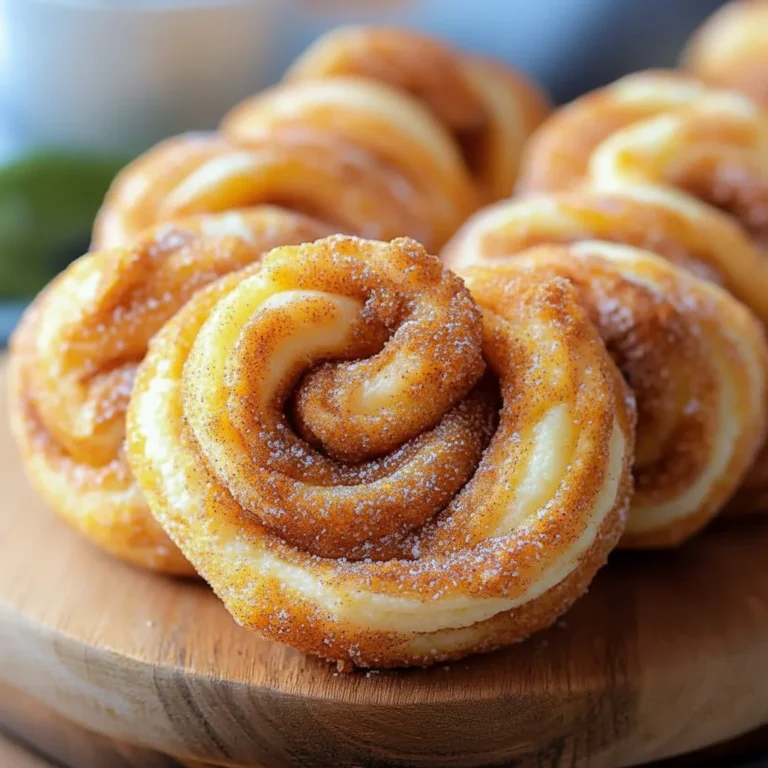
Homemade Vanilla French Beignets
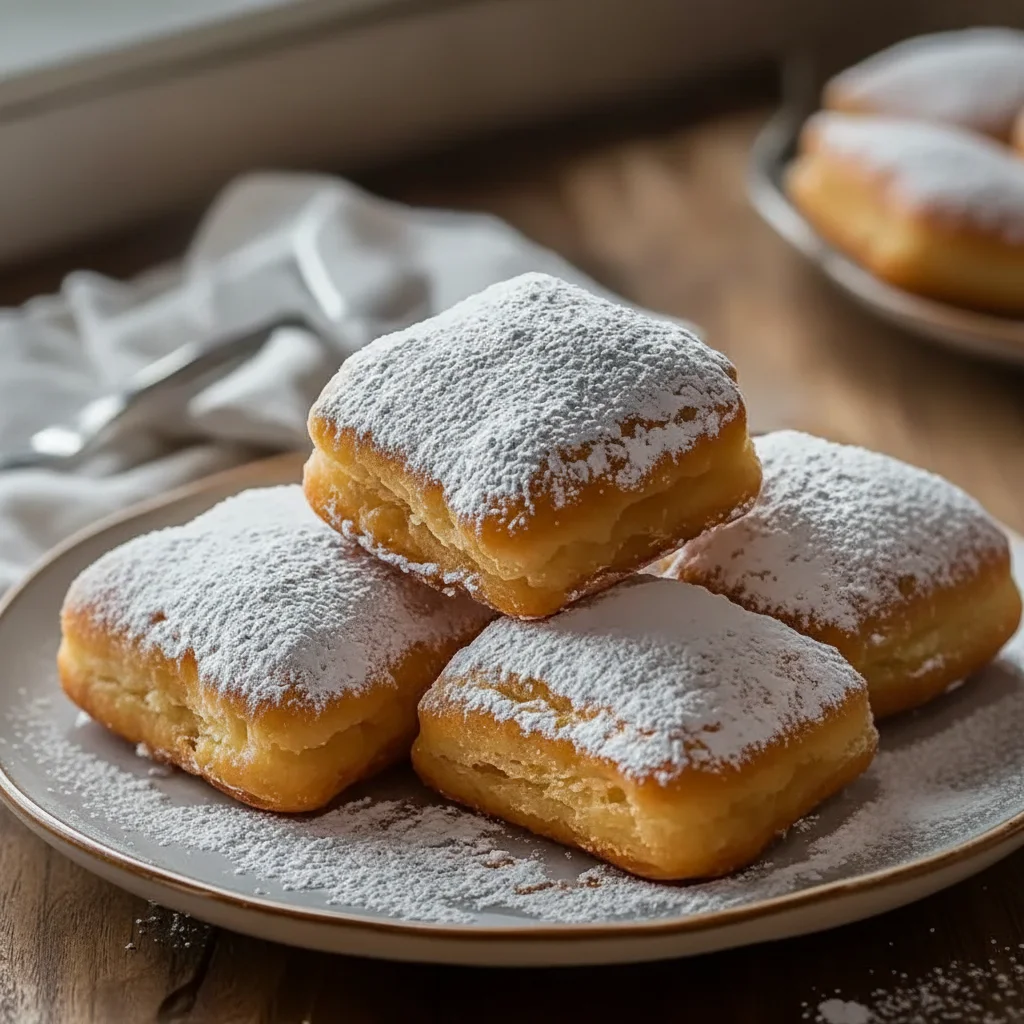
There is something truly magical about a freshly fried, pillowy-soft beignet, blanketed in a snowy cloud of icing sugar. The moment you bite through the delicate, crisp exterior into the warm, airy centre, scented with rich vanilla, is pure bliss. It transports me straight to the bustling cafés of New Orleans, even on a grey British morning. These Vanilla French Beignets are a cherished recipe in my home; they’re the star of lazy Sunday brunches and special weekend treats. Friends always ask me for this recipe after trying it at dinner parties, and I’m delighted to finally share all my tips and tricks with you.
Making homemade donuts might seem daunting, but these beignets are a wonderful entry into the world of fried dough. The process is a gentle rhythm of mixing, waiting, and watching as simple ingredients transform. The dough itself is a joy to work with—soft, pliable, and enriched with butter and egg. The real secret, however, is the generous amount of real vanilla, which infuses every bite with a warm, aromatic sweetness that sets them apart from any shop-bought pastry.
This recipe is ideal when you want to create a memorable sweet breakfast or a delightful afternoon treat to share with loved ones. It’s a hands-on bake that yields incredibly rewarding results. Seeing those little squares of dough puff up into golden pillows in the hot oil is a satisfying moment for any home cook. We’ll walk through it all together, step by step, ensuring you can create these beautiful French pastries in your own kitchen. While they are a true delight, if you’re in the mood for something savoury later, my Cheesy Tuna Melt Sandwich Recipe is another simple yet satisfying meal.
Recipe Overview
This recipe guides you through creating classic Vanilla French Beignets from scratch. You can expect a light, fluffy, and slightly chewy pastry with a delicate, crisp outside. The prominent flavour is a rich and authentic vanilla, balanced by the sweetness of the icing sugar topping. I’ve tested this recipe many times, and I found that allowing the dough a full, undisturbed first prove is the absolute key to achieving that signature airy texture.
- Prep Time: 25 minutes
- Proving Time: 1 hour 45 minutes
- Cook Time: 15 minutes
- Total Time: 2 hours 25 minutes
- Servings: Makes approx. 20-24 beignets
- Difficulty: Medium
Why You’ll Love This Vanilla French Beignets Recipe
- Authentic Pillowy Texture: The use of strong bread flour and a double prove creates beignets that are exceptionally light and airy on the inside with a satisfyingly delicate chew, just like the ones you’d find in a patisserie.
- Deep Vanilla Flavour: We use both vanilla extract and vanilla bean paste, which layers the flavour beautifully. You get the warm, background notes from the extract and the intense, fragrant specks from the paste for a truly luxurious taste.
- Straightforward Process: While working with yeast requires a little patience, the steps are very clear and methodical. The dough comes together in about 15 minutes and the frying process is surprisingly quick.
- Works Beautifully for a Special Brunch: These are a showstopper for a weekend brunch, a birthday breakfast, or simply when you want to make a morning feel special. They are best served warm, straight from the fryer.
- Family Tested: My whole family adores these. The kids have the best time helping to cut the dough into squares and, of course, being in charge of the all-important icing sugar dusting!
Ingredients You’ll Need
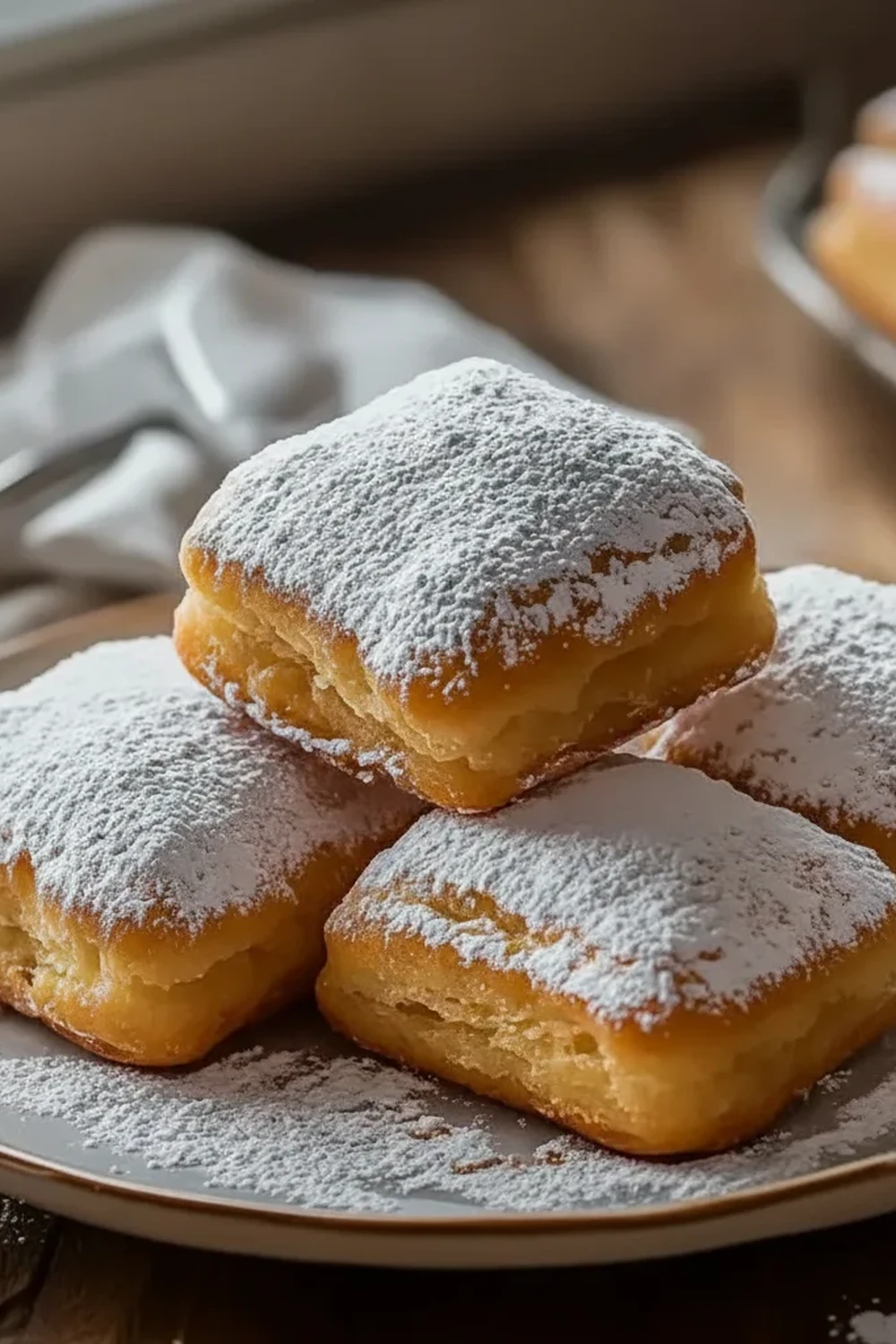
For these beignets, we’re using simple, high-quality pantry staples. The star is the vanilla, so I highly recommend using a good quality vanilla bean paste for those beautiful black specks and intense flavour. I often use Nielsen-Massey, as its thick consistency holds up well in the dough. Full-fat milk and real butter are essential for a rich, tender crumb.
- 120ml warm full-fat milk (about 40-45°C)
- 7g (1 sachet) fast-action dried yeast
- 50g caster sugar, plus 1 tsp for the yeast
- 375g strong white bread flour, plus extra for dusting
- ½ tsp fine sea salt
- 1 large free-range egg, lightly beaten
- 60g unsalted butter, melted and slightly cooled
- 1 tsp pure vanilla extract
- 1 tsp vanilla bean paste
- Approx. 1 litre vegetable or sunflower oil, for frying
- 150g icing sugar, for dusting
Elena’s Tip: Ensure your milk is just warm to the touch, like a baby’s bottle. If it’s too hot, it will kill the yeast, and your dough won’t rise. A digital thermometer is your best friend here, but if you don’t have one, a careful touch test works too.
How to Make Vanilla French Beignets
Making these homemade donuts is a two-part process: first, we create and prove the enriched dough, and then we fry it to golden perfection. Follow these steps closely for the best results. We’ll make sure the process is clear and you know exactly what to look for at each stage.
- Activate the Yeast: In a small bowl, combine the warm milk, 1 teaspoon of caster sugar, and the sachet of yeast. Give it a gentle stir and set it aside for 5-10 minutes. It should become frothy and bubbly on top, which tells you the yeast is active and ready to go. If it doesn’t froth, your yeast may be old or the milk too hot/cold, and you’ll need to start again.
- Combine the Dry Ingredients: While the yeast is activating, place the strong bread flour, the remaining 50g of caster sugar, and the salt into the bowl of a stand mixer fitted with a dough hook (or a large mixing bowl if making by hand). Whisk them together briefly to ensure everything is evenly distributed.
- Mix the Dough: Create a well in the centre of your flour mixture. Pour in the activated yeast mixture, the lightly beaten egg, melted butter, vanilla extract, and vanilla bean paste. If using a stand mixer, mix on a low speed until a shaggy dough forms. Increase the speed to medium and knead for 6-8 minutes, until the dough is smooth, elastic, and pulls away from the sides of the bowl. If kneading by hand, mix with a wooden spoon until it comes together, then turn out onto a lightly floured surface and knead for about 10 minutes.
- First Prove: Lightly grease a large, clean bowl with a little oil. Form your dough into a smooth ball and place it inside. Cover the bowl with a clean tea towel or cling film. Let it rise in a warm, draught-free place for about 1 to 1.5 hours, or until it has doubled in size. I used to struggle with getting a good rise until I discovered this technique: I turn my oven on to its lowest setting for just 2 minutes, then turn it off and place the bowl inside with the door ajar. It creates the perfect warm environment.
- Shape the Beignets: Once doubled, gently punch the air out of the dough and turn it out onto a lightly floured work surface. Roll it out into a rectangle about 1cm (just under ½ inch) thick. Using a sharp knife or a pizza cutter, trim the edges to make them straight, then cut the dough into 20-24 squares, roughly 5cm x 5cm each.
- Second Prove: Place the cut squares onto a baking tray lined with parchment paper, leaving a little space between each one. Cover them lightly with a tea towel and let them rest for another 30-45 minutes. They will become slightly puffy, but won’t double in size again. This short second rest is crucial for an airy texture.
- Heat the Oil: While the beignets are having their final rest, pour the oil into a large, deep, heavy-bottomed saucepan or a deep-fat fryer. The oil should be at least 5cm (2 inches) deep. Heat the oil over a medium heat to 180°C (350°F). Use a cooking thermometer to monitor the temperature accurately. If you don’t have one, a small cube of bread should turn golden brown in about 30 seconds.
- Fry the Beignets: Carefully lower 3-4 beignets into the hot oil. What works best for me is using a spider or slotted spoon to avoid splashing. Don’t overcrowd the pan, as this will drop the oil temperature and result in greasy beignets. Fry for 1-2 minutes per side, until they are puffed up and a beautiful golden brown. They cook very quickly!
- Drain and Dust: Use your slotted spoon to remove the cooked beignets and place them on a wire rack lined with paper towels to drain any excess oil. While they are still warm, generously dust them with icing sugar using a fine-mesh sieve. Repeat the frying process in batches until all the dough is used.
Tips From My Kitchen
- Temperature Control is Everything: The single most important factor for perfect fried dough is oil temperature. Too low, and they soak up oil and become heavy. Too high, and the outside will burn before the inside is cooked. I really recommend investing in a good deep-fry thermometer to maintain that sweet spot of 180°C.
- The Secret to the Puff: That amazing puff happens when the water in the dough turns to steam and rapidly expands. I learned that the short, second prove after cutting the squares is what gives them that extra lift and creates a hollower, lighter centre. Don’t skip it!
- Make-Ahead Dough: You can prepare the dough through to the end of step 3, place it in the greased bowl, cover tightly with cling film, and refrigerate overnight (for up to 24 hours). The next day, let it sit at room temperature for about 30-60 minutes before proceeding with step 5. This is great for getting a head start on a brunch.
- Storage: Beignets are one of those wonderful treats that are truly best enjoyed within an hour of making them, while they are still warm and crisp. If you do have leftovers, you can store them in an airtight container at room temperature for up to 1 day. Reheat them in an oven at 180°C for 3-5 minutes to refresh them slightly before serving.
Equipment You’ll Need
- Stand mixer with dough hook (optional, but helpful)
- Large mixing bowls
- Deep, heavy-bottomed saucepan or Dutch oven
- Cooking thermometer
- Slotted spoon or spider strainer
- Wire cooling rack
- Rolling pin
- Sharp knife or pizza cutter
Delicious Variations to Try
While the classic vanilla beignet is a thing of beauty, you can easily adapt the recipe. Here are a few variations we love in my house:
- Cinnamon-Spiced Sugar: Instead of plain icing sugar, mix 150g of icing sugar with 2 teaspoons of ground cinnamon and a pinch of nutmeg. Dust the warm beignets with this spiced sugar for a cosy, autumnal flavour.
- Zesty Citrus Dough: Add the finely grated zest of one large orange or two lemons to the dry ingredients in step 2. This infuses the dough with a bright, fresh citrus aroma that pairs wonderfully with the vanilla.
- Chocolate Dipping Sauce: Serve the beignets with a simple, rich chocolate sauce for dipping. Gently melt 100g of good quality dark chocolate with 100ml of double cream in a saucepan over a low heat until smooth.
What to Serve With Vanilla French Beignets
These delightful pastries are a treat all on their own, but a few simple pairings can elevate the experience. Here’s what we like to serve them with:
- Café au Lait: The traditional pairing for a reason. A strong, milky coffee cuts through the sweetness and richness of the beignets beautifully.
- Fresh Berry Compote: A simple sauce made from simmering raspberries or strawberries with a little sugar and a squeeze of lemon juice provides a lovely tart contrast.
- A Glass of Cold Milk: Sometimes the simplest pairings are the best. A glass of cold milk is a delightful accompaniment, especially for children.
Frequently Asked Questions
Vanilla French Beignets
Ingredients
Method
- Activate the Yeast: In a small bowl, combine the warm milk, 1 teaspoon of caster sugar, and the sachet of yeast. Give it a gentle stir and set it aside for 5-10 minutes. It should become frothy and bubbly on top, which tells you the yeast is active and ready to go. If it doesn’t froth, your yeast may be old or the milk too hot/cold, and you'll need to start again.
- Combine the Dry Ingredients: While the yeast is activating, place the strong bread flour, the remaining 50g of caster sugar, and the salt into the bowl of a stand mixer fitted with a dough hook (or a large mixing bowl if making by hand). Whisk them together briefly to ensure everything is evenly distributed.
- Mix the Dough: Create a well in the centre of your flour mixture. Pour in the activated yeast mixture, the lightly beaten egg, melted butter, vanilla extract, and vanilla bean paste. If using a stand mixer, mix on a low speed until a shaggy dough forms. Increase the speed to medium and knead for 6-8 minutes, until the dough is smooth, elastic, and pulls away from the sides of the bowl. If kneading by hand, mix with a wooden spoon until it comes together, then turn out onto a lightly floured surface and knead for about 10 minutes.
- First Prove: Lightly grease a large, clean bowl with a little oil. Form your dough into a smooth ball and place it inside. Cover the bowl with a clean tea towel or cling film. Let it rise in a warm, draught-free place for about 1 to 1.5 hours, or until it has doubled in size. I used to struggle with getting a good rise until I discovered this technique: I turn my oven on to its lowest setting for just 2 minutes, then turn it off and place the bowl inside with the door ajar. It creates the perfect warm environment.
- Shape the Beignets: Once doubled, gently punch the air out of the dough and turn it out onto a lightly floured work surface. Roll it out into a rectangle about 1cm (just under ½ inch) thick. Using a sharp knife or a pizza cutter, trim the edges to make them straight, then cut the dough into 20-24 squares, roughly 5cm x 5cm each.
- Second Prove: Place the cut squares onto a baking tray lined with parchment paper, leaving a little space between each one. Cover them lightly with a tea towel and let them rest for another 30-45 minutes. They will become slightly puffy, but won't double in size again. This short second rest is crucial for an airy texture.
- Heat the Oil: While the beignets are having their final rest, pour the oil into a large, deep, heavy-bottomed saucepan or a deep-fat fryer. The oil should be at least 5cm (2 inches) deep. Heat the oil over a medium heat to 180°C (350°F). Use a cooking thermometer to monitor the temperature accurately. If you don't have one, a small cube of bread should turn golden brown in about 30 seconds.
- Fry the Beignets: Carefully lower 3-4 beignets into the hot oil. What works best for me is using a spider or slotted spoon to avoid splashing. Don't overcrowd the pan, as this will drop the oil temperature and result in greasy beignets. Fry for 1-2 minutes per side, until they are puffed up and a beautiful golden brown. They cook very quickly!
- Drain and Dust: Use your slotted spoon to remove the cooked beignets and place them on a wire rack lined with paper towels to drain any excess oil. While they are still warm, generously dust them with icing sugar using a fine-mesh sieve. Repeat the frying process in batches until all the dough is used.
Notes
I do hope you give these Vanilla French Beignets a try. There’s so much joy to be found in the process of making these little pillows of happiness from scratch. They are a wonderful way to slow down and create something truly special for the people you love. While you’re here, why not check out my recipe for a weeknight dinner like this Savory Beef And Broccoli Stir Fry Recipe. Let me know how your beignets turn out in the comments below – I’d love to hear from you!