Classic Meatloaf Recipe Dinner
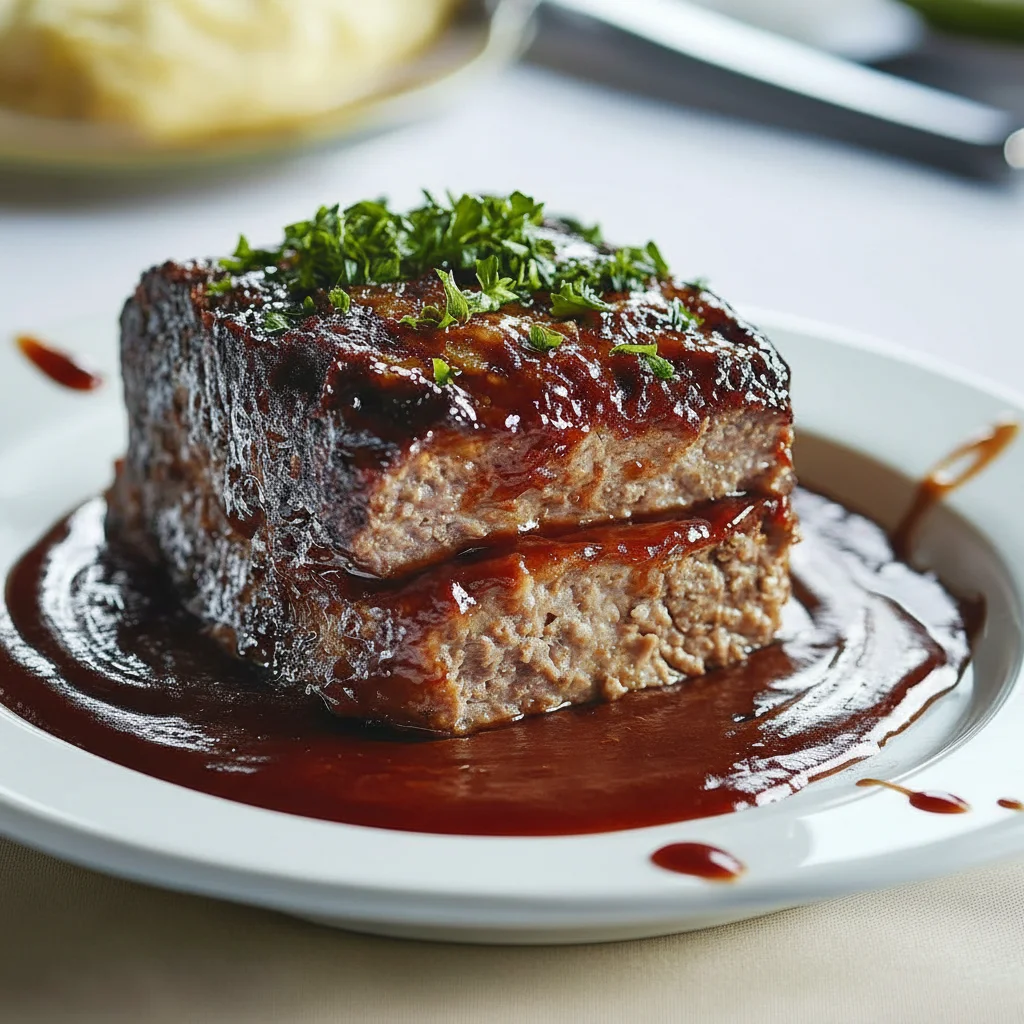
There is something profoundly satisfying about a truly great meatloaf. It’s more than just a simple dinner; it’s a slice of warmth and nostalgia on a plate. For years, I struggled to get this dish just right. My attempts were often dry, sometimes falling apart, never quite hitting that mark of juicy, flavourful perfection I was aiming for. Then I learned a few key techniques, particularly the importance of a ‘panade’ and the magic of a balanced glaze, which completely transformed my results. This classic meatloaf recipe is the culmination of all that trial and error.
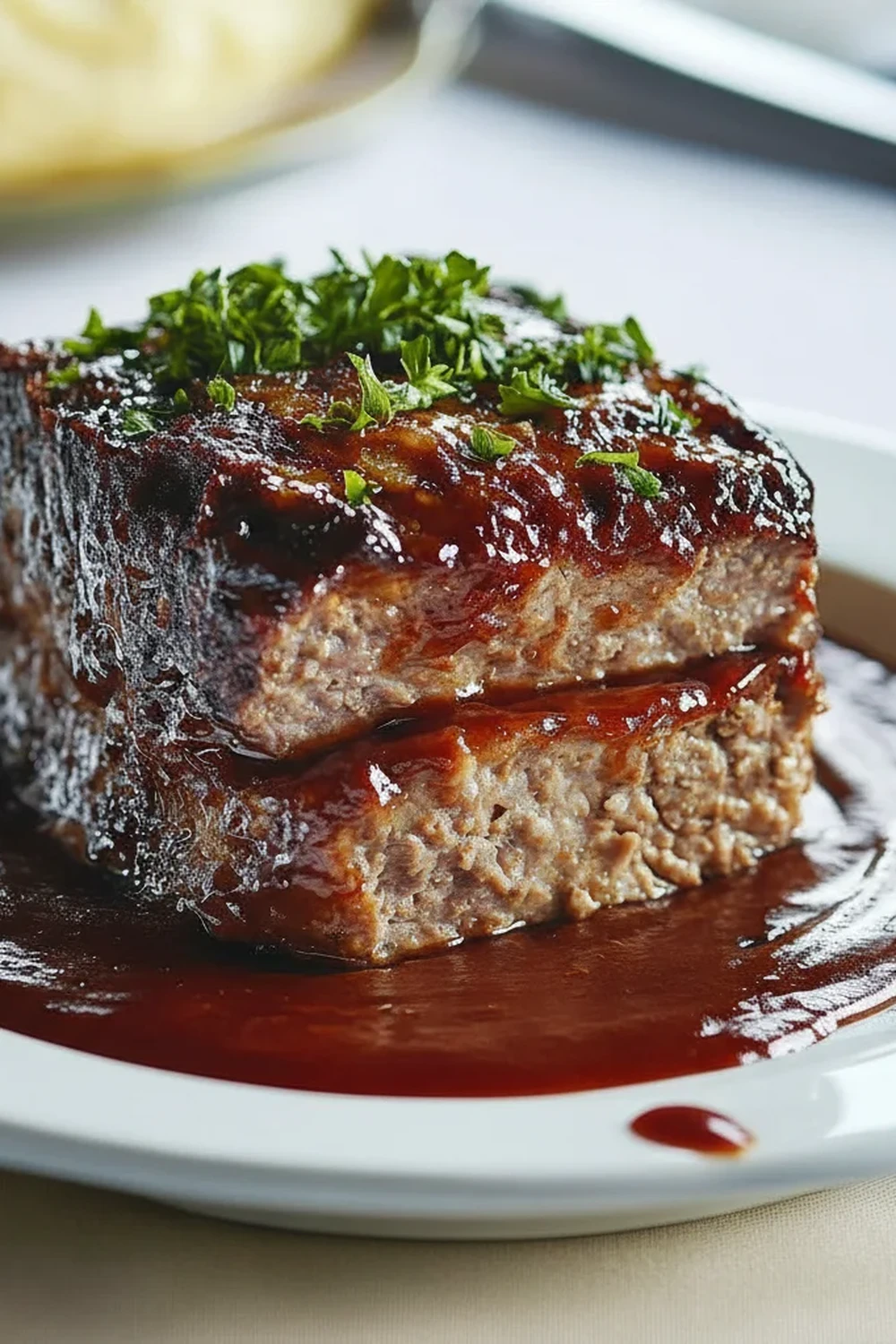
What makes this particular meatloaf so special is the depth of flavour we build from the very beginning. We don’t just mix everything together; we first gently sauté onions, carrots, and garlic to soften them and bring out their natural sweetness. This extra step prevents crunchy bits of raw veg and infuses the entire loaf with a savoury foundation. The glaze isn’t just a simple ketchup topping either; it’s a tangy, sweet, and slightly sharp sauce that caramelises beautifully in the oven, creating a sticky, irresistible crust that contrasts wonderfully with the tender meat inside.
This recipe is ideal for a comforting Sunday dinner when you have a little more time to let the oven do its work. It’s a dish that always gets compliments from family and friends, and the leftovers make for some of the best sandwiches you’ll ever have. If you’re looking for a dependable, flavour-packed meatloaf recipe that delivers every single time, you’ve come to the right place.
Recipe Overview
This classic meatloaf recipe focuses on two key things: moisture and flavour. By using a combination of beef and pork mince, along with a breadcrumb and milk mixture (a panade), we guarantee a tender, juicy result. The flavour is built in layers, from the softened aromatic vegetables to the savoury seasonings and the sweet, tangy glaze that becomes wonderfully sticky as it bakes. I’ve tested this with different mince-to-fat ratios, and a standard 20% fat beef mince combined with pork mince gives the most succulent texture without being greasy.
- Prep Time: 25 minutes
- Cook Time: 1 hour 15 minutes
- Total Time: 1 hour 40 minutes
- Servings: 6-8 people
- Difficulty: Easy
Why You’ll Love This Meatloaf Recipe
- Incredibly Juicy & Flavourful: The combination of pork and beef mince provides a rich taste, while the milk-soaked breadcrumbs ensure every slice is moist and tender. The slow-cooked aromatics add a deep, savoury base note.
- Comes Together Simply: While it bakes for a while, the hands-on preparation is straightforward and takes less than 30 minutes before it heads into the oven.
- A Versatile Recipe: You can easily adapt this to your taste. Add a pinch of chilli flakes for some heat, or swap the thyme for fresh rosemary or sage. It’s a great base for experimentation. If you enjoy versatile beef dishes, you might also like my Savory Beef And Broccoli Stir Fry Recipe for a quicker weeknight meal.
- Wonderful for a Sunday Roast Alternative: This meatloaf feels special enough for a weekend family meal but is much less demanding than a full roast. It fills the kitchen with the most amazing aroma.
- Family Tested: This is one of those dinners my whole family agrees on. Even my niece, who is usually wary of mixed dishes, always clears her plate when I make this. It truly is a recipe that everyone seems to enjoy.
Ingredients You’ll Need
For this classic meatloaf, we’re using simple, readily available ingredients. The key is the quality of the mince. I always opt for a good quality 20% fat beef mince from my local butcher and standard pork mince; the fat is essential for a juicy, flavourful loaf. Don’t be tempted to use extra-lean mince here, as it can lead to a dry result.
- For the Meatloaf:
- 1 tbsp olive oil
- 1 medium onion, finely chopped
- 2 medium carrots, peeled and finely chopped
- 2 cloves garlic, minced
- 100g fresh breadcrumbs (from about 2-3 slices of white bread)
- 120ml whole milk
- 500g beef mince (20% fat content is ideal)
- 250g pork mince
- 1 large free-range egg, lightly beaten
- 2 tbsp Worcestershire sauce
- 1 tbsp fresh thyme leaves (or 1 tsp dried)
- 1 tsp salt
- ½ tsp freshly ground black pepper
- For the Glaze:
- 120g tomato ketchup
- 2 tbsp soft light brown sugar
- 1 tbsp cider vinegar
- 1 tsp English mustard
Elena’s Tip: Making your own fresh breadcrumbs is a game-changer. Simply blitz a few slices of slightly stale bread in a food processor. They have a much better texture than the fine, dry shop-bought variety and do a superior job of soaking up the milk to keep the meatloaf moist.
How to Make This Meatloaf Recipe
The process for this classic meatloaf is methodical but not complicated. By taking the time to cook the vegetables first and allowing the meatloaf to rest after baking, you ensure the best possible flavour and texture. We’ll build the loaf, bake it part-way, then add the glaze to create that perfect sticky crust.
- Sauté the Aromatics: Heat the olive oil in a large frying pan over a medium heat. Add the finely chopped onion and carrots and cook gently for 8-10 minutes, stirring occasionally, until softened and lightly golden. Add the minced garlic and cook for one more minute until fragrant. Remove from the heat and set aside to cool completely.
- Prepare the Panade: While the vegetables are cooling, place the breadcrumbs in a large mixing bowl. Pour over the milk and stir to combine. Let this sit for about 5 minutes to allow the breadcrumbs to fully absorb the liquid. This simple mixture, called a panade, is the secret to a moist meatloaf.
- Combine the Ingredients: To the bowl with the soaked breadcrumbs, add the cooled vegetable mixture, the beef and pork mince, the beaten egg, Worcestershire sauce, thyme, salt, and pepper.
- Mix Gently: Using your hands, mix all the ingredients together until just combined. I find that using my hands is the best way to avoid overworking the mixture. Over-mixing can make the final meatloaf tough and dense, so be gentle.
- Shape the Loaf: Preheat your oven to 180°C (160°C fan). Line a baking tray with parchment paper. Tip the meat mixture onto the prepared tray and shape it into a neat, oblong loaf, roughly 20cm long and 10cm wide.
- First Bake: Place the meatloaf in the preheated oven and bake for 45 minutes.
- Make and Apply the Glaze: While the meatloaf is in the oven, whisk together all the glaze ingredients (ketchup, brown sugar, cider vinegar, and mustard) in a small bowl until smooth.
- Glaze and Finish Baking: After 45 minutes, carefully remove the meatloaf from the oven. Spoon or brush the glaze evenly over the top and sides. Return it to the oven and bake for a further 20-30 minutes, or until the glaze is dark and caramelised and the meatloaf is cooked through. A meat thermometer should read 70°C when inserted into the centre.
- Rest Before Serving: This is a crucial step! Let the meatloaf rest on the baking tray for at least 10 minutes before slicing. This allows the juices to redistribute, ensuring every slice is moist and holds its shape.
Tips From My Kitchen
- Temperature is Key: Use a meat thermometer to guarantee your meatloaf is perfectly cooked. It should reach an internal temperature of 70°C. This takes the guesswork out and prevents both undercooked meat and a dry, overcooked loaf. You can find more specific guidance on cooking mince safely from the Food Standards Agency.
- The Secret Step: Sauté Your Veg: I learned that skipping the step of pre-cooking the onions and carrots is a huge mistake. Raw vegetables release water as they cook inside the loaf, which can make it steam and fall apart. Sautéing them first develops their flavour and ensures a better final texture.
- Make-Ahead Magic: You can assemble the entire meatloaf (without the glaze) a day in advance. Shape it on your parchment-lined tray, cover it tightly with cling film, and refrigerate. Just remember to add about 10-15 minutes to the initial baking time when cooking from cold. The glaze can also be mixed and stored in an airtight container in the fridge.
- Storage and Reheating: Leftover meatloaf is a treasure! Store it in an airtight container in the fridge for up to 4 days. It’s delicious cold in sandwiches or can be reheated. To reheat, place slices in a lightly oiled frying pan over a medium heat for a few minutes per side, or warm through in a moderate oven.
Equipment You’ll Need
- Large frying pan
- Large mixing bowl
- Sharp knife and cutting board
- Baking tray
- Parchment paper
- Small bowl and whisk (for the glaze)
- Meat thermometer (highly recommended)
Common Mistakes to Avoid
- Overworking the Mince: Mixing the meat mixture too vigorously develops the proteins and results in a tough, dense, and springy meatloaf. Mix with a light hand, and only until the ingredients are just combined.
- Using Lean Mince: Fat equals flavour and moisture. Using extra-lean mince is one of the quickest ways to get a dry, crumbly meatloaf. A 20% fat beef mince is ideal for this recipe.
- Skipping the Rest Time: It’s tempting to slice into it straight from the oven, but resting is non-negotiable. It allows the loaf to firm up and the juices to settle back into the meat, so they don’t all run out onto your cutting board. 10 minutes is all it needs.
Delicious Variations to Try
This classic meatloaf recipe is a fantastic starting point. Once you’ve mastered it, feel free to get creative with these delicious variations.
- A Little Heat: For a spicy kick, add 1/2 teaspoon of dried chilli flakes or a finely chopped fresh red chilli to the vegetable mixture when you add the garlic.
- Cheesy Centre: This was inspired by a dish I had at a little restaurant in Italy! Gently press cubes of mozzarella or a strong cheddar into the centre of the loaf before sealing it up for a gloriously melty surprise when you slice into it.
- Alternative Mince: This recipe works beautifully with other types of mince. Try using all beef, or a combination of pork and veal. Turkey or chicken mince also work, but you may want to add an extra tablespoon of olive oil to the mix to compensate for the lower fat content. For another poultry idea, try my Sticky Sweet Teriyaki Chicken Bowls.
What to Serve With This Meatloaf Recipe
A great meatloaf deserves equally great side dishes. Here are a few of my favourite pairings that work beautifully with the rich, savoury flavours of the loaf.
- Creamy Mashed Potatoes: The absolute classic pairing. The fluffy, buttery mash is perfect for soaking up any extra glaze and juices from the meatloaf.
- Garlic Green Beans: Simple steamed or blanched green beans tossed with a little butter and minced garlic provide a fresh, vibrant contrast to the richness of the meat.
- Roasted Root Vegetables: Carrots, parsnips, and swede tossed in olive oil and herbs and roasted until tender and caramelised make for a hearty and flavourful accompaniment.
- Wine Pairing: A medium-bodied red wine like a Merlot or a Crianza from Spain complements the savoury meat and tangy glaze without overpowering it.
Frequently Asked Questions
Meatloaf Recipe
Ingredients
Method
- Sauté the Aromatics: Heat the olive oil in a large frying pan over a medium heat. Add the finely chopped onion and carrots and cook gently for 8-10 minutes, stirring occasionally, until softened and lightly golden. Add the minced garlic and cook for one more minute until fragrant. Remove from the heat and set aside to cool completely.
- Prepare the Panade: While the vegetables are cooling, place the breadcrumbs in a large mixing bowl. Pour over the milk and stir to combine. Let this sit for about 5 minutes to allow the breadcrumbs to fully absorb the liquid. This simple mixture, called a panade, is the secret to a moist meatloaf.
- Combine the Ingredients: To the bowl with the soaked breadcrumbs, add the cooled vegetable mixture, the beef and pork mince, the beaten egg, Worcestershire sauce, thyme, salt, and pepper.
- Mix Gently: Using your hands, mix all the ingredients together until just combined. I find that using my hands is the best way to avoid overworking the mixture. Over-mixing can make the final meatloaf tough and dense, so be gentle.
- Shape the Loaf: Preheat your oven to 180°C (160°C fan). Line a baking tray with parchment paper. Tip the meat mixture onto the prepared tray and shape it into a neat, oblong loaf, roughly 20cm long and 10cm wide.
- First Bake: Place the meatloaf in the preheated oven and bake for 45 minutes.
- Make and Apply the Glaze: While the meatloaf is in the oven, whisk together all the glaze ingredients (ketchup, brown sugar, cider vinegar, and mustard) in a small bowl until smooth.
- Glaze and Finish Baking: After 45 minutes, carefully remove the meatloaf from the oven. Spoon or brush the glaze evenly over the top and sides. Return it to the oven and bake for a further 20-30 minutes, or until the glaze is dark and caramelised and the meatloaf is cooked through. A meat thermometer should read 70°C when inserted into the centre.
- Rest Before Serving: This is a crucial step! Let the meatloaf rest on the baking tray for at least 10 minutes before slicing. This allows the juices to redistribute, ensuring every slice is moist and holds its shape.
Notes
I hope you and your family enjoy this classic meatloaf recipe as much as we do in my home. It’s a dependable and deeply satisfying dish that proves simple ingredients, treated with a little care, can create something truly special. If you try it, please let me know how it turned out in the comments below – I love hearing from you! Happy cooking, Elena.